Nice, France Joins European Cities in Movement to Ban Large Cruise Ships
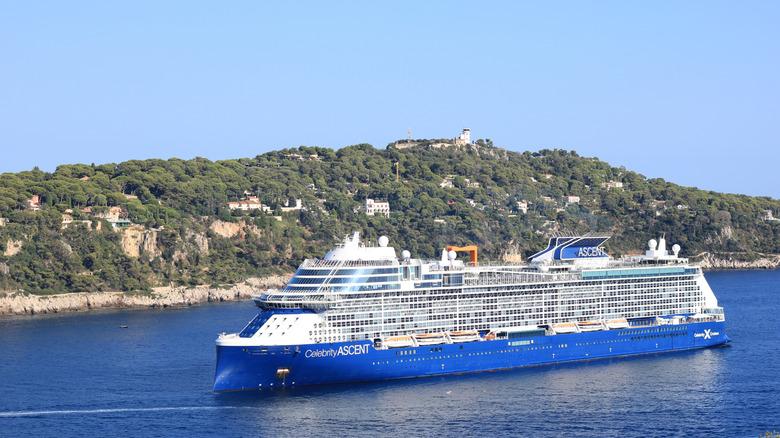
In a significant shift towards sustainable tourism, Nice, France, has become the latest city to join a growing list of European destinations taking a stand against large cruise ships. Amidst rising concerns over environmental degradation and the impact of mass tourism on local communities, city officials are pushing for regulatory measures aimed at limiting the size and number of cruise vessels allowed to dock in the picturesque port city. This initiative reflects a broader trend across Europe, where cities like Venice and Barcelona are already grappling with the challenges posed by an influx of cruise passengers. As Nice embarks on this critical journey towards protecting its natural beauty and cultural heritage, the implications of such a ban may resonate far beyond its sun-kissed shores.
Nice’s Decision to Limit Cruise Ship Traffic and Its Implications
In a significant move to preserve its cultural heritage and mitigate environmental impacts, Nice has decided to limit the influx of large cruise ships. This decision aligns the city with a growing trend among European destinations striving to reclaim their urban landscapes and protect their local ecosystems. Key reasons behind this initiative include:
- Environmental Concerns: Large vessels contribute to air and water pollution, affecting marine life and local health.
- Overtourism Management: Reducing the number of cruise visitors can alleviate congestion in popular tourist spots, enhancing visitor experiences.
- Cultural Preservation: Protecting the city’s unique charm and historical sites from the overwhelming foot traffic generated by cruise tourism.
The implications of this policy are multi-faceted. Economically, while the tourism industry may initially face challenges, a shift towards more sustainable practices could attract a different caliber of travelers who value authentic experiences. Furthermore, a reduction in cruise tourists might encourage visitors to explore the region more deeply, potentially benefiting local businesses. To demonstrate the potential economic impact, the following table outlines comparative revenue estimates from cruise versus non-cruise visitors:
| Visitor Type | Average Spending per Day |
|---|---|
| Cruise Passengers | €50 |
| Independent Travelers | €150 |
As Nice embarks on this crucial policy reform, it sets a precedent for other cities grappling with similar challenges, potentially reshaping the future of cruise tourism in Europe and beyond.
Environmental Concerns Driving the Movement Against Large Cruise Vessels
The growing apprehension surrounding the environmental impact of large cruise vessels is prompting cities like Nice, France, to reevaluate their policies on these floating behemoths. The sheer size of modern cruise ships translates into significant ecological footprints, from fuel consumption to waste generation. Local governments are initiating discussions to tackle issues such as:
- Air Pollution: Emissions from these ships contribute to poor air quality, adversely affecting public health.
- Marine Ecosystems: The discharge of waste and toxins poses a severe threat to marine biodiversity and local fishing industries.
- Overtourism: The influx of thousands of visitors can strain city resources, infrastructure, and cultural sites.
As cities across Europe band together to confront these challenges, they are exploring alternative tourism models that align with sustainability goals. Notably, local governments are examining strategies to limit the number of large cruise ships during peak tourist seasons while encouraging smaller, eco-friendly vessels. A preliminary table below outlines the efforts of several cities taking a stand against large cruise ships:
| City | Proposed Regulations | Status |
|---|---|---|
| Nice | Ban on large cruise ships in historic port | Pending Approval |
| Venice | Limit size and number of cruise ships | Implemented |
| Barcelona | Restrict cruises to specific days | Discussion Phase |
Economic Considerations for Local Businesses Amid the Cruise Ship Ban
The recent ban on large cruise ships in Nice, France, represents a significant shift in local economic dynamics. While many local businesses may initially fear a drop in tourist revenue, the reality is more nuanced. The cruise industry often attracts a large volume of tourists who spend relatively little compared to those who stay longer in the area. With fewer cruise visitors, businesses may have a chance to cultivate a more sustainable, high-value tourist market. This shift can facilitate a focus on quality experiences that engage visitors in a deeper manner, encouraging longer stays and boosting revenues in local accommodations, restaurants, and shops.
Moreover, this decision opens avenues for different forms of tourism that may prove beneficial in the long run. Alternatives such as eco-tourism and cultural travel can be promoted, emphasizing Nice’s rich heritage and natural beauty. Local businesses can capitalize on this transition by:
- Offering specialized tours showcasing local artisan crafts and culinary delights.
- Creating packages for longer stays that include experiences unique to the region.
- Engaging with local producers to highlight the importance of supporting the community.
In light of these changes, it is crucial for businesses to adapt and innovate. As the city redefines its tourism offering, sustained investments in marketing and community collaboration will be essential in capturing the attention of new visitor demographics.
| Impact Area | Potential Changes |
|---|---|
| Tourist Spending | Shift to longer stays with higher spending potential |
| Business Opportunities | More focus on local experiences and partnerships |
| Employment | Creation of jobs in newly emerging tourism sectors |
Recommendations for Sustainable Tourism in Coastal Cities
As coastal cities continue to grapple with the environmental and infrastructural impacts of mass tourism, prioritizing sustainable practices has become essential. Efforts to ban large cruise ships, as seen in Nice, illustrate a growing commitment toward preserving fragile ecosystems. Sustainable tourism strategies should include:
- Implementing strict visitor limits: By capping the number of visitors allowed in sensitive areas, cities can reduce wear and tear on natural resources.
- Promoting local businesses: Encouraging tourists to shop and dine locally bolsters the economy while minimizing carbon footprints associated with imported goods.
- Investing in public transportation: Enhancing public transit options reduces vehicular congestion and emissions, making it easier for travelers to explore responsibly.
- Creating awareness campaigns: Educational initiatives that inform visitors about local ecosystems and cultural heritage foster respect and appreciation among tourists.
Moreover, collaboration among neighboring coastal cities can lead to broader initiatives that pool resources for sustainability. A proposed framework includes establishing a regional task force that focuses on monitoring the ecological footprint of tourism while facilitating inter-city partnerships. Key components of this framework might include:
| Component | Description |
|---|---|
| Research and Data Sharing | Collecting and sharing data on tourist behaviors and environmental impacts helps inform policies. |
| Joint Marketing Initiatives | Promoting a unified eco-tourism brand across multiple cities can attract responsible travelers. |
| Resource Allocation | Pooling financial resources for sustainability projects maximizes impact. |
Concluding Remarks
In conclusion, Nice, France’s decision to join the growing movement among European cities to ban large cruise ships marks a significant step in the ongoing dialogue about sustainable tourism. As environmental concerns mount and calls for responsible travel intensify, this initiative reflects a broader awareness of the impact that mass tourism can have on local communities and ecosystems. By prioritizing the well-being of its citizens and the integrity of its cherished landscapes, Nice not only sets a precedent for its peers but also invites stakeholders across the tourism sector to rethink their approaches. As the debate continues, the city’s actions may inspire a new blueprint for sustainable tourism practices, aiming to preserve the unique character of beloved destinations while balancing the economic benefits of tourism. The future of travel may depend on such collaborations, highlighting the crucial need for balance between industry and environment.