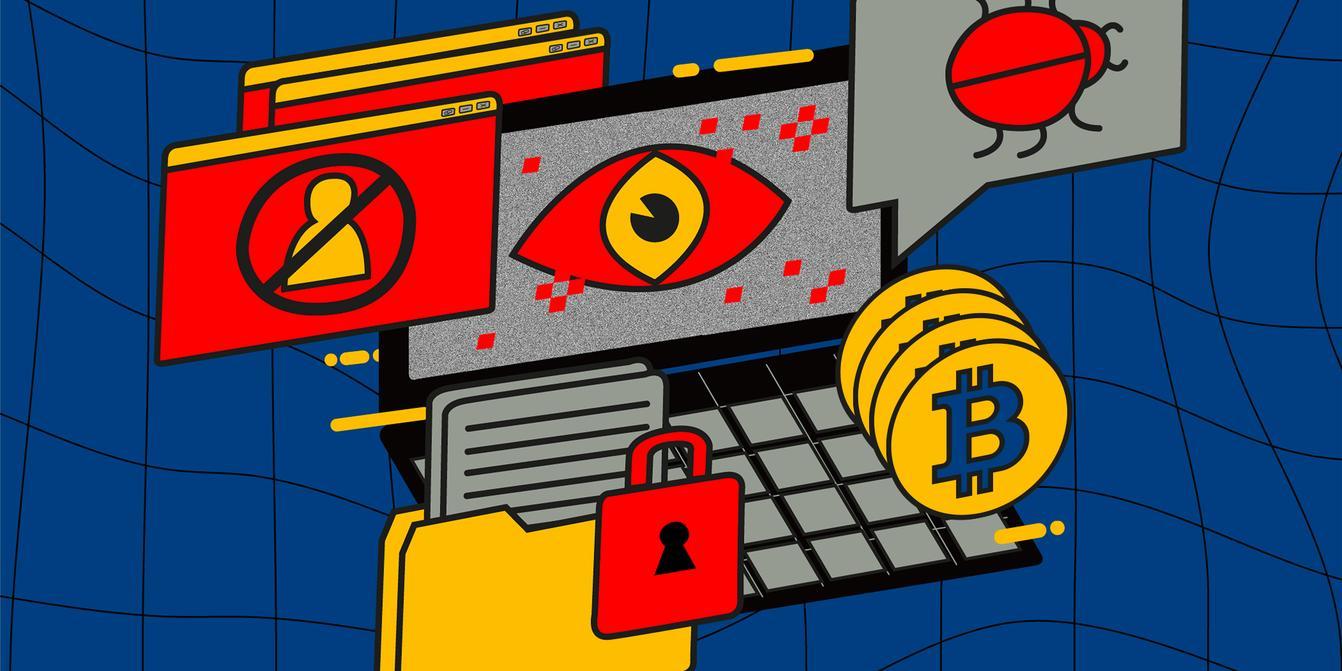
Dark Bank, the shadowy financier at the heart of Europe’s most audacious money laundering scandal, has fallen. Allegedly instrumental in laundering over €1 billion worth of illicit funds, this organized crime ‘banker’ operated under the radar, facilitating the flow of dirty money for some of the continent’s most dangerous criminal networks. As authorities close in, the unprecedented investigation unravels a complex web of deception, shedding light on how Dark Bank managed to evade detection for years. This article delves into the dramatic downfall of a figure who symbolized the dark nexus between finance and crime, exposing vulnerabilities in the financial system that allowed such a criminal enterprise to thrive.
Dark Bank’s Role in Massive Money Laundering Networks Exposed
The investigation has revealed that Dark Bank, the shadowy financial institution operating across multiple jurisdictions, played a pivotal role in concealing illicit funds estimated to surpass €1 billion. The organization stood as the financial backbone of a sprawling network that facilitated the movement and integration of dirty money sourced from drug trafficking, cybercrime, and corruption. Authorities uncovered sophisticated methods employed by Dark Bank to obscure transactional trails, including layering strategies and the use of shell companies across Europe and Asia.
Key findings from the probe highlight:
- Complex money flows routed through over 200 offshore accounts in tax havens.
- Collaboration with organized crime clans to convert illegal proceeds into legitimate assets.
- Use of cryptocurrencies to further mask the origin of the funds.
| Operation | Value (€ million) | Region |
|---|---|---|
| Layering Transactions | 450 | Europe & Asia |
| Cryptocurrency Exchanges | 300 | Global |
| Shell Company Transfers | 260 | Offshore Havens |
Investigative Efforts Leading to the Collapse of a Criminal Financial Empire
Authorities, in a concerted international effort, meticulously uncovered the operations behind the Dark Bank, unraveling a complex web of financial transactions that stretched across multiple continents. Utilizing cutting-edge forensic accounting tools and cross-border intelligence sharing, investigators traced the movement of illicit funds through shell companies, anonymous accounts, and sophisticated money laundering schemes. Key breakthroughs came from analyzing encrypted communications and financial ledgers, which revealed the active roles played by intermediaries linked directly to the crime syndicate. These efforts culminated in a series of targeted raids and arrests coordinated between European, American, and Asian agencies.
The comprehensive investigation not only exposed the scale of the crime but also provided insights into the methodologies employed by the perpetrators. Among the most significant findings were:
- Use of layered transactions: Masking origins through multiple financial fronts
- Exploitation of offshore jurisdictions: Leveraging regulatory gaps for illicit gains
- Integration with legitimate businesses: Blurring lines between lawful and unlawful operations
- Technological infrastructure: Adoption of encrypted communications and blockchain obfuscation techniques
| Phase | Key Actions | Outcome |
|---|---|---|
| Intelligence Gathering | Surveillance and Data Analysis | Identified core players and transaction patterns |
| Evidence Collection | Seizure of Assets and Records | Secured proof for legal action |
| Cross-border Cooperation | Joint Operations with International Agencies | Coordinated arrests and sanctions |
Impact on European Financial Security and Regulatory Oversight
The collapse of Dark Bank marks a significant turning point for financial security across Europe. The institution, which operated under the guise of legitimacy, facilitated complex money laundering networks tied to organized crime with a staggering impact exceeding €1 billion. This breach has exposed vulnerabilities within Europe’s financial infrastructure, prompting urgent calls for enhanced due diligence and real-time transaction monitoring across national borders. The revelation punctuates the ease with which criminal enterprises can exploit gaps in regulatory frameworks to infiltrate legitimate banking channels.
In response, regulatory bodies across the European Union are accelerating reforms to tighten oversight. Measures under consideration include:
- Harmonization of AML (Anti-Money Laundering) standards to reduce regulatory arbitrage opportunities.
- Expansion of cross-border data sharing among financial intelligence units to detect suspicious activities more efficiently.
- Stricter audit and compliance protocols for banks with complex ownership structures.
These efforts are designed to enhance transparency and limit the operational scope of illicit financial networks, signaling a proactive shift aimed at safeguarding Europe’s economic integrity.
| Aspect | Pre-Dark Bank | Post-Dark Bank Reforms |
|---|---|---|
| AML Enforcement | Fragmented across member states | Standardized EU-wide protocols |
| Cross-Border Cooperation | Limited and slow | Real-time intelligence sharing |
| Banking Licenses | Lenient screening | Enhanced background verification |
Measures and Recommendations to Prevent Future Financial Crime Schemes
To effectively combat the rise of sophisticated financial crime networks akin to the infamous Dark Bank, regulatory bodies and financial institutions must enforce stringent transparency protocols. This includes enhancing Know Your Customer (KYC) and Anti-Money Laundering (AML) procedures with cutting-edge technology such as AI-driven transaction monitoring and blockchain verification systems. Moreover, fostering international cooperation through information sharing platforms can bridge gaps exploited by cross-border money laundering schemes, ensuring that illicit activities are detected and halted promptly before escalating.
Equally critical is the cultivation of a culture of accountability and whistleblower protection within the financial sector. Encouraging employees to report suspicious behavior without fear of retaliation can dismantle internal collusion that often underpins these criminal networks. Furthermore, investments in continuous training programs for compliance officers and law enforcement will sharpen their aptitude in identifying emerging money laundering trends, empowering a proactive defense against future financial crime attempts.
Final Thoughts
The collapse of Dark Bank marks a significant moment in the ongoing battle against financial crime and money laundering. Allegedly facilitating the movement of over €1 billion for organized crime networks, the entity’s downfall highlights both the complexities and the stakes involved in dismantling illicit financial operations. As investigations continue, authorities hope this case will serve as a powerful deterrent and underscore the critical importance of international cooperation in tracking and prosecuting economic crime.