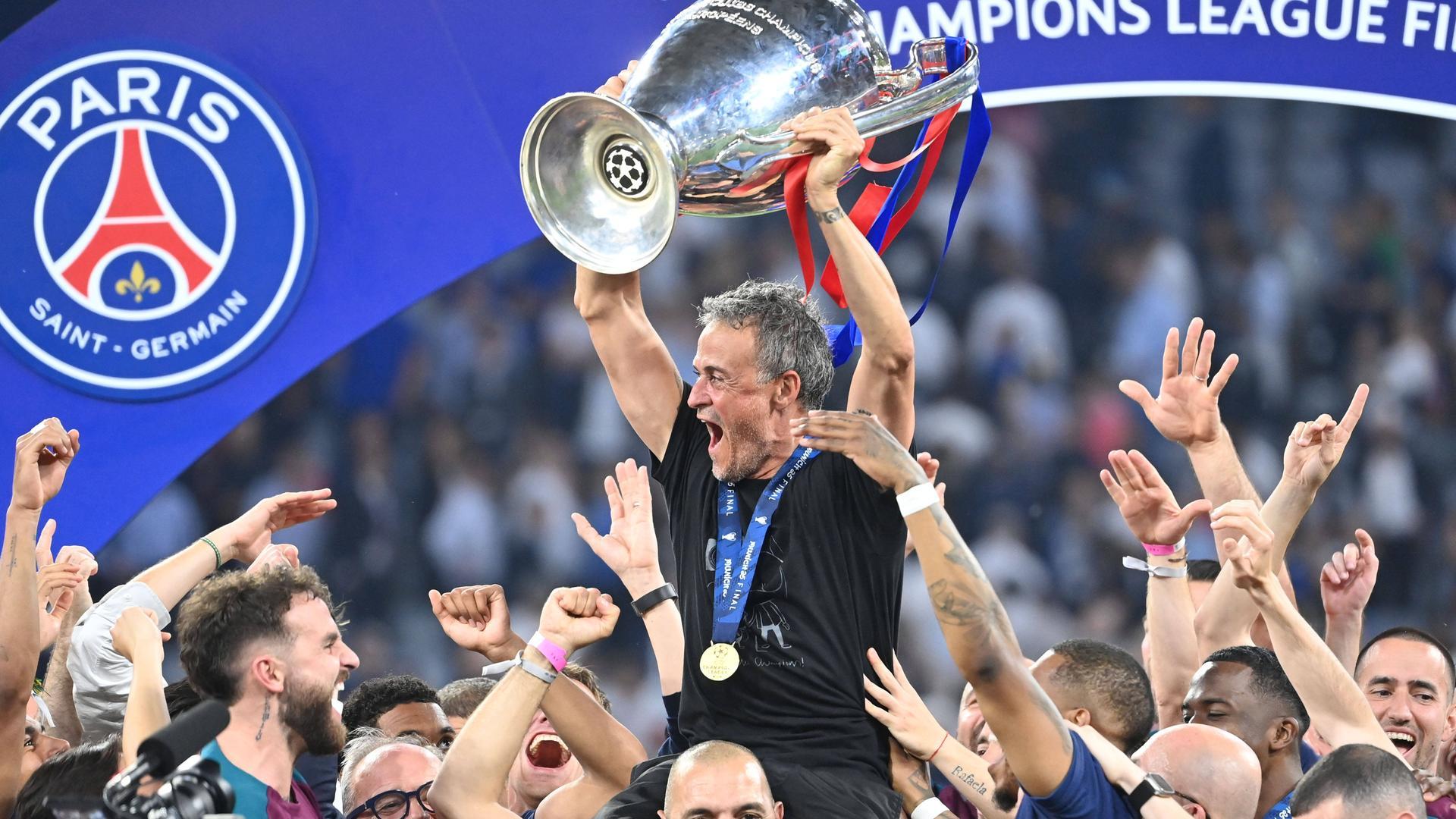
At least two individuals have died and hundreds more have been arrested across France following celebrations that erupted after Paris Saint-Germain’s recent triumph in the UEFA Champions League. What began as widespread jubilation quickly escalated into chaos, as reports of violence and disorder surfaced from various cities. Authorities are now confronting the aftermath of a night that showcased not only the passion of football fans but also the challenges of managing large-scale celebrations. This incident serves as a sobering reminder of the fine line between celebration and turmoil in the world of sports.
Violence Erupts Amid Celebrations in Paris Following Historic UEFA Victory
In a shocking turn of events following Paris Saint-Germain’s historic UEFA Champions League triumph, celebrations devolved into chaos late Saturday evening. What began as jubilant fan gatherings quickly escalated into violent clashes with law enforcement across key locations in Paris, leading to two fatalities and hundreds of arrests. The riots were marked by rampant vandalism, street skirmishes, and a complete breakdown of order as fans expressed both their elation and frustration in a display that was far from festive.
The French authorities rapidly responded with increased security measures, deploying riot police to control the unrest. A series of incidents were reported, including the following:
- Destruction of property in popular fan zones.
- Confrontations between rival groups of fans.
- Use of tear gas by police to disperse crowds.
As the night wore on, the impact of the celebration-turned-riot left the city rattled, raising questions about crowd control and public safety during large sports events. Officials are now reviewing the events leading up to the disturbances to prevent future occurrences.
Police Response and Arrest Tactics Under Scrutiny in Wake of Riots
The aftermath of the riots following Paris Saint-Germain’s recent Champions League victory has sparked a fierce debate on law enforcement’s strategies and effectiveness during civil unrest. Eyewitness accounts reveal a chaotic scene, where police dressed in riot gear confronted jubilant fans quickly turned violent. Critics have raised concerns over the use of heavy-handed tactics, which allegedly included indiscriminate crowd dispersal and excessive force against individuals merely expressing their exuberance. Protests over police actions have emerged, with some calling for a re-evaluation of methods employed during these high-tension situations.
Arrests soared into the hundreds as law enforcement scrambled to regain control. A closer examination of the police response strategies has revealed several key issues:
- Lack of Communication: Officers were reported to have difficulty coordinating their efforts amid the chaos.
- Escalation of Tension: The visible military presence may have contributed to heightened emotions and further violence.
- Public Relations Missteps: The police’s narrative has been criticized for lacking transparency, leaving the public skeptical of intentions and accountability.
| Incident | Location | Response Type |
|---|---|---|
| Firework Launch | Champs-Élysées | Police Charge |
| Looting | Local Shops | Arrests Made |
| Vandalism | Parks and Public Areas | Crowd Control |
Examining the Social and Cultural Impact of Sports Celebrations
The recent celebration following Paris Saint-Germain’s Champions League victory serves as a stark reminder of the dual nature of sports fandom. While the triumph brought joy and a sense of unity to thousands of supporters, it also led to significant unrest. As crowds gathered to commemorate the win, escalated enthusiasm resulted in tragic outcomes, including two fatalities and numerous arrests. This unsettling juxtaposition illustrates how celebrations, intended to foster community spirit, can sometimes spiral into chaos driven by both emotional exuberance and pre-existing social tensions.
In examining the broader implications of such events, it’s essential to consider the following factors that contribute to the cultural narrative surrounding sports celebrations:
- Community Identity: Sports victories often forge strong communal bonds, with successful teams acting as symbols of local pride.
- Cultural Expression: Celebrations provide a platform for diverse social expressions, merging tradition with contemporary celebration styles.
- Public Safety Issues: The aftermath of celebrations can highlight significant public order challenges, pressing local authorities to reassess safety measures.
- Media Influence: Coverage of both joyous moments and incidents of violence can shape public perception of sports culture.
| Impact Aspect | Positive Effects | Negative Effects |
|---|---|---|
| Community Cohesion | Strengthened local bonds | Potential for conflict |
| Cultural Display | Joyful expression | Excessive behavior |
| Law Enforcement | Preparedness | Resource strain |
Recommendations for Future Event Management and Public Safety Strategies
In light of recent events surrounding the chaotic celebrations following Paris Saint-Germain’s Champions League victory, it is imperative for event management authorities to consider enhanced strategies to ensure public safety. Comprehensive risk assessments should be standard practice, incorporating crowd dynamics, high-profile athlete involvement, and potential triggers for unrest. Collaboration between law enforcement, local governments, and event organizers can create a well-rounded approach to managing large crowds. The deployment of technology, such as real-time monitoring systems and drone surveillance, may help in identifying and mitigating potential disturbances before they escalate.
Additionally, community engagement plays a crucial role in fostering a safe environment during public celebrations. Initiatives such as public awareness campaigns can inform attendees of appropriate conduct and the implications of disruptive behavior. Establishing clearly defined escape routes and ensuring adequate medical and security personnel are present can greatly minimize risks. A post-event analysis is also recommended to evaluate the effectiveness of these strategies, allowing for continuous improvement in safeguarding public order during future large-scale events. Below is a summary of actionable recommendations:
| Strategy | Description |
|---|---|
| Risk Assessments | Analyze potential risks associated with crowd gatherings. |
| Technology Utilization | Implement tools for real-time crowd monitoring. |
| Community Engagement | Educate the public on expected behavior and safety measures. |
| Post-Event Analysis | Review incidents to improve future strategies. |
The Way Forward
As the dust settles in the aftermath of Paris Saint-Germain’s Champions League triumph, the celebrations have taken a tragic turn, with two lives lost and hundreds arrested amid widespread unrest. Authorities are now faced with the challenge of ensuring public safety while addressing the fervent emotions of supporters. This incident serves as a stark reminder of the often volatile intersection between sports and society. As PSG revels in their historic victory, the focus will now shift to how city officials manage the fallout and prevent similar occurrences in the future. As investigations continue, the world watches closely, reflecting on the implications of a moment that was meant to celebrate triumph but instead led to chaos.