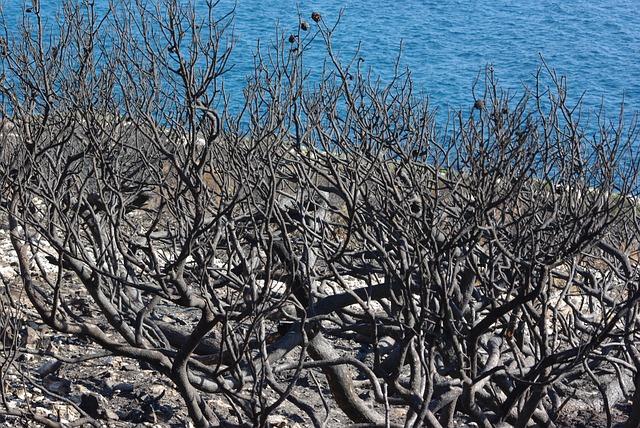
As Europe grapples with an intense heatwave and a series of devastating wildfires, authorities have begun the process of reintroducing thousands of evacuees to their homes in France. After days of emergency measures and widespread evacuations, the government’s decision marks a cautious return to normalcy for communities affected by the flames that have ravaged vast swaths of land. Despite the lifting of evacuation orders, the threat of fires persists, underscoring the ongoing challenges posed by climate change and extreme weather patterns in the region. As France and its neighbors continue to combat the effects of this unprecedented heatwave, the focus now shifts to recovery efforts and strategies for future prevention.
Return of Evacuated Residents as France Copes with Ongoing Wildfires
As France grapples with the aftermath of devastating wildfires exacerbated by a relentless heatwave, thousands of residents displaced from their homes are finally receiving the green light to return. Emergency services have worked tirelessly to contain the flames, which have ravaged vast areas, disrupting lives and threatening local ecosystems. Many communities, previously under evacuation orders, are now cautiously reopening, but the impacts of the disaster continue to loom large.
Authorities have implemented extensive safety measures to ensure the safe return of residents. As evacuees make their way home, they encounter a landscape altered by fire, yet community resilience is shining through. The government has pledged support in the form of recovery help, including financial aid and resources for rebuilding infrastructure. Alongside the returnees, local volunteers are mobilizing to assist those in need, fostering a sense of solidarity in the face of adversity. The commitment to recovery is evident with organized efforts such as:
- Distribution of essential supplies
- Support hotlines for mental health
- Community meetings to discuss recovery plans
| Region | Status | Estimated Return Date |
|---|---|---|
| Var | Safe for Return | Ongoing |
| Bouches-du-Rhône | Evacuated | Late Next Week |
| Gard | Controlled | Already Returned |
Impact of Extreme Heatwave on Regional Climate and Public Health
The recent surge in extreme heatwaves across Europe, particularly in France, has raised significant alarm among climate scientists and public health officials. As millions cope with soaring temperatures, the consequences extend beyond mere discomfort. Communities are experiencing:
- Increased Heat-Related Illnesses: Hospitals report a dramatic rise in cases of heat exhaustion and heat stroke, especially among vulnerable populations such as the elderly.
- Strain on Healthcare Systems: With emergency rooms overwhelmed, resources are becoming scarce, reducing the capacity to respond to other medical emergencies.
- Worsening Air Quality: The heat intensifies pollution levels, exacerbating respiratory issues and increasing hospital admissions for asthma and other lung diseases.
Authorities are racing to implement public health interventions aimed at mitigating these impacts, yet they face challenges in rapidly changing environments. A recent study highlights the correlation between heatwaves and mortality, revealing alarming data that emphasizes urgent action:
| Year | Heatwave Duration (Days) | Estimated Mortality Increase (%) |
|---|---|---|
| 2021 | 10 | 15 |
| 2022 | 12 | 20 |
| 2023 | 14 | 25 |
Efforts to strengthen community resilience through education, access to cooling centers, and proactive health measures are imperative. As climate patterns continue to shift, the need for sustainable and adaptive strategies grows ever more critical in safeguarding public health.
Emergency Response Strategies Amid Escalating Wildfire Threats
As wildfires rage across Europe, particularly in France, local authorities are navigating the delicate balance between safety and community resilience. Effective emergency response strategies are essential for minimizing risk, and many regions are implementing coordinated action plans. Authorities are focusing on several key elements to manage the crisis effectively:
- Evacuation Procedures: In areas prone to rapid fire spread, pre-planned evacuation routes are established, ensuring residents can exit safely.
- Community Alerts: Real-time updates through text messages and local media are crucial to keeping citizens informed of changing conditions.
- Firebreaks and Controlled Burns: Strategic land management practices, such as creating firebreaks and conducting controlled burns, aim to reduce fuel loads and slow the spread of wildfires.
In conjunction with these measures, regional governments are enhancing support services for affected communities. This involves the deployment of emergency responders, mental health services, and logistical support for displaced individuals. Here is a brief overview of some strategies being employed:
| Strategy | Description |
|---|---|
| Public Awareness Campaigns | Educating residents on fire safety and preparedness. |
| Resource Allocation | Deploying firefighting equipment to high-risk areas. |
| Collaboration with NGOs | Partnering with organizations to provide emergency supplies. |
Long-Term Solutions for Fire Prevention and Climate Resilience in Europe
As Europe grapples with the escalating threats of wildfires and heatwaves, the need for sustainable and long-term strategies for fire prevention and climate resilience has never been more urgent. Experts call for a multi-faceted approach that includes both environmental management and community engagement. Key initiatives can include:
- Reforestation and Afforestation: Planting trees to restore ecosystems can significantly reduce fire risks.
- Controlled Burns: Implementing regulated burning practices can help manage underbrush and decrease fire intensity.
- Infrastructure Improvement: Upgrading urban planning to create firebreaks and improve emergency access routes is essential.
- Public Awareness Campaigns: Educating citizens on fire safety and climate impact fosters community resilience.
Additionally, collaboration between governments, NGOs, and local communities is vital to develop tailored strategies that fit regional needs. Investment in technology, such as satellite imagery for wildfire monitoring and AI for predictive analytics, can help in making data-driven decisions. The following table highlights recent actions taken by different European countries to bolster their fire prevention efforts:
| Country | Action Taken | Projected Impact |
|---|---|---|
| France | Increased funding for fire services | Improved response time |
| Spain | Community training programs | Enhanced local preparedness |
| Italy | New legislation on land use | Reduced building in high-risk areas |
Final Thoughts
As communities in France begin to return home following the recent wildfires, the situation reflects not only the resilience of the affected regions but also the ongoing challenges posed by climate change across Europe. While thousands have been allowed to return to their neighborhoods, the scars left by the flames serve as a stark reminder of the urgent need for comprehensive strategies to address such environmental crises. Officials are now focusing on recovery efforts and prevention measures to mitigate future incidents. As Europe grapples with extreme weather events, the lessons learned from this crisis may prove vital in preparing for the uncertainties ahead. Continued vigilance and coordinated action will be essential in safeguarding both people and the environment in the face of an increasingly volatile climate.