Introduction:
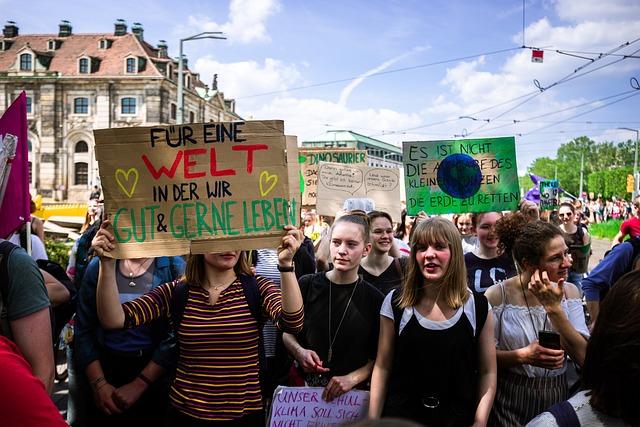
In a continuing wave of unrest, France sees over 6,800 individuals detained amid widespread protests over school policies and educational reforms. As demonstrators take to the streets, expressing their frustration and demands for change, the situation remains tense with no resolution in sight. The protests, initially sparked by concerns over educational equity and funding, have escalated into a significant national movement. Authorities are grappling with the logistics of maintaining public order while addressing the underlying issues that have ignited these demonstrations. As the nation watches closely, the dialogue around education, governance, and civil rights intensifies, raising questions about the future of France’s educational landscape.
Government Response to Continued Unrest in French Schools
The French government is under increasing pressure to address the ongoing protests within its educational system, with a significant number of detentions reported amid rising tensions. Authorities have stated that public safety is a primary concern, emphasizing a need for quick and decisive action. Key measures include the deployment of additional police forces in areas surrounding schools and the implementation of strict penalties for those engaging in violent demonstrations. The widespread unrest is not only disrupting classes but also affecting local communities, leading to calls for dialogue between officials, educators, and student representatives.
In an effort to tackle the root causes of discontent, officials are convening a series of emergency meetings aimed at exploring potential reforms within the school system. These discussions are expected to cover a range of topics including funding for educational resources, teacher salaries, and mental health services for students. The government has also promised to revise existing policies that may contribute to the unrest. Below is a table summarizing the current government initiatives in response to the protests:
| Initiative | Description | Status |
|---|---|---|
| Increased Police Presence | Deployment around schools to ensure safety | Ongoing |
| Public Dialogues | Meetings with educators and student leaders | Scheduled |
| Policy Revisions | Review of education funding and support services | Proposed |
Impact of Protests on Students and Educational Institutions
The ongoing protests in France, centered around issues within the educational sector, are reshaping the landscape for both students and educational institutions. With over 6,800 individuals detained since the unrest began, the repercussions are profound. Students are experiencing heightened anxiety, disruption of their academic schedules, and uncertainty regarding the stability of their educational environments. These protests are not merely events; they are evolving into a fundamental dialogue about the future of education in France, forcing institutions to reconsider their policies and engagement with both students and parents.
The implications of these demonstrations extend beyond immediate disruptions. Schools and universities face significant psychosocial challenges as they navigate the impact on their communities. Educational leaders are urged to foster open dialogue and engage directly with students to address their grievances. Key areas of concern include:
- Curriculum Relevance: A demand for curricula that reflects contemporary societal needs.
- Resource Allocation: Calls for equitable distribution of resources among institutions, especially in underfunded areas.
- Mental Health Support: Increased focus on providing mental health resources, as many students process the emotional toll of ongoing protests.
To provide a clearer picture of the current situation, the table below outlines the recent statistics related to the protests and the responses from educational institutions:
| Statistic | Value |
|---|---|
| Total Detained | 6,800 |
| Days of Protests | 30 |
| Schools Closed | 150 |
| Students Affected | 100,000+ |
Recommendations for Addressing Grievances and Restoring Stability
In the face of ongoing protests affecting educational institutions across France, it is paramount for stakeholders—including government officials, educational authorities, and community leaders—to engage in constructive dialogue. Transparent communication can help restore trust and prevent misunderstandings. Strategies may include:
- Establishing a dedicated grievance hotline for students and parents to voice concerns.
- Facilitating community forums to share experiences and suggestions for improvement.
- Involving third-party mediators to ensure unbiased resolutions and foster collaboration.
Beyond immediate dialogue, long-term solutions must focus on systemic change. Governing bodies should consider implementing policies aimed at addressing the root causes of discontent within the educational system. A proposed framework could consist of:
| Action Item | Description |
|---|---|
| Curriculum Review | Evaluate and update the curriculum to better reflect diverse perspectives and modern societal needs. |
| Mental Health Support | Invest in mental health resources for students to help them cope with academic and social pressures. |
| Funding Allocation | Reassess budget priorities to ensure equitable funding for under-resourced schools. |
International Reactions and Their Implications for French Policy
As the protests in France continue unabated, international observers have expressed a mix of concern and solidarity, prompting discussions about the potential implications for French policy. Countries across Europe, particularly those with ongoing youth activism issues, have closely monitored the situation, often reflecting on their own pathways to stabilizing unrest. Notably, Germany and Spain have echoed calls for dialogue and compromise, urging the French government to engage with student leaders instead of resorting to heavy-handed measures. This sentiment has been reflected in various diplomatic channels, highlighting the potential for coordinated strategies among European nations to address educational reform and youth engagement.
In contrast, nations less sympathetic to France’s approach have seized on the chaos to critique both domestic and international policies. Russia and China have openly condemned the French government’s reaction to the protests, framing it as an example of Western hypocrisy regarding human rights and freedoms. The fallout could compel French policymakers to recalibrate their stance, aiming to mitigate external pressure while appeasing domestic dissent, which may include reassessing funding for educational programs and increasing dialogue with student unions. The implications of these international reactions thus necessitate a careful navigation of both domestic priorities and global perceptions.
| Country | Reaction |
|---|---|
| Germany | Calls for dialogue and compromise |
| Spain | Emphasized youth engagement strategies |
| Russia | Criticism of human rights practices |
| China | Condemnation of Western hypocrisy |
The Way Forward
As protests in France continue to escalate, with over 6,800 individuals detained since their inception, the resilience of demonstrators highlights a growing discontent with current policies and governance. As calls for reform gain momentum, the situation remains fluid, with both sides seemingly entrenched in their positions. With no clear resolution in sight, the unfolding events not only pose challenges for the French government but also raise questions about the future of civil dissent in the country. As the protests persist, it is imperative for stakeholders to engage in dialogue to seek a peaceful and constructive path forward. The world watches closely as France grapples with this pivotal moment in its social and political landscape.