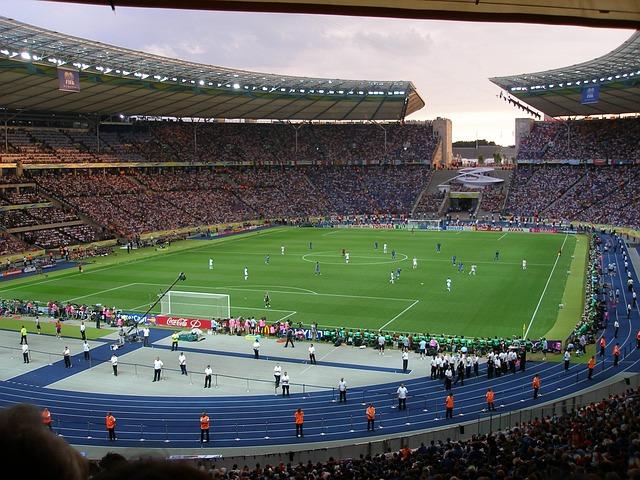
The Court of Arbitration for Sport (CAS) is poised to deliver a landmark ruling on the highly contentious final of the Africa Cup of Nations (AFCON) 2025, casting a long shadow over one of the tournament’s most controversial moments. The decision, anticipated by football fans and officials across the continent, could reshape the legacy of the tournament amid disputes over refereeing decisions and allegations of misconduct. As stakeholders await the verdict, the ruling promises to settle a heated debate that has gripped African football and drawn widespread international attention.
AFCON 2025 Final Dispute Reaches Critical Juncture at CAS
The Court of Arbitration for Sport (CAS) is poised to deliver a decisive ruling on the highly contentious outcome of the AFCON 2025 final, which has sparked widespread debate across the football community. The dispute centers on allegations of referee bias and on-field infractions during the nail-biting match between Senegal and Egypt, leading to Senegal’s claimed victory. Stakeholders from both nations have presented extensive evidence and appeals, placing immense pressure on CAS to uphold the integrity of African football.
Key points under CAS review include:
- Video footage controversies concerning potential offside plays.
- Assessment of referee conduct and VAR decisions.
- Compliance of final match procedures with CAF regulations.
| Aspect | Senegal’s Claim | Egypt’s Counterclaim |
|---|---|---|
| Offside Decision | Incorrectly allowed winning goal | Goal was onside and fair |
| Referee Behavior | Biased calls against Senegal | Standard officiating upheld |
| VAR Usage | Improper intervention timing | Within defined protocols |
Key Controversies Surrounding the AFCON 2025 Championship Decision
The upcoming decision by the Court of Arbitration for Sport (CAS) on the AFCON 2025 final has ignited a storm of debate among football stakeholders. Central to the controversy is the disputed venue change, which saw the championship moved from Morocco to a rival host nation under contentious circumstances. Critics argue that this shift undermines the tournament’s integrity, citing political interference and opaque decision-making processes by CAF officials. Furthermore, allegations of bias and governance failures have plagued the selection committee, raising serious questions about transparency and fairness in African football administration.
Key points fueling the debate include:
- Alleged contractual breaches between Morocco and CAF.
- Pressure from regional football associations influencing the hosting decision.
- Concerns over stadium readiness and security standards in the newly chosen host country.
- Fan and sponsor dissatisfaction with last-minute changes impacting event planning.
| Aspect | Morocco’s Stance | CAF’s Position |
|---|---|---|
| Hosting Rights | Claims rightful contract holder | Argues necessity due to logistical concerns |
| Transparency | Demands public disclosure of decision criteria | Maintains confidentiality citing internal governance |
| Impact on Fans | Warns of fan disenchantment | Assures alternative arrangements for supporters |
Implications of CAS Ruling on African Football Governance and Integrity
The pending decision by the Court of Arbitration for Sport (CAS) regarding the AFCON 2025 final highlights a critical juncture for African football governance. This ruling not only challenges established protocols but also exposes the urgent need for enhanced transparency and accountability within the Confederation of African Football (CAF). Stakeholders across the continent are closely monitoring how CAS’s verdict will influence future administrative actions, potentially prompting a series of reforms aimed at restoring trust and ensuring fairness in tournament management.
Key areas affected by the CAS ruling include:
- Review of match officiating standards and disciplinary procedures
- Strengthening of regulatory oversight over tournament organization
- Implementation of clearer channels for dispute resolution
- Promotion of ethical governance to curb corruption and bias
| Aspect | Potential Impact | Future Outlook |
|---|---|---|
| Governance Transparency | Increased scrutiny of CAF decisions | Adoption of stringent compliance measures |
| Integrity of Competition | Heightened efforts to prevent match manipulation | Introduction of independent review panels |
| Stakeholder Confidence | Temporary dip in public trust | Long-term rebuilding through reform |
Ultimately, the CAS ruling serves as a pivotal moment that could redefine governance standards across African football institutions. Its ramifications extend beyond the courtroom, potentially fostering a culture of integrity that may elevate the continent’s football reputation globally. As the African football community awaits this landmark decision, the hope is for a renewed commitment to upholding the principles that underpin the sport’s spirit and fairness.
Recommendations for Preventing Future AFCON Final Disputes
To mitigate the risk of contentious outcomes tarnishing the reputation of AFCON finals, tournament organizers must implement rigorous regulatory frameworks that prioritize transparency and fairness. Introducing mandatory pre-match video consultations for referees, utilizing advanced VAR technology, and enforcing strict adherence to CAF’s code of conduct can significantly reduce controversies. Furthermore, a clear and swift appeals process that is well-communicated to all participating teams will help manage disputes without prolonging uncertainty. Encouraging open dialogue between teams, match officials, and governing bodies before, during, and after the tournament can also foster mutual trust and reduce misunderstandings.
Key preventive measures could include:
- Mandatory use of real-time VAR interventions during critical match moments
- Establishment of an independent match review panel for on-field incident evaluations
- Standardized training workshops for referees focusing on consistency and impartiality
- Clear deadlines and protocols for dispute resolution to avoid prolonged delays
| Challenge | Proposed Solution |
|---|---|
| Referee bias concerns | Independent panel oversight |
| Delay in rulings | Fixed 72-hour resolution window |
| Communication gaps | Dedicated liaison officers for teams |
| Technology inconsistencies | Standardized VAR protocols across venues |
Wrapping Up
As the Court of Arbitration for Sport prepares to deliver its verdict on the highly contentious AFCON 2025 final, the football world remains on tenterhooks. The decision will not only determine the fate of the teams involved but could also set a significant precedent for how disputes in African football are resolved moving forward. Stakeholders and fans alike await the ruling with bated breath, hopeful for a resolution that upholds the integrity of the game.