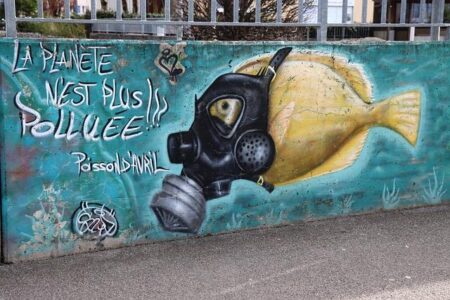
A third consecutive weekend of protests erupted across France as youth-led demonstrations continued to sweep through major cities, highlighting widespread discontent and calls for change. The rallies, marked by high energy and significant turnout from student groups and young activists, mirror similar movements gaining momentum across Europe. Authorities faced mounting pressure to address the protesters’ demands as the unrest shows no signs of abating. This sustained wave of civil demonstrations underscores the growing voice of Europe’s youth in shaping the region’s political and social landscape.
Youth Mobilization Drives Continued Unrest Across French Cities
French cities have witnessed a surge in protests dominated by young demonstrators determined to express their dissatisfaction with ongoing social and economic issues. This wave of activism has not only reignited debates on government policies but also highlighted the deepening generational divide within the nation. Across urban centers, youth groups have organized marches, sit-ins, and creative street demonstrations, emphasizing themes such as economic inequality, climate concerns, and calls for political reforms.
Key factors fueling the unrest include:
- Rising unemployment rates among youth, intensifying frustration over job prospects.
- Discontent with public services perceived as underfunded or inaccessible.
- The spread of social media campaigns, amplifying mobilization efforts.
- Solidarity with pan-European youth movements, connecting local struggles to a broader continental context.
| City | Estimated Participants | Primary Demands |
|---|---|---|
| Paris | 8,000+ | Education reform, Employment |
| Lyon | 4,500+ | Climate action, Social equality |
| Marseille | 3,200+ | Housing, Public safety |
Economic and Social Grievances Fueling Widespread Demonstrations
Across cities in France, deep-rooted economic and social frustrations are driving tens of thousands of young protesters into the streets. Skyrocketing unemployment rates, particularly among youth, combined with rising living costs and stringent labor reforms, have stirred a potent mix of discontent. Many young participants cite a growing sense of disenfranchisement and a lack of future opportunities as primary motivators behind these demonstrations. Additionally, cuts to public services and education funding have left schools and universities under-resourced, exacerbating the climate of unrest.
These grievances manifest not only in verbal demands but also through organized calls for systemic change. Protesters are unified around several core issues:
- Job security: Opposition to precarious work contracts and unemployment spikes.
- Cost of living: Protests against soaring rent, energy prices, and stagnant wages.
- Social inequality: Calls for fairer wealth distribution and access to quality education.
- Government reforms: Resistance to changes perceived as favoring corporations over citizens.
| Issue | Impact | Youth Opinion |
|---|---|---|
| Unemployment Rate | 23% among 18-25 age group | “Jobs feel out of reach” |
| Consumer Price Increase | 7% annual rise | “Harder to afford basics” |
| Public Education Funding | Reduced by 10% | “Education quality declining” |
As the protests continue to spread, the convergence of these economic hardships and social grievances creates a volatile environment, challenging the current political narratives and demanding urgent government attention.
Authorities Brace for Ongoing Clashes Amid Calls for Reform
In response to the escalating unrest, local and national authorities have heightened their security measures, deploying additional police forces in major urban centers across France. Special units are on standby to manage mass gatherings and potential flashpoints, especially near government buildings and transport hubs. Officials emphasize the importance of maintaining public order while respecting citizens’ rights to peaceful protest, yet warn of swift repercussions for violent disruptions.
Authorities have outlined key focus areas to mitigate tensions:
- Increasing surveillance and real-time intelligence sharing
- Engaging community leaders in dialogue to diffuse hostility
- Allocating emergency services to prepare for potential medical needs
- Implementing strategic road closures to manage crowd movements
| Region | Police Deployed | Protest Intensity | Security Measures |
|---|---|---|---|
| Paris | 3,500 | High | Barriers, Checkpoints |
| Lyon | 1,200 | Moderate | Increased Patrols |
| Marseille | 1,000 | Moderate | Escort Units |
| Nantes | 800 | Low | Community Outreach |
Strategies for Dialogue and De-escalation Urged to Address Youth Demands
Authorities across France and other parts of Europe are being called upon to prioritize constructive engagement with youth protesters, whose voices have dominated city streets for three consecutive weekends. Experts and community leaders alike emphasize the crucial need for open channels of communication to prevent further escalation of tensions. Rather than approaching demonstrations with strict enforcement measures, fostering an atmosphere of mutual respect and understanding is seen as essential to addressing the complex issues raised by the youth, including employment, education, and climate policies.
Key recommendations for managing the ongoing demonstrations include:
- Establishing local dialogue forums where young citizens can directly discuss their grievances with policymakers.
- Deploying trained mediators and youth counselors at protest sites to facilitate peaceful negotiations.
- Implementing de-escalation techniques among law enforcement to avoid unnecessary confrontations.
- Encouraging transparency and accountability in governmental response strategies.
| Strategy | Purpose |
|---|---|
| Dialogue Forums | Promote direct youth-government communication |
| Mediator Deployment | Facilitate peaceful resolutions on-site |
| De-escalation Training | Minimize confrontations between protesters and police |
| Transparency Measures | Build trust through open actions and decisions |
To Conclude
As France experiences a third consecutive weekend of protests, driven largely by youth activism, the ripple effect of these demonstrations continues to be felt across Europe. The sustained energy of young protesters signals a broader, continent-wide demand for change, highlighting underlying social and political tensions. Observers and officials alike remain watchful as these rallies evolve, underscoring the ongoing challenge of addressing the concerns of a new generation eager to shape their future.