

Introduction
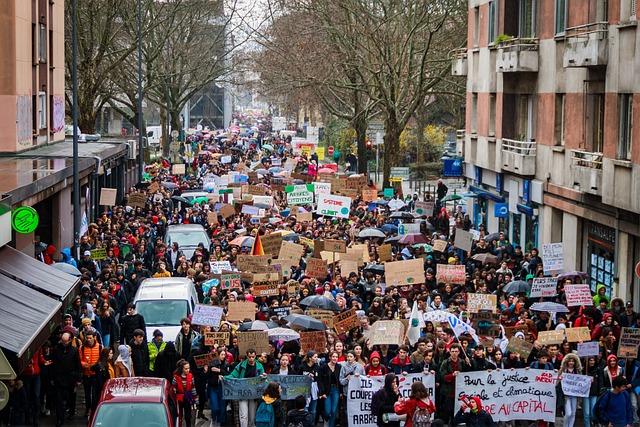
In the wake of escalating tensions, Grenoble has witnessed a third consecutive night of unrest following a controversial incident involving police violence. Demonstrators took to the streets, fueled by concerns over law enforcement practices and calls for accountability. The protests, reflecting broader national discontent, underscore the ongoing challenges surrounding policing and civil rights in France. As clashes between protesters and police intensify, the situation in Grenoble has drawn nationwide attention, prompting discussions about the future of policing in the country. This article examines the events leading up to the unrest, the reactions from various stakeholders, and the implications for community relations in France.
– Rising Tensions: Understanding the Catalysts Behind Anti-Police Protests in Grenoble
The ongoing unrest in Grenoble can be attributed to a confluence of factors that have fanned the flames of discontent among the local population. A significant catalyst has been the recent incident involving police actions that many community members perceive as excessive. Reports of racial profiling and brutality have stirred anger, as residents rally around the notion of justice and accountability for law enforcement. Additionally, socioeconomic disparities in the city have exacerbated frustrations, leading to a sense of alienation about the government’s overall response to public safety and community engagement.
The protests are also a reaction to broader national and global movements advocating for police reform and systemic change. Social media platforms have played a critical role in mobilizing supporters and amplifying voices that challenge the status quo. Among the protesters, sentiments include the need for de-escalation training for officers, transparency in policing practices, and community oversight of local law enforcement. These demands reflect a broader call for accountability and a desire for a safer, more equitable society for all citizens:
- De-escalation training for police officers
- Transparent investigations into police misconduct
- Increased community engagement and dialogue
- Allocation of resources to social services
– Voices from the Ground: Perspectives of Demonstrators and Law Enforcement
Amid the escalating protests in Grenoble, demonstrators express a deep-seated frustration towards law enforcement, articulating a collective desire for systemic change. Many assert that their voices are not merely raised in anger but as a demand for accountability and justice. “We’re tired of being overlooked,” said a local activist, emphasizing that the recent spate of police violence has reignited long-standing grievances. The crowd chants slogans calling for transparency and reform, while social media buzzes with hashtags highlighting their plight. This uprising has become more than just a response to individual incidents; it represents a broader movement against perceived state oppression.
In contrast, representatives from law enforcement describe their actions as necessary measures to maintain order amidst the chaos. “Our duty is to protect citizens and respond effectively to violence,” one officer stated during a press briefing. Concerns around public safety are often cited, along with claims that their methods have been misrepresented. Yet, the tension between the police and protesters continues to rise, resulting in clashes that leave both sides questioning their approach. The need for dialogue is increasingly urgent, and while some officers advocate for de-escalation tactics, others remain entrenched in their belief that strong responses are essential in high-stakes scenarios.
– Community Response: Local Initiatives Aiming to Bridge the Divide
In the wake of recent unrest, local residents and organizations in Grenoble are uniting to foster understanding and address community grievances. Initiatives are emerging that not only aim to alleviate tensions but also promote dialogue among various community groups. Neighborhood forums have been organized, providing a platform for citizens to express concerns and share perspectives on policing practices. These gatherings often include voices from youth, activists, and local leaders, emphasizing the need for transparency and accountability within law enforcement.
Moreover, several grassroots organizations are launching volunteer-led programs designed to bridge divides and support those affected by violence. Community art projects are underway, allowing residents to express their feelings through murals and installations that reflect their hopes for a peaceful coexistence. Resource-sharing networks are also being established, focusing on mutual aid and support, providing essentials such as food and educational materials to families in need. The collaborative spirit of these efforts illustrates a collective aspiration for a harmonious community and reimagining public safety.
– Path Forward: Recommendations for De-escalation and Constructive Dialogue
In light of the recent unrest in Grenoble, a multifaceted approach is essential to mitigate tensions and foster community relationships. Authorities should consider engaging local community leaders and stakeholders in constructive dialogue to understand grievances and historical contexts better. Key recommendations include:
- Establishing community forums: Regular meetings between residents, police, and local organizations can facilitate open discussions and promote transparency.
- Implementing de-escalation training: Law enforcement agencies should prioritize advanced training programs that emphasize non-violent conflict resolution techniques.
- Enhancing communication channels: Utilizing social media and community newsletters to provide updates and gather feedback from the public can foster trust.
Moreover, addressing systemic issues such as economic disparities and community identity is crucial. Investing in local development programs and youth engagement initiatives can alleviate frustrations that fuel discontent. To support these efforts, the following strategies are recommended:
| Strategy | Expected Outcome |
|---|---|
| Community Policing | Stronger trust between police and residents |
| Increased Youth Programs | Reduced violence and a sense of belonging |
| Open Dialogue Initiatives | Enhanced understanding of community needs |
To Conclude
In conclusion, the third consecutive night of protests in Grenoble highlights the growing tensions surrounding police violence in France. As demonstrators continue to voice their frustrations, the situation remains fluid, with authorities bracing for potential escalation. The impact of these events is likely to ripple beyond the streets of Grenoble, fueling ongoing debates about police accountability and social justice across the nation. The next steps for both protesters and government officials will be crucial in determining the trajectory of this unrest and its implications for French society as a whole. Observers will be keenly watching for developments in the coming days, as the dialogue surrounding policing and community relations continues to evolve.

