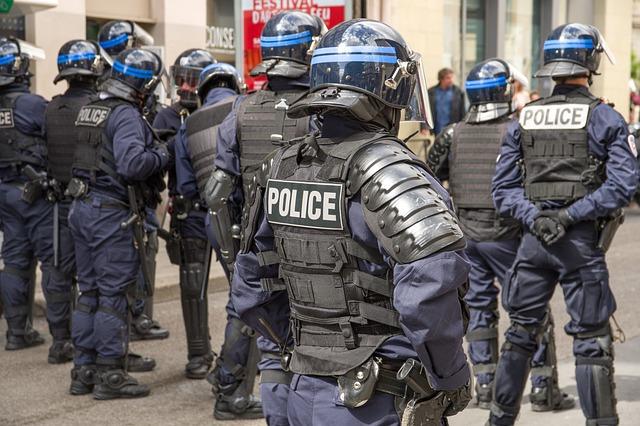
Riots in France: How Anti-Government Protests Spiraled Out of Control
In recent weeks, France has witnessed one of the most intense waves of civil unrest in decades, as anti-government protests erupted across the nation. Initially ignited by widespread discontent over economic policies and social inequalities, demonstrators took to the streets in large numbers, demanding change and accountability from the government. However, what began as peaceful gatherings soon devolved into chaotic riots, marked by violence, vandalism, and clashes with law enforcement. As the situation escalates, questions arise about the underlying causes of this turmoil, the government’s response, and the future of political discourse in France. This article delves into the origins of the protests, the factors contributing to their escalation, and the implications for a nation grappling with deep-seated frustrations.
Escalating Tensions: The Roots of Unrest in France
The recent civil unrest in France has its roots in a complex web of socio-economic challenges, coupled with pervasive feelings of disillusionment towards the government. Many citizens are grappling with the weight of rising living costs, stagnating wages, and a sense of neglect from their leaders. This discontent has escalated as a response to perceived authoritarian measures taken by the government, which some view as an infringement on civil liberties. Key factors contributing to the unrest include:
- High inflation rates, affecting daily necessities
- Youth unemployment at staggering levels, particularly among marginalized communities
- Retirement reforms that many believe disproportionately impact the working class
- Distrust in political institutions, fueled by lack of transparency and engagement
The evolution of these protests into widespread riots showcases the deepening divide between the populace and the state. Incidents of violence have surged, with clashes between protesters and law enforcement becoming increasingly common. The government’s response, viewed by many as heavy-handed, has only intensified the situation. In recent weeks, significant cities have witnessed escalated confrontations, resulting in numerous arrests and injuries. Setting the stage for further discord, the population’s demands include not just immediate economic relief, but also structural changes in governance aimed at ensuring accountability and fostering genuine dialogue. The situation continues to unfold, with many fearing that without a concerted effort to address root causes, this cycle of unrest may persist.
| Issue | Impact |
|---|---|
| Inflation | Increased cost of living |
| Unemployment | Disillusionment among youth |
| Government reforms | Perception of injustice |
Analyzing the Impact of Policy Decisions on Public Sentiment
The recent upheaval in France has highlighted the profound effect that government policy decisions can have on public sentiment. As citizens grapple with rising living costs and perceived governmental neglect, the frustration has culminated in protests that rapidly escalated into riots. Social media has played a pivotal role, amplifying voices of discontent and mobilizing individuals to partake in demonstrations, often blurring the line between peaceful protest and violent outburst. This scenario raises critical questions about the government’s responsiveness to its constituents and the broader implications of ignored grievances.
Analyzing the events, several key factors emerge that have shaped public perception and reaction:
- Economic Strain: Increasing prices of basic necessities have left many feeling financially insecure.
- Political Distrust: A growing sense of disillusionment with elected officials has fueled calls for accountability.
- Media Influence: News coverage can either incite fear or galvanize unity, significantly impacting public emotion.
| Event | Date | Public Reaction |
|---|---|---|
| Initial Protests | October 1, 2023 | Widespread participation |
| Escalation to Riots | October 10, 2023 | Increased violence and vandalism |
| Government Response | October 15, 2023 | Calls for dialogue |
Strategies for De-escalation: Lessons from Recent Protests
In the wake of the recent unrest in France, it is imperative to examine effective de-escalation strategies that could have mitigated tensions. Successful interventions employ a combination of active listening, collaboration, and clear communication. Key tactics include:
- Building trust with community leaders to foster cooperation.
- Utilizing mediators for unbiased negotiation between authorities and demonstrators.
- Implementing clear messaging to articulate the rationale behind policing actions and government responses.
Additionally, data-driven insights highlight the importance of understanding protest dynamics. Analyzing the underlying issues that fuel discontent can be invaluable. A recent study emphasizes the correlation between socio-economic factors and protest escalation, suggesting targeted community engagement can alleviate potential flashpoints. The following table outlines factors impacting protest dynamics:
| Factor | Impact on Protests |
|---|---|
| Economic Inequality | Heightens frustrations and grievances. |
| Government Response | Can either exacerbate or reduce tensions. |
| Media Coverage | Shapes public perception and protest outcomes. |
Building Bridges: The Role of Dialogue in Governance Reform
In the wake of escalating anti-government protests in France, a stark need for dialogue has emerged as a critical component of governance reform. The demonstrations, initially sparked by discontent over economic conditions and policy decisions, soon erupted into widespread unrest, highlighting the disconnect between the government and its citizens. As tensions rose, the absence of constructive communication exacerbated the situation, making it crucial to explore pathways for dialogue that could mend the rift and address underlying grievances.
Key elements for fostering meaningful dialogue in governance include:
- Transparent Communication: Ensuring that government actions and policies are clearly conveyed to the public to build trust.
- Inclusive Participation: Engaging diverse societal groups to incorporate multiple perspectives in decision-making processes.
- Constructive Feedback Mechanisms: Establishing platforms where citizens can voice concerns and suggestions regarding government policies.
- Conflict Resolution Strategies: Implementing frameworks to peacefully address disputes and grievances arising from protests.
By prioritizing these elements, France can work towards not only calming the current chaos but also creating a more resilient political environment that prioritizes citizen engagement and prevents future outbursts of violence.
Key Takeaways
As the dust settles on the streets of France, the echoes of unrest remind us of the deep-rooted tensions that can surface in times of political upheaval. The anti-government protests, which began as a response to growing discontent, have unveiled a complex landscape of social grievances and calls for change. While the government navigates the aftermath, questions linger about the efficacy of dialogue amid escalating turmoil. Observers worldwide will be watching closely, as France grapples with not only the immediate challenges posed by the riots but also the broader implications for its democratic institutions. The road to recovery will require thoughtful engagement and a commitment to addressing the concerns of its citizens, ensuring that the lessons learned from this crisis pave the way for a more unified future.