

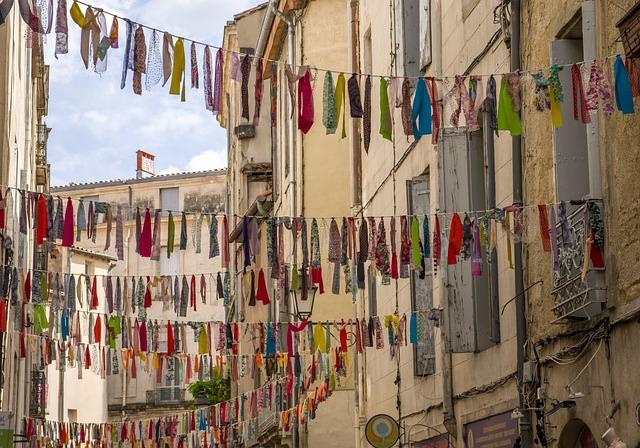
Montpellier: France’s Rising Star Beyond Paris and Nice
As the allure of France’s iconic cities often draws tourists and locals alike, a new contender is emerging on the map of desirability. While Paris and Nice have long reigned as the crown jewels of French urban life, Montpellier is capturing attention as a vibrant alternative that blends history, innovation, and culture. Nestled in the south of France, this dynamic city is not only rich in heritage but also a hub for education and technology, making it an increasingly attractive destination for those seeking a fresh experience. In this article, we delve into what makes Montpellier the talk of the town and why it might just be the most desirable city in France today.
The Rising Appeal of Montpellier as a Cultural Hub
Montpellier is rapidly emerging as a prominent cultural hub, attracting creatives and visitors alike with its unique blend of historical charm and contemporary vibrancy. The city’s medieval architecture, bustling plazas, and a diverse array of cultural institutions create an inviting atmosphere for both locals and tourists. Highlights include:
- The Fabre Museum – Showcasing a stunning collection of European art.
- Le Corum – A striking conference center that doubles as a performance venue.
- Annual Festivals – Celebrating everything from dance to jazz, highlighting the city’s artistic spirit.
Additionally, Montpellier’s university draws a young, dynamic population, spurring innovation and diverse cultural projects. The flourishing arts scene is further enhanced by a range of galleries, theaters, and music venues that regularly host local and international talent. As the city’s gastronomic offerings grow, with a focus on sustainable and local cuisine, Montpellier’s streets are alive with cafés and restaurants that reflect its multicultural essence. Notably:
| Culinary Highlights | Signature Dish |
|---|---|
| Le Petit Jardin | Tapenade with fresh ciabatta |
| La Diligence | Seafood platter |
| Les Comptoirs de la Mer | Traditional bouillabaisse |
Exploring Montpellier’s Unique Architecture and Historic Charm
Montpellier is a treasure trove of architectural styles that whisper tales of its rich history. As you stroll through the cobblestone streets of the historic center, you’ll be greeted by a mix of medieval buildings, Renaissance facades, and modernist masterpieces. Notable landmarks such as the iconic Place de la Comédie and the striking Domaine d’O showcase the city’s commitment to preserving its heritage while embracing contemporary trends. This blend of the old and new creates a visual feast that captures the essence of Montpellier’s identity. Here are some architectural highlights:
- Saint-Pierre Cathedral: A stunning example of Gothic architecture with towering spires.
- Promenade du Peyrou: A grand promenade featuring the majestic Aqueduct Saint-Clément.
- Antigone District: Designed by architect Ricardo Bofill, this area flaunts neoclassical design with modern features.
Walk further, and you’ll discover the innovative Serre Amazonienne, an extraordinary tropical greenhouse that symbolizes Montpellier’s emphasis on sustainable architecture. Its design complements the landscape while housing a diverse range of plant species. The city’s commitment to blending environmental responsibility with architectural aesthetics attracts both residents and visitors, making it a focal point for urban development. Here’s a quick comparison of the architectural styles you’ll find in Montpellier:
| Architectural Style | Characteristics | Notable Example |
|---|---|---|
| Gothic | Pointed arches, ribbed vaults, flying buttresses | Saint-Pierre Cathedral |
| Renaissance | Symmetry, proportion, classical orders | Musée Fabre |
| Modernist | Functional forms, new materials, integration with nature | Serre Amazonienne |
Culinary Delights: Discovering the Gastronomic Scene in Montpellier
Montpellier’s culinary landscape is a delicious tapestry woven with both tradition and innovation. Here, the vibrant market scene buzzes with local vendors who proudly showcase an abundance of fresh, regional produce. Notable spots like Les Halles Laissac offer a sensory feast where you can immerse yourself in the aromas of ripe fruits, local cheeses, and artisan breads. Exploring the city’s bustling bistros and trendy food trucks reveals a fusion of flavors that reflect both Mediterranean roots and modern culinary trends, making it a hub for food enthusiasts.
Visitors can sample a variety of local dishes that celebrate the region’s rich heritage. Highlights include:
- Pissaladière – A savory tart topped with onions, olives, and anchovies.
- Panisse – Crispy chickpea fritters that are a perfect snack on-the-go.
- Rouille de seiche – A unique squid stew that showcases the Mediterranean’s bounty.
Gastronomic experiences are also enhanced by the region’s remarkable wines, particularly those from the nearby Languedoc vineyards. Whether you’re enjoying a glass of full-bodied red or a crisp white, the local wines pair beautifully with the diverse flavors of Montpellier’s menus. The city not only tantalizes the taste buds but also elevates the dining experience into a celebration of culture and community.
Outdoor Adventures and Mediterranean Access Transforming Urban Living
In recent years, Montpellier has emerged as a beacon of modern urban living, seamlessly blending outdoor adventures with easy access to the breathtaking Mediterranean coastline. Nestled in the Languedoc region, the city is not just about its historical architecture; it offers an almost unparalleled array of recreational activities. Residents can take advantage of the nearby hiking trails in the surrounding hills, or enjoy water sports at local beaches like Palavas-les-Flots and La Grande Motte.
The urban design prioritizes green spaces, creating a vibrant community atmosphere that encourages outdoor lifestyles. Montpellier boasts a multitude of parks and gardens, including the stunning Jardin des Plantes, which serves as a picturesque backdrop for leisurely strolls. Additionally, the city’s robust public transport system makes it easy to embark on spontaneous day trips to coastal spots or nature reserves, further enhancing the appeal for those seeking a healthy work-life balance. The synergy between urban convenience and natural beauty positions Montpellier as a front-runner in the quest for desirable living.
Wrapping Up
In conclusion, while Paris and Nice have long held the title of France’s most iconic cities, Montpellier is positioning itself as a compelling alternative for those seeking a vibrant blend of culture, innovation, and lifestyle. With its rich history, lively student population, and commitment to sustainability, Montpellier’s allure is undeniable. As tourism and investment continue to rise, this hidden gem of the south is poised to capture the attention of both locals and international visitors alike. As the conversation around desirable destinations shifts, it seems Montpellier may well be stepping into the spotlight, showcasing the diverse beauty and charm that France has to offer beyond its traditional favorites.

