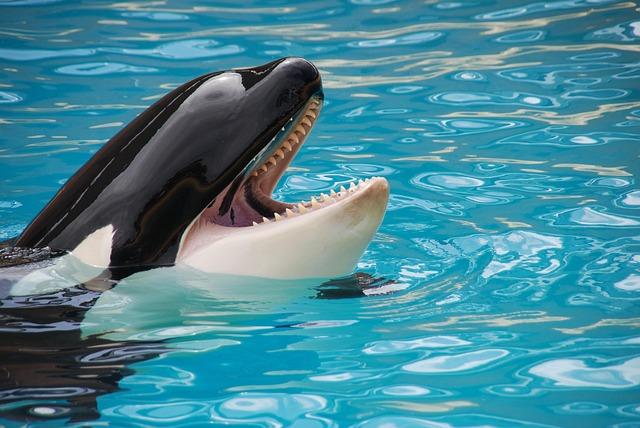
In a controversial decision that has sparked debate among animal rights advocates and marine conservationists, France has announced plans to transfer its last captive orcas to a marine park rather than a sanctuary. This move marks a significant moment in the country’s ongoing struggle to balance animal welfare concerns with the economic realities of marine entertainment. Critics argue that relocating the orcas to a commercial facility falls short of the ethical standards set by true sanctuaries, which prioritize the animals’ well-being and rehabilitation over public exhibition. The development sheds light on the complex challenges faced by nations grappling with the future of captive marine mammals.
France’s Decision to Transfer Last Captive Orcas Sparks Animal Welfare Debate
France’s recent decision to relocate its last captive orcas from Seaquarium in Le Grau-du-Roi to another commercial marine park, rather than a true sanctuary, has reignited fierce discussion within animal welfare circles. Critics argue that transferring the orcas to a facility focused on entertainment perpetuates the cycle of confinement and ignores the urgent need for environments that prioritize the animals’ psychological and physical well-being. Advocates emphasize that marine parks often fall short of replicating natural habitats, highlighting issues such as limited space, unnatural social groupings, and ongoing performances that can cause stress and deteriorate health over time.
The debate is further complicated by logistical, financial, and regulatory challenges associated with building or funding genuine orca sanctuaries in Europe. Supporters of the move suggest that the chosen marine park offers advanced veterinary care and improved facilities compared to the current location. However, animal rights organizations have presented the following concerns in response:
- Inadequate space: Continued confinement in tanks significantly smaller than wild territories.
- Lack of environmental enrichment: Limited opportunities for natural social behaviors and mental stimulation.
- Commercial prioritization: Focus on profit and audience spectacle rather than rehabilitation.
- Long-term welfare uncertainty: Unknown commitment to improving living conditions and quality of life.
| Aspect | Marine Park | Orca Sanctuary |
|---|---|---|
| Space | Limited tank size | Large natural sea pens |
| Animal Interaction | Daily shows | Natural social groups |
| Care Focus | Entertainment | Welfare & rehabilitation |
| Public Access | Frequent visitors | Restricted & minimal |
Expert Analysis on Marine Parks Versus Sanctuaries for Orca Rehabilitation
Marine parks, often viewed as controlled environments designed for public display and entertainment, present significant challenges for orca rehabilitation. While these facilities boast stringent safety protocols and extensive vet care, critics argue that the focus on visitor experience may divert attention from the orcas’ psychological and social needs. Experts point out that the artificial habitats of marine parks, though expansive compared to early captivity tanks, still fail to replicate the complexity of wild marine ecosystems. This limitation can impede natural behaviors crucial for orca recovery and eventual release.
Conversely, sanctuaries emphasize minimal human interaction, fostering naturalistic settings aimed at rehabilitating orcas in environments closer to the wild. Key advantages cited include:
- Large, open-water enclosures that support social groupings and complex hunting techniques.
- Reduced noise pollution compared to busy marine parks, benefiting orca communication.
- Focus on long-term health and reintegration rather than short-term display.
| Aspect | Marine Parks | Sanctuaries |
|---|---|---|
| Primary Objective | Exhibition & Entertainment | Rehabilitation & Release |
| Size of Habitat | Limited, Artificial | Expansive, Natural |
| Human Interaction | High | Minimal |
| Social Grouping | Restricted | Supported, Dynamic |
| Noise Levels | Elevated | Low |
Implications for Conservation Efforts and Future Captive Orca Policies
The decision to transfer France’s last captive orcas to a marine park rather than a dedicated sanctuary raises significant concerns regarding the welfare and ethical treatment of these intelligent marine mammals. Sanctuaries, designed to simulate natural habitats and prioritize rehabilitation, provide an environment where orcas can exhibit natural behaviors with minimal human interference. By contrast, marine parks often emphasize public entertainment and may not offer the spacious, enriching environments that orcas require for physical and psychological health. This move could set a contentious precedent for future captive orca policies in other countries, potentially hindering the global trend toward more humane conservation strategies.
Key implications include:
- Potential delay in phasing out captive orca programs focused on captivity over welfare.
- Increased scrutiny on governmental and private organizations managing marine mammal welfare.
- Heightened activism and public debate over the ethical considerations of retaining orcas in entertainment facilities.
| Aspect | Sanctuary | Marine Park |
|---|---|---|
| Space & Habitat | Large, naturalistic environments | Restricted, artificial pools |
| Focus | Rehabilitation & Welfare | Entertainment & Public Access |
| Long-term Goal | Reintroduction or lifelong care with minimal stress | Performance and exhibition |
Calls for Enhanced Regulations and Alternative Solutions from Animal Rights Groups
Animal rights organizations have vocally condemned the decision to relocate France’s last captive orcas to a marine park instead of a more natural sanctuary setting. Critics argue this move prioritizes commercial interests over the welfare and rehabilitation of the orcas, demanding stricter regulatory frameworks to ensure the ethical treatment of marine mammals. Activists emphasize the need for policies that phase out captivity altogether, calling on lawmakers to adopt comprehensive legislation that addresses both the psychological stress and physical health challenges faced by cetaceans in artificial environments.
In addition to advocating for tougher regulations, these groups are promoting alternative solutions centered around sanctuaries with open-water pens and community-based conservation efforts. The proposed approaches emphasize:
- Providing ample space and a naturalistic habitat for gradual rehabilitation
- Fostering educational programs that increase public awareness about marine life conservation
- Supporting research initiatives aimed at understanding orca behavior without exploitation
| Proposed Alternative | Key Benefits | Challenges |
|---|---|---|
| Open-water Sanctuaries | Natural habitat, reduced stress | Higher operating costs |
| Community Conservation | Public engagement, sustainable | Requires strong governance |
| Legislative Reform | Long-term animal protection | Political resistance |
Final Thoughts
As France prepares to transfer its last captive orcas to a marine park rather than a sanctuary, the move marks a significant moment in the country’s approach to marine mammal captivity. While advocates argue that sanctuaries offer a more ethical and natural environment for these highly intelligent animals, authorities maintain that the marine park provides adequate care and facilities. This decision is likely to prompt ongoing debates about animal welfare, conservation, and the future of captive marine mammals in Europe.