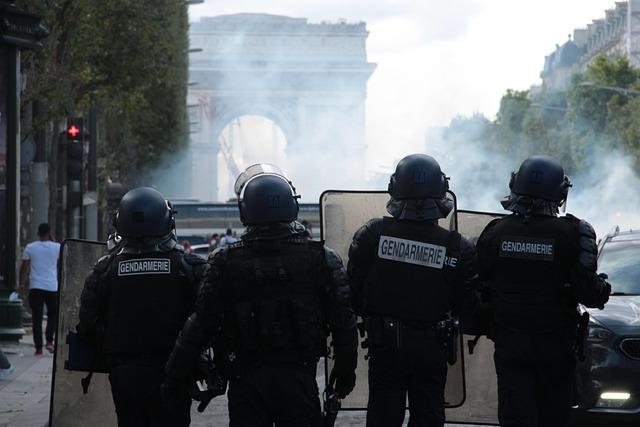
As protests across France escalate into widespread violence, authorities are grappling with the aftermath of intense clashes that have left cities in turmoil. Over 1,200 individuals have been arrested amid scenes of looting and destruction, with buildings set ablaze as demonstrators voice their discontent. The unrest, ignited by a confluence of socio-economic grievances, has drawn attention to broader issues within French society and raises urgent questions about the state’s response to civil unrest. This article delves into the events that have unfolded, the factors fueling the protests, and the implications for the future of public dissent in France.
France’s Protests Escalate Amidst Widespread Violence and Arrests
As tensions rise across France, the streets have become battlegrounds, with violent clashes erupting between protesters and law enforcement. In major cities such as Paris, Lyon, and Marseille, groups of demonstrators have resorted to looting, setting buildings ablaze, and damaging property. The French Ministry of the Interior reported that over 1,200 individuals have been arrested as the unrest continues to escalate. Eyewitness accounts describe scenes of chaos, as masked figures clash with riot police, fueling fears that the situation could spiral further out of control.
The unrest stems from public outrage over various socio-economic issues and government policies, with the protests reflecting deep-seated frustrations among citizens. Key factors include rising inflation, pension reforms, and declining living standards. Many demonstrators argue that their voices are being drowned out by political elites, leading to a growing sentiment of disillusionment. Authorities have indicated that they are prepared to invoke stricter measures to restore order, warning that any further acts of violence will be met with enhanced police presence and legal action.
| Issue | Public Response |
|---|---|
| Inflation | Calls for price controls |
| Pension Reforms | Mass protests |
| Living Standards | Demands for wage increases |
Impact on Public Safety: Understanding the Risk of Unrest Across Urban Areas
The recent surge in protests across urban areas in France has highlighted significant concerns regarding public safety. The violent clashes between demonstrators and law enforcement have led to widespread chaos, with incidents of looting and buildings set ablaze becoming increasingly common. This unrest has raised critical questions about the effectiveness of policing strategies and the measures needed to ensure the safety of civilians and property during such volatile situations. Local authorities are now faced with the challenge of balancing civil liberties with the need for public order.
As over 1,200 individuals have been arrested, the repercussions of this unrest extend beyond immediate impacts on public safety. The ramifications can be seen in the community’s socioeconomic fabric, which suffers from the fallout of violence, including disrupted businesses and heightened fear among residents. To better understand these dynamics, it’s essential to consider the following factors affecting public safety:
- Increased law enforcement presence: A response often necessary but potentially exacerbating tensions.
- Community trust: Relationships between local police and communities can deteriorate amid unrest.
- Economic impact: Local businesses face losses due to damage and decreased patronage.
| Impact Area | Description |
|---|---|
| Community Safety | Fear and anxiety among residents may increase, affecting their engagement in public life. |
| Emergency Services | Strain on emergency services as they respond to both protests and resultant chaos. |
| Property Damage | Significant financial impacts due to vandalism and arson, necessitating costly repairs. |
A Closer Look at the Socioeconomic Factors Fueling the Outbreak of Violence
Recent events in France have brought to the forefront a myriad of underlying socioeconomic issues that contribute to the current atmosphere of unrest. Rising inequality and high unemployment rates among marginalized communities have bred disenchantment. Many citizens are reacting not just to immediate grievances but to a systemic lack of opportunity. Factors such as limited access to education, inadequate public services, and soaring living costs exacerbate tensions, pushing individuals toward desperate measures, including violent protests. The struggle for basic economic rights often manifests in explosive reactions, reflecting deep-rooted dissatisfaction with government policies.
The connection between economic hardship and social unrest is further highlighted by a significant demographic breakdown of those involved in the protests. An analysis of arrested individuals shows considerable representation from younger generations facing bleak job prospects. Key elements fueling this frustration include:
- Youth unemployment: Over 20% among those aged 15-24
- Housing crises: Escalating rental prices forcing families to live in substandard conditions
- Social discontent: A growing sense of alienation within urban environments
| Factor | Impact |
|---|---|
| Youth Unemployment | Exacerbates frustration and impulsive actions |
| High Cost of Living | Limits disposable income, fueling anger |
| Social Isolation | Contributes to disengagement from political processes |
Recommendations for Restoring Order and Fostering Dialogue in Troubled Communities
The recent upheaval in France underscores the urgent need for proactive strategies to mend the rifts in affected communities. Authorities could implement community engagement programs, aimed at fostering mutual understanding and collaboration among residents and local law enforcement. Such initiatives might include:
- Regular community forums to facilitate open discussions.
- Conflict resolution workshops that equip residents with the tools to address grievances constructively.
- Youth outreach programs that provide constructive activities and mentorship to prevent involvement in violence.
Additionally, restoring trust will require transparent communication between officials and the public. Establishing a rapid response task force dedicated to addressing local issues can create a sense of accountability. A structured approach could involve:
| Action Item | Expected Outcome |
|---|---|
| Monthly town hall meetings | Increased community participation |
| Regular updates from law enforcement | Greater transparency and trust |
| Collaborative community service projects | Stronger community bonds |
These measures could form a holistic approach to mitigating tensions and reestablishing order, ultimately fostering a resilient community capable of thriving amid challenges.
Key Takeaways
As France grapples with the repercussions of these unprecedented protests, the nation stands at a crossroads, with deep-seated social grievances rising to the surface. The violent clashes, looting, and widespread chaos reflect not only immediate frustrations but also broader issues of inequality and government accountability. With over 1,200 arrests made and cities bearing the scars of unrest, the path to resolution remains fraught with challenges. Authorities and citizens alike must now confront the fundamental questions surrounding justice, reform, and unity in a country that prides itself on its democratic values. The coming days will be critical, as the nation seeks to restore order and address the underlying causes of this turmoil. As France watches closely, the world too remains attentive, cognizant of the profound implications for democratic engagement and social stability in an era marked by discontent.