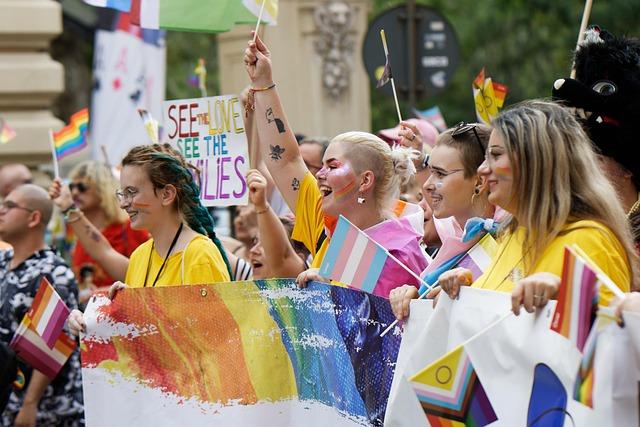
In recent weeks, France has been rocked by widespread protests that have captured the attention of global observers, raising critical questions about the state of democracy and social justice in the Western world. As citizens take to the streets to voice their discontent over a range of issues, including economic inequality and government austerity measures, experts suggest these demonstrations may serve as a wake-up call not only for France but for other nations, including the United States. In this article, we delve into the events igniting unrest in France, examine the broader implications for democratic societies, and consider whether similar sentiments could ignite protests on American soil. What lessons can be learned from France’s turbulent climate, and how might they resonate across the Atlantic?
Impact of France’s Protests on Global Stability
The recent protests in France have reverberated far beyond its borders, serving as a stark indicator of rising discontent that could influence global stability. Key drivers of the unrest, such as economic inequality, political dissatisfaction, and social injustice, echo concerns seen in other nations, potentially igniting similar movements worldwide. As citizens increasingly harness social media to voice their grievances, governments everywhere must reckon with the implications of these interconnected struggles. How well political entities respond to these challenges could shape the course of domestic peace and international relations in the years to come.
In light of these events, it is vital to consider the ripple effects that France’s protests may have on other nations, particularly the United States. Observers are drawing parallels that suggest a growing discontent within American society, fueled by issues such as healthcare disparities, racial tensions, and rising living costs. With these realities brewing beneath the surface, it raises questions about the potential for civil unrest in the U.S. Here’s a glimpse at some comparative factors between France and the U.S. that could hint at looming challenges:
| Factor | France | United States |
|---|---|---|
| Youth Unemployment | 20% | 8% |
| Debt-to-GDP Ratio | 115% | 125% |
| Protest History | Frequent | Increasing |
| Social Media Engagement | High | Very High |
Understanding the Underlying Causes of Civil Unrest
The recent wave of protests in France highlights a variety of factors that often fuel civil unrest worldwide. Socioeconomic disparities, including rising income inequality and stagnant wages, serve as a primary catalyst for discontent. Many citizens feel disenfranchised by a government that appears more focused on preserving the status quo than addressing systemic inequities. In addition to economic grievances, cultural tensions, such as issues surrounding immigration and national identity, exacerbate frustrations, leading to a volatile atmosphere ripe for protest. These factors combine to create a sense of urgency among citizens, pushing them to take to the streets in search of change.
A closer examination reveals that political disillusionment plays a crucial role as well. Citizens often perceive their leaders as disconnected from the realities of everyday life, which breeds cynicism and a lack of trust in governmental institutions. This sentiment is reflected in the growing demand for more direct forms of democracy, such as referendums and local decision-making processes. Additionally, the proliferation of social media platforms facilitates rapid organization and amplification of dissenting voices, allowing movements to gain momentum and attract widespread attention. As seen in France, these intertwined issues may serve as a wake-up call for other nations, including the United States, where similar grievances simmer beneath the surface.
Lessons for the United States from France’s Reaction
France’s recent demonstrations highlight a growing unrest that resonates with issues present in the United States. As the French public rallies against proposed pension reforms, their response serves as a reminder of the importance of civic engagement and the power of collective action. Key takeaways for American citizens and policymakers include:
- Vigilance Against Policy Changes: Citizens must actively monitor and respond to legislative changes that impact their rights and welfare.
- The Role of Youth: Younger generations often spearhead movements; engaging them can lead to significant societal change.
- Importance of Dialogue: Open conversations between the government and the public can help diffuse tensions and prevent unrest.
Furthermore, observing the dynamics of the protests can guide American leaders in addressing discontent before it escalates. Analyzing the root causes of civil unrest in France reveals that underlying economic disparities and social justice issues play a crucial role. Essential factors for consideration include:
| Factor | France | United States |
|---|---|---|
| Income Inequality | Rising cost of living | Stagnant wage growth |
| Social Services | Pressure on public resources | Debate on healthcare accessibility |
| Political Dissatisfaction | Loss of trust in government | Polarization and disillusionment |
Strategic Recommendations for Preventing Domestic Protests
To mitigate the risk of domestic protests akin to those seen in France, government officials and community leaders should consider adopting a multi-faceted approach. This could include enhancing community engagement through town hall meetings, where citizens can express their grievances and suggestions in a constructive environment. Furthermore, implementing transparent communication strategies can help build trust between the government and the public. Regular updates on policies, handling of social justice issues, and economic changes can diminish misunderstandings that often lead to unrest.
Additional preventive measures might involve establishing task forces focused on monitoring social media trends and local sentiments, allowing for more proactive responses to brewing discontent. Equipping law enforcement with de-escalation training and non-invasive crowd management techniques can also pave the way for peaceful resolutions. Importantly, fostering partnerships with community organizations can create platforms for smaller voices, ensuring that marginalized groups are heard and represented in the policy-making process.
| Strategies | Benefits |
|---|---|
| Community Engagement Initiatives | Fosters dialogue and trust. |
| Transparent Communication | Minimizes misinformation. |
| Social Media Monitoring | Proactive risk management. |
| De-escalation Training | Reduces violent confrontations. |
| Partnerships with Organizations | Amplifies marginalized voices. |
Insights and Conclusions
As the protests in France unfold, serving as a potential harbinger for social unrest, experts warn that similar sentiments may emerge across the Atlantic. The response to government policies, economic pressures, and societal grievances in Europe poses crucial questions for the United States. Will Americans take heed of France’s wake-up call? As citizens face their own mounting frustrations, the parallels cannot be ignored. As this situation continues to develop, the eyes of the world remain fixed on both sides of the ocean, eager to see if the call for change resonates on U.S. soil. The next chapter of civic engagement and activism may be just around the corner.