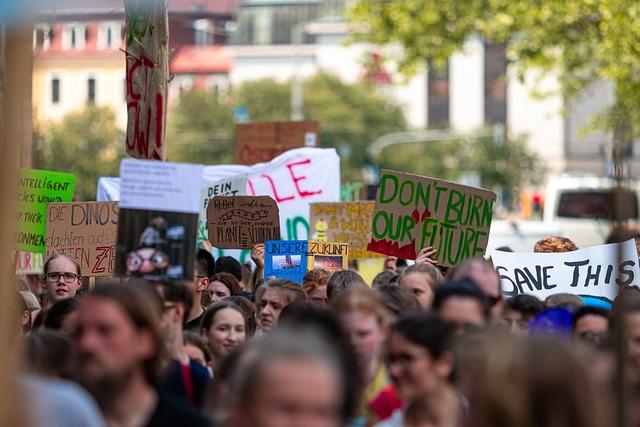
As France enters the final stretch of President Emmanuel Macron’s term, a mounting controversy over police tactics in response to nationwide school protests is casting a shadow over his administration. Demonstrations sparked by proposed educational reforms have seen escalating confrontations between students and law enforcement, igniting widespread debate and outrage across the country. The government’s handling of these protests is raising serious questions about civil liberties and public order, adding to the challenges faced by Macron in his closing months in office.
Policing Tactics Draw Sharp Criticism Amid Student Protests
Authorities’ use of heavy-handed methods during recent student demonstrations has ignited widespread condemnation from human rights groups and the public alike. Images and footage depicting the deployment of tear gas, baton charges, and the detention of minors have raised serious concerns about proportionality and the respect for civil liberties. Critics argue that such tactics not only escalate tensions but undermine the government’s credibility at a time when social dialogue is urgently needed. Protesters and observers emphasize that the right to peaceful assembly must be safeguarded, especially for youth advocating for their future.
A closer look at the response tactics reveals a complex interplay between law enforcement protocols and political pressure. Below is a summary of key criticism points voiced by activists and legal experts:
- Excessive force: Use of stun grenades and physical restraint against demonstrators.
- Lack of transparency: Limited access to information regarding police operations.
- Targeting minors: Detention and questioning of students under legal age without guardians present.
- Political implications: Enforcement perceived as an attempt to stifle dissent ahead of crucial political deadlines.
| Aspect | Official Justification | Public Criticism |
|---|---|---|
| Tear Gas Deployment | Maintain order and disperse violent crowds | Disproportionate impact on peaceful protesters |
| Detention Procedures | Prevent escalation and gather intelligence | Rights violations especially for minors |
| Media Access | Operational security concerns | Lack of transparency breeds mistrust |
Impact of School Demonstrations on Macron’s Political Standing
The widespread school demonstrations have significantly impacted President Macron’s political standing, thrusting the issue into the center of national debate. Public reaction to the government’s policing tactics has been sharply divided, with many critics accusing authorities of excessive force against young protesters. This backlash has intensified scrutiny on Macron’s administration, particularly in the sensitive final months of his term. The controversy risks alienating a critical voter base, especially younger demographics who view the protests as a fight for their future.
Key factors shaping public perception include:
- Use of crowd control methods such as tear gas and water cannons on schoolchildren
- Media coverage highlighting clashes between students and law enforcement
- Statements from opposition leaders condemning police actions
- Growing social media campaigns advocating for peaceful protest rights
| Aspect | Public Reaction | Political Consequence |
|---|---|---|
| Police Tactics | Criticism for harshness | Damage to Macron’s youth appeal |
| Student Mobilization | Sympathy and solidarity | Heightened pressure on government |
| Media Focus | Amplified scrutiny | Polarization of public opinion |
Government Response and Calls for Dialogue with Youth Movements
In response to the escalating tensions around the school protests, the French government has attempted a dual approach combining heightened police presence and public calls for dialogue. Interior Minister Gérald Darmanin defended the measures as necessary to maintain order, emphasizing that any violence by demonstrators would be met with firm action. However, this stance has drawn sharp criticism from opposition parties and civil rights groups who argue that the aggressive policing tactics have further alienated young protesters and exacerbated the crisis.
Simultaneously, President Emmanuel Macron’s administration has extended invitations to youth leaders for constructive talks aimed at addressing their grievances. Officials outlined a series of proposed initiatives, aiming to bridge communication gaps and foster mutual understanding. Key points highlighted include:
- Creation of youth advisory councils to influence education reforms
- Commitment to review policing strategies in sensitive protest environments
- Investment in mental health and social support programs within schools
| Initiative | Objective | Status |
|---|---|---|
| Youth Advisory Councils | Enhance policy inclusion | Planned Q3 2024 |
| Policing Review | Reduce confrontations | Under discussion |
| Mental Health Programs | Support student wellbeing | Funded and launching |
Recommendations for Balancing Security and Civil Liberties in Schools
Balancing the undeniable need for security in educational environments with the preservation of civil liberties requires nuanced, community-driven strategies. Schools should prioritize open dialogue initiatives where students, educators, and law enforcement collaboratively develop safety protocols that respect personal freedoms. Implementing regular workshops on students’ rights and peaceful protest can empower youth to express dissent without fear of disproportionate enforcement, fostering trust rather than division.
Practical measures might include:
- Clear enforcement guidelines emphasizing de-escalation over intervention
- Independent oversight bodies monitoring police presence at school events
- Enhanced training programs for officers on adolescent psychology and civil liberties
- Investment in counseling and conflict resolution resources to address underlying issues
| Approach | Benefit |
|---|---|
| Collaborative Protocol Development | Enhances mutual respect and compliance |
| Independent Oversight | Prevents abuse of authority |
| Rights Education Workshops | Encourages informed and peaceful activism |
Future Outlook
As President Emmanuel Macron enters the final stretch of his term, the contentious policing of France’s school protests continues to cast a shadow over his administration. The government’s handling of demonstrators has drawn sharp criticism from opposition parties, human rights groups, and educators, fueling a broader debate about civil liberties and public order. With the nation deeply divided on the issue, how these tensions unfold in the coming weeks could shape the legacy of Macron’s presidency and influence the political landscape ahead of the next election cycle.