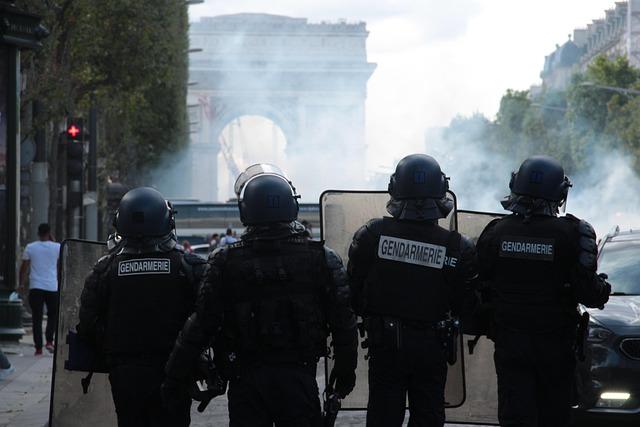
Tens of thousands of protesters took to the streets across France this week, demonstrating against recent government education reforms. The widespread unrest, which has brought educators, students, and unions together, forced authorities to make significant concessions in an effort to quell discontent. This article delves into the unfolding events, examining the causes behind the protests, the scale of participation, and the government’s response to mounting pressure.
France Education Protests Mobilize Tens of Thousands Across Major Cities
Across France, education sector employees, students, and union members have flooded the streets in a robust show of dissent against recent government policies perceived to undermine both public education funding and teachers’ working conditions. Major metropolitan areas including Paris, Lyon, and Marseille witnessed tens of thousands chanting slogans and carrying banners demanding increased investment in schools and resistance to curriculum changes introduced without adequate consultation. The protests, marked by organized marches and peaceful sit-ins, highlighted deep concerns over rising class sizes, deteriorating infrastructure, and staff shortages.
Responding to mounting pressure, government officials have signaled a willingness to reconsider key aspects of the reforms. Among the significant concessions proposed are:
- Increase in education budget allocations by 5% for the upcoming fiscal year.
- Implementation of a teacher recruitment program aimed at filling nearly 10,000 vacancies nationwide.
- Establishment of a stakeholder consultative council to guide future curricular reforms.
| City | Estimated Protesters | Key Demands |
|---|---|---|
| Paris | 15,000+ | Funding & Worker Rights |
| Lyon | 8,000+ | Class Size Reduction |
| Marseille | 7,500+ | Infrastructure Improvements |
Government Responds with Policy Concessions Amid Growing Public Pressure
In a significant move to ease tensions, French officials unveiled a series of policy amendments aimed at addressing the core demands of the protesters. Among the changes announced are increased funding for public schools, a revision of standardized testing procedures, and enhanced support for educators’ mental health programs. These measures seek to placate widespread dissatisfaction that has galvanized students, teachers, and parents alike across numerous cities.
Key elements of the government’s concessions include:
- Allocation of €500 million for upgrading school infrastructure over the next two years
- A moratorium on proposed budget cuts affecting secondary education
- Implementation of a task force to evaluate assessment methods within six months
- Expanded training and counseling services ensuring educator well-being
| Policy Area | Previous Plan | Revised Approach |
|---|---|---|
| School Funding | Reduced by 10% | Increased by 15% |
| Standardized Testing | Mandatory national exams | Postponed pending review |
| Teacher Support | Limited counseling services | Expanded comprehensive support |
Analyzing the Impact of Teacher Strikes on the National Education System
Recent teacher strikes across France have significantly disrupted classroom activities, bringing national attention to the systemic challenges facing the education sector. Schools nationwide experienced closures and reduced instructional hours, affecting millions of students and compelling education authorities to reconsider budget allocations and policy frameworks. The strikes underscored not only wage disputes but also broader concerns such as overcrowded classrooms, lack of resources, and teacher burnout.
The immediate consequences of these protests include:
- Interrupted learning schedules, leading to potential setbacks in curriculum progress.
- Heightened awareness among policymakers regarding frontline difficulties in education.
- Government concessions, including increased funding promises and negotiated salary increments.
The long-term impact remains under analysis, but such widespread mobilization has intensified dialogue on reforming national education priorities to better support teachers and students alike.
| Key Indicator | Pre-Strike | During Strike |
|---|---|---|
| Average Daily Attendance | 92% | 55% |
| Instructional Hours Lost | 0 hrs | 20 hrs |
| Government Budget Increase Proposal | €0M | €150M |
Recommendations for Sustainable Dialogue Between Educators and Authorities
To foster ongoing communication that bridges the gap between educators and authorities, establishing clear channels of dialogue is essential. These should include regular, structured meetings that encourage transparency and openness, allowing teachers to voice concerns without fear of retaliation. Mutual respect must form the foundation of these exchanges, with authorities recognizing the on-the-ground realities faced by educators while educators engage constructively with policy frameworks.
Practical steps to enhance this sustainable dialogue involve:
- Creating joint committees that include diverse teacher representatives and government officials to collaboratively shape education policy.
- Implementing feedback mechanisms where educators can submit ongoing suggestions and receive timely government responses.
- Training programs for both parties to develop negotiation skills, cultural competence, and an understanding of legal frameworks governing education.
Final Thoughts
As the protests continue to unfold across France, the government’s willingness to engage with demonstrators signals a critical juncture in the nation’s education policy. While concessions have been made, many activists remain vigilant, emphasizing that meaningful and lasting reforms require ongoing dialogue and action. The coming weeks will be pivotal in determining whether the momentum of public dissent translates into substantive change within France’s education system. POLITIS will continue to monitor developments closely, providing timely updates on this evolving story.