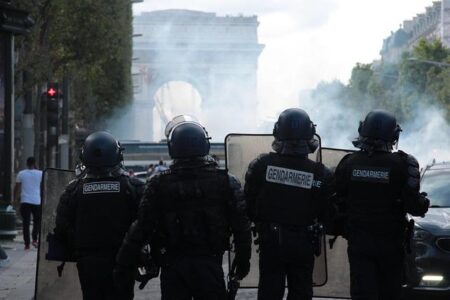
As France continues to welcome millions of travelers each year with its rich history, vibrant culture, and iconic landmarks, concerns about personal safety remain a priority for many visitors. While the country is generally safe, instances of petty crime and opportunistic theft can tarnish the experience for tourists unprepared for the nuances of travel security. In this article, World Nomads provides a comprehensive guide on how to avoid crime when traveling through France, offering practical tips and informed advice to help ensure a worry-free journey through one of Europe’s most beloved destinations.
Common Scams to Watch Out for in Popular French Tourist Destinations
Tourists in France’s bustling cities and picturesque towns are frequent targets for a variety of clever scams designed to relieve them of their valuables. In Paris, for instance, the “petite distraction” technique involves a scammer deliberately bumping into you or spilling a drink, creating a momentary distraction while an accomplice lifts your wallet or phone. Similarly, in busy markets and near landmark attractions, fraudsters often pose as friendly locals or charity workers, urging travelers to sign petitions or donate cash — only to disappear with their money. Awareness and vigilance are key to avoiding these deceptive tactics, especially in high-traffic areas where crowds can form easily.
Outside city centers, scams adapt to the environment but remain just as pervasive. Along the Côte d’Azur and other popular beach destinations, fake parking attendants may approach drivers for “fees” that don’t exist, or rental vendors might overcharge or provide faulty equipment. In rural wine regions, visitors might be lured into overpriced tastings or souvenir shops through persuasive pitches. To help you spot common tricks, here’s a quick reference:
| Scam Type | Typical Location | How to Protect Yourself |
|---|---|---|
| Petite Distraction | Paris landmarks, metro stations | Keep valuables secure, stay focused in crowds |
| Fake Charity Solicitations | Marketplaces, tourist hotspots | Politely decline, do not sign petitions |
| Phony Parking Attendants | Beach resorts, parking lots | Pay only at official kiosks, get receipts |
| Overpriced Tasting/Souvenirs | Wine regions, rural tourist shops | Research prices, ask locals for advice |
Essential Safety Tips for Navigating Public Transportation in France
While public transportation in France is generally efficient and safe, it’s crucial to stay vigilant—especially in busy metro stations and crowded buses where pickpocketing is prevalent. Always keep your valuables like wallets, smartphones, and passports well secured on your person, preferably in a front pocket or a money belt. Avoid displaying expensive electronics openly and be cautious when approached by overly friendly strangers or street vendors, as these can be distractions designed to facilitate theft. When using ticket machines, protect your PIN and review your card transactions regularly to spot any suspicious activity.
Familiarize yourself with common local scams and be mindful during late-night travel, where risks might slightly increase. Trust your instincts—if a situation feels off, move to a more populated area or seek assistance from station staff or uniformed security. Additionally, always have emergency contact numbers at hand, including the French police (112) and your country’s embassy. Keeping your composure and awareness sharp serves as your best defense, letting you navigate France’s stunning cities without incident.
How to Secure Your Belongings When Exploring Cities and Countryside
When wandering through bustling markets or quiet village streets in France, keeping your valuables safe requires vigilance and smart habits. Carry only what is necessary—credit cards over cash, and a copy of your passport instead of the original. Invest in a discreet money belt or neck pouch that remains hidden under your clothes. Always stay alert in crowded places, as pickpockets often target tourists distracted by their surroundings. Avoid flaunting expensive gadgets or large amounts of cash, which can inadvertently invite unwanted attention.
Utilizing local knowledge is equally crucial. Before exploring, ask your accommodation staff or locals about areas known for petty crime or unusual risks. When parking bikes or leaving your personal items unattended, opt for secure, monitored spots. Consider the following essentials to keep your possessions protected:
- Anti-theft backpacks with lockable zippers and slash-proof fabric
- Portable door alarms for added security in temporary lodgings
- RFID-blocking wallets to prevent electronic pickpocketing
- Backup photocopies of ID and important documents stored separately
| Scenario | Recommended Action | Risk Level |
|---|---|---|
| Crowded Metro Stations | Keep bags in front, avoid distractions | High |
| Outdoor Cafés | Use bag hooks or keep bags on lap | Medium |
| Rural Trails | Pack light, secure valuables tightly | Low |
Understanding Local Customs to Avoid Unwanted Attention and Risks
When navigating the vibrant streets of France, immersing yourself in local etiquette can significantly reduce the likelihood of misunderstanding or conflict. Simple gestures such as greeting with a polite “Bonjour” before engaging in conversation show respect and open doors to friendly interactions. Similarly, understanding dining customs—like waiting for the host to start eating or not rushing through meals—signals cultural appreciation, distancing you from unwanted attention. Avoiding loud public behavior, especially in historic or residential areas, protects travelers from being perceived as disruptive or careless.
Awareness of social norms extends to dress codes and public conduct, where modest attire in religious sites and discretion with valuables can prevent targeting by opportunistic thieves. Here’s a brief guide to keep in mind:
- Use formal titles, such as “Monsieur” or “Madame,” to show respect.
- Maintain a calm demeanor in crowded places like markets and transit stations.
- Avoid flashing expensive items such as jewelry or high-end cameras.
- Respect local customs regarding tipping or payments to avoid offending service staff.
Wrapping Up
In summary, while France remains a captivating destination rich in culture and history, travelers must remain vigilant to ensure their safety. Awareness of common scams, securing personal belongings, and staying informed about local conditions can significantly reduce the risk of falling victim to crime. By adopting these practical precautions, tourists can focus on enjoying the vibrant experiences France has to offer without unnecessary worry. As always, staying prepared and alert is key to turning any trip into a memorable and secure adventure.