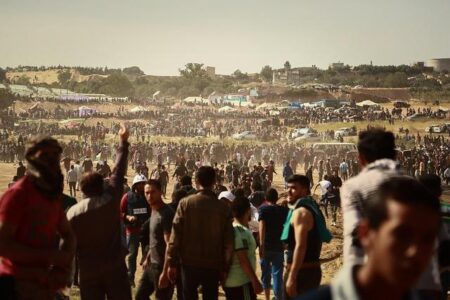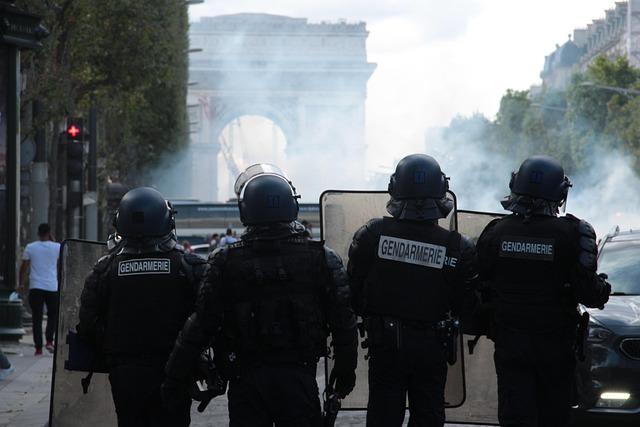
French lawmakers have come under intense scrutiny following the introduction of a controversial bill aimed at holding protesters financially accountable for damages caused during riots. Critics argue that the legislation, which seeks to make rioters pay for destruction linked to their demonstrations, poses a significant threat to democratic freedoms and the right to protest. As the bill sparks heated debate across France and draws attention from international observers, concerns escalate over its potential impact on civil liberties and the future of public dissent in one of Europe’s leading democracies.
Critics Raise Concerns Over French Bill Targeting Rioters and Its Impact on Civil Liberties
Opposition voices and civil rights advocates have expressed deep unease about recent legislation passed in France, which mandates financial penalties on individuals identified as rioters. Critics argue that this measure risks undermining essential civil liberties by imposing harsh punishments without sufficient judicial oversight. The bill’s broad and ambiguous definitions of “rioting” have raised alarms about potential abuses, including penalizing peaceful protestors or bystanders caught in the turmoil.
Leading concerns focus on:
- Due process violations – The expedited procedures could sideline standard legal protections.
- Disproportionate impact – Marginalized communities may bear the brunt of the enforcement.
- Chilling effect on free expression – Citizens may hesitate to engage in legitimate demonstrations.
| Aspect | Potential Risk | Critics’ View |
|---|---|---|
| Legal Enforcement | Limited judicial review | Encourages arbitrary fines |
| Public Safety | Deterrence of crime | May suppress peaceful protests |
| Social Impact | Community security | Increases societal divisions |
Analysis of the Bill’s Potential Effects on Protest Rights and Democratic Principles
The proposed French legislation has ignited a fierce debate over its implications for civil liberties, with critics arguing that the bill poses a serious threat to the fundamental right to protest. By imposing stringent financial penalties on individuals deemed responsible for damage during demonstrations, opponents fear it could create a chilling effect that discourages peaceful assembly and dissent. This approach, they caution, risks conflating legitimate protest with criminal activity, thereby undermining the vibrancy of democratic engagement.
Key concerns highlighted by experts include:
- Blurred Lines: The bill’s vague criteria could lead to disproportionate punishment of protesters, including those uninvolved in violence.
- Deterrence of Dissent: Financial liabilities may deter citizens from exercising their right to voice grievances publicly.
- Democratic Erosion: Overreach might set a precedent that weakens protections for free expression and assembly.
| Potential Impact | Description |
|---|---|
| Increased Legal Risks | Protesters face unpredictable financial penalties. |
| Reduced Civic Participation | Fear of punishment may suppress protest turnout. |
| Judicial Ambiguity | Law enforcement discretion could widen. |
Legal Experts Highlight Challenges in Enforcing Financial Penalties for Civil Unrest
Legal experts caution that implementing financial penalties on individuals involved in civil unrest presents significant hurdles. The primary challenge lies in accurately identifying rioters amidst chaotic crowds, which could lead to wrongful fines and legal disputes. Additionally, questions arise regarding the equivalence of fines and the capacity of individuals to pay, raising concerns about disproportionate impacts on marginalized communities. Several experts argue that such measures risk undermining fundamental democratic rights, including the freedom to protest without fear of punitive economic consequences.
Complications extend beyond identification to enforcement logistics, with authorities potentially overwhelmed by the scale of civil disturbances. The table below outlines key concerns voiced by legal professionals regarding this approach:
| Issue | Potential Impact |
|---|---|
| Evidence Reliability | Risk of incorrect identification and legal appeals |
| Financial Disparity | Disproportionate burdens on low-income individuals |
| Democratic Freedoms | Chilling effect on lawful protest and assembly |
| Administrative Burden | Overload on legal and enforcement systems |
Recommendations for Balancing Security Measures with Protection of Democratic Freedoms
To effectively navigate the tension between enhancing public safety and safeguarding civil liberties, policymakers must adopt a nuanced approach that does not compromise democratic values. Transparent legislative processes are critical, ensuring that laws targeting disruptive behavior during protests clearly define what constitutes unlawful actions without criminalizing peaceful dissent. Furthermore, engaging with independent human rights organizations during bill drafting can provide balanced perspectives and help prevent potential overreach.
Practical steps to uphold this balance include:
- Regular judicial review: Enabling courts to oversee enforcement measures and provide checks on executive power.
- Clear accountability mechanisms: Holding law enforcement and government bodies responsible for any abuse or misuse of powers.
- Public education campaigns: Informing citizens of their rights during protests to promote lawful participation and reduce misunderstandings.
| Measure | Democratic Safeguard |
|---|---|
| Targeted financial penalties | Clearly specify criteria to avoid broad application |
| Enhanced surveillance powers | Subject to independent monitoring and regular audits |
| Restrictions on assembly | Must not impede peaceful, lawful protest activities |
To Wrap It Up
As France grapples with mounting unrest and calls for accountability, the contentious bill imposing financial penalties on rioters continues to ignite fierce debate. Critics argue it undermines democratic principles and civil liberties, while supporters contend it is a necessary measure to restore order. The unfolding controversy underscores the broader struggle between maintaining public security and preserving fundamental rights in a rapidly changing political landscape. Observers in the U.S. and beyond will be closely watching how this legislation shapes France’s approach to civil protest and governance in the months to come.