Introduction:
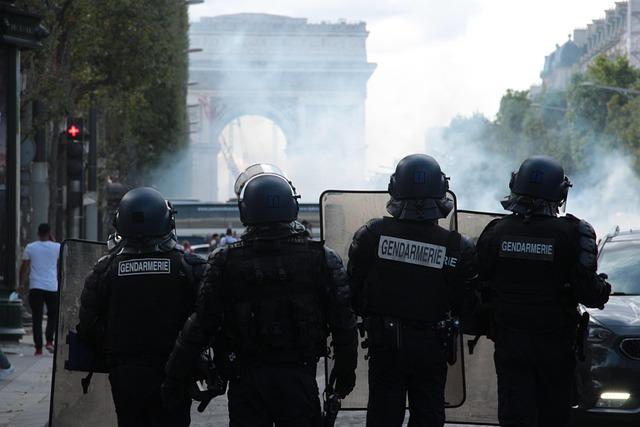
In a wave of protests sweeping across France, over 1,300 individuals have been arrested as tensions escalate in response to a range of social and political grievances. The demonstrations, marked by large crowds and intense confrontations with law enforcement, underscore a growing discontent among citizens regarding issues such as economic inequality, labor reforms, and government policies. As the protests unfold in major cities, authorities are bracing for further unrest, raising questions about the future of civil discourse in the country. This article delves into the background and motivations behind the demonstrations, the government’s stance, and the implications of this pervasive unrest within French society.
Protests Erupt Across France Amid Rising Tensions
In a significant escalation of social unrest, cities across France witnessed widespread protests that culminated in the arrest of over 1,300 individuals this past weekend. The demonstrations, which began peacefully, quickly transformed into clashes with law enforcement as tensions surged over issues ranging from rising living costs to widespread dissatisfaction with government policies. Protesters expressed their frustrations through various acts of civil disobedience, including blockades, marches, and sit-ins in major urban centers such as Paris, Marseille, and Lyon.
As the protests spread, many citizens took to the streets to voice their concerns. The following points summarize the primary grievances fueling the unrest:
- Increased living expenses: Many families are struggling to meet the rising costs of everyday goods.
- Government austerity measures: Cuts to public services have angered many, particularly in education and health.
- Social inequality: Many protesters highlight the growing gap between the wealthy and the working class.
Authorities have responded with a heavy police presence, and tensions continue to simmer as communities search for solutions. The situation remains dynamic, with further protests anticipated in the coming days as activists rally to amplify their voices.
Analysis of Arrests and Their Impact on Civil Liberties
The recent wave of protests in France, resulting in the arrest of over 1,300 individuals, has sparked significant discussions regarding civil liberties and law enforcement practices. Critics argue that the government’s response to the demonstrations has often bordered on excessive, raising questions about the balance between maintaining public order and protecting citizens’ rights. As legal experts highlight, the right to protest is a fundamental aspect of a democratic society, yet the tactics employed during these mass arrests may strain that right, leading to potential infringements on freedom of expression.
Data reflecting the nature of these arrests indicates a concerning trend towards preemptive detention and police crackdowns that may undermine civil liberties. Key points include:
- Increased police presence: Heightened security measures have transformed peaceful protests into confrontations.
- Mass detentions: A significant number of arrests made without clear justifications, leading to allegations of arbitrary enforcement.
- Legal repercussions: Many detainees report difficulties in accessing legal representation and navigating the judicial process.
As the situation evolves, the impact of these arrests on public perception and engagement in civic actions remains to be seen, but the implications for civil liberties are profound and potentially lasting.
Government Response: Addressing the Causes of Unrest
In response to the escalating protests across France, the government has initiated a series of measures aimed at addressing the root causes of civil unrest. Among the key steps being discussed are:
- Increased Dialogue: Establishing more direct channels of communication with community leaders to better understand their concerns.
- Social Programs: Introducing initiatives focused on education, job creation, and housing to alleviate socioeconomic distress.
- Policy Revisions: Reviewing existing laws and regulations that may contribute to public discontent, particularly those related to policing practices.
Furthermore, the government is organizing town hall meetings across major cities to foster engagement and inform the public about proposed reforms. A recent survey aims to gather data on public sentiment regarding these initiatives. The results will be crucial in shaping effective responses. The government has also set up a task force dedicated to monitoring and evaluating the impact of these measures. Below is a summary of the proposed actions:
| Measure | Description |
|---|---|
| Dialogue Initiatives | Engagement with community leaders to address concerns. |
| Social Programs | Education, jobs, and housing initiatives. |
| Policy Revisions | Review policing laws and community relations. |
| Public Engagement | Town hall meetings to gather feedback. |
Recommendations for Future Protests and Public Safety Measures
To mitigate the risks associated with large-scale protests and enhance public safety, several recommendations can be established. Clear communication between organizers, law enforcement, and participants is essential. This can be achieved through:
- Utilizing social media platforms to share real-time updates.
- Establishing designated information points during events.
- Organizing pre-protest briefings to convey expectations and protocols.
Moreover, implementing structured crowd management strategies can significantly reduce tensions and potential conflicts. Key measures to consider include:
- Designating safe zones to protect vulnerable groups.
- Utilizing trained mediators to facilitate dialogue between conflicting parties.
- Adopting appropriate de-escalation techniques informed by community input.
| Measure | Description |
|---|---|
| Emergency Response Team | A dedicated unit to address medical and safety needs. |
| Mobile Communication Units | Tools to maintain connectivity and disseminate information. |
| Community Engagement | Involving locals in planning and decision-making processes. |
The Conclusion
In summary, the recent wave of unrest in France has resulted in the arrest of over 1,300 individuals as demonstrators took to the streets to voice their discontent. Sparked by various socio-economic issues and government policies, the protests have drawn widespread attention both nationally and internationally. While authorities aim to maintain order, many protesters express a deep-seated frustration with the current state of affairs, signaling a growing divide within the country. As the situation continues to evolve, the implications for France’s political landscape remain to be seen, with calls for dialogue and reform becoming increasingly urgent. The eyes of the world will be closely monitoring how the French government responds to these ongoing challenges.