France has been rocked by its most intense wave of rioting in years, igniting widespread unrest across multiple cities. The unrest erupted following a series of incidents that tapped into deep-seated frustrations over social inequality, policing, and government policies. As flames and clashes swept through urban neighborhoods, officials confronted the dual challenge of restoring order while addressing the underlying causes of the upheaval. This report examines the origins of the rioting and details the government’s response as the nation grapples with the fallout.
France’s Worst Riots in Years Ignite Following Police Violence Allegations
In the wake of shocking allegations of police brutality, cities across France have become flashpoints of unrest rarely seen in recent decades. What began as peaceful protests quickly escalated into widespread chaos, with tens of thousands taking to the streets demanding justice and systemic reform. Major urban centers including Paris, Lyon, and Marseille witnessed violent confrontations between demonstrators and law enforcement, marked by looting, arson, and clashes with riot police. The intensity of the unrest underscored deep-rooted societal tensions around issues of inequality, police accountability, and civil rights.
The French government’s response combined both firm law enforcement measures and attempts at dialogue. Key actions taken include:
- Deployment of over 5,000 riot officers to hotspot areas to restore order.
- Curfews imposed in several major cities to curb nighttime violence.
- Launch of an independent inquiry into the allegations to ensure transparency.
- Public addresses by President and Interior Minister promising reforms and increased police training.
| City | Protesters | Injuries Reported | Curfew Hours |
|---|---|---|---|
| Paris | 15,000+ | 28 | 9 PM – 5 AM |
| Lyon | 8,500 | 17 | 10 PM – 5 AM |
| Marseille | 6,000 | 12 | 9 PM – 6 AM |
Government Deploys Security Forces Amid Widespread Unrest and Vandalism
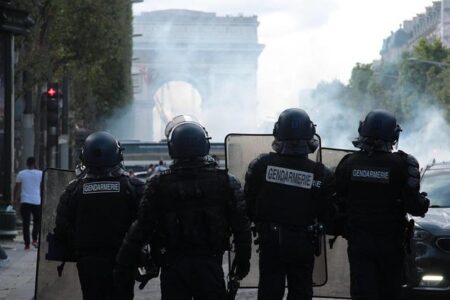
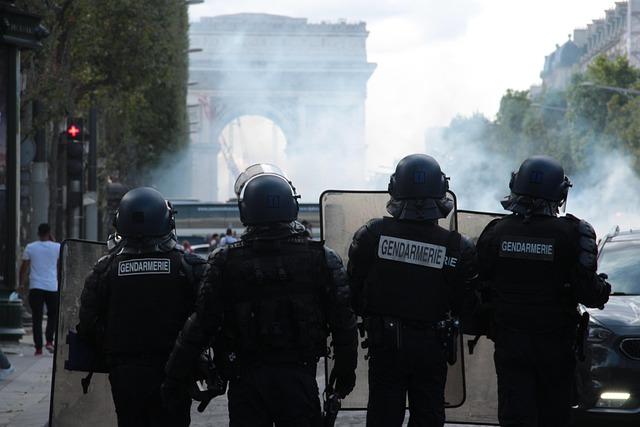
In response to escalating unrest that swept through numerous cities, the French government mobilized thousands of security personnel to restore order. Authorities deployed riot police, armored vehicles, and surveillance drones in key urban areas heavily impacted by violence and vandalism. Public transport networks were temporarily suspended, and emergency curfews imposed in hotspot neighborhoods. Officials emphasized that the deployment aimed not only to quell the immediate chaos but also to prevent further damage to public and private property.
Security forces have been tasked with multiple objectives, including:
- Maintaining public safety through visible presence and rapid intervention
- Protecting critical infrastructure such as schools, hospitals, and transportation hubs
- Engaging with community leaders to facilitate dialogue and reduce tensions
| Security Force | Role | Deployment Areas |
|---|---|---|
| Riot Police | Crowd control and rapid response | Paris, Lyon, Marseille |
| Armored Units | Protection of strategic locations | Paris financial district, key transport hubs |
| Surveillance Teams | Monitoring and intelligence gathering | Multiple urban centers |
Analysis of Social and Economic Factors Fueling the Wave of Protests
The recent protests in France have been propelled by a complex interplay of social and economic challenges that have long simmered beneath the surface. High unemployment rates, especially among the youth and marginalized communities, have intensified feelings of disenfranchisement and frustration. The sharp rise in living costs, including housing, fuel, and essential goods, has placed additional strain on lower and middle-income families. These pressures have been met with a perception that government policies disproportionately favor the affluent, further alienating large segments of the population. The result is a volatile mix where economic insecurity meets social inequality, creating fertile ground for widespread unrest.
Adding to the turmoil are structural issues such as strained public services and limited access to education and healthcare in suburban and rural areas, which have fueled resentment especially in the banlieues around major cities. The government’s response has been a balancing act, attempting to restore order while addressing some of the protesters’ demands. Below is a summary of key factors driving the unrest:
- Youth Unemployment: Persistent double-digit rates affecting future prospects.
- Cost of Living: Inflation outpacing wage growth across essential sectors.
- Social Inequality: Widening gap between urban elites and suburban peripheries.
- Public Services: Underfunding and accessibility challenges in critical areas.
| Economic Indicator | Current Level | Year-on-Year Change |
|---|---|---|
| Youth Unemployment | 19.6% | +1.2% |
| Inflation Rate | 6.8% | +0.9% |
| Median Income Growth | 2.3% | -0.5% |
Recommendations for Restoring Public Trust and Preventing Future Violence
The government must prioritize rebuilding public trust by actively engaging with communities most affected by unrest. This includes establishing regular dialogue forums where citizens can voice their concerns and collaborate on solutions. Transparency in law enforcement actions and decision-making processes will also play a crucial role in mending fractured relationships. Additionally, investing in community-led programs focused on youth employment and education can address the underlying socio-economic disparities that often fuel discontent.
Prevention of future violence hinges on a multifaceted strategy combining effective policing with social policies. Key recommendations include:
- Enhanced training for law enforcement on de-escalation techniques and cultural sensitivity.
- Improved mental health support and conflict mediation services accessible at the community level.
- Robust early warning systems leveraging local intelligence to anticipate tensions before they escalate.
- Investment in urban renewal to revitalize neighborhoods prone to unrest.
| Measure | Objective | Timeline |
|---|---|---|
| Community Forums | Foster trust and communication | Ongoing |
| Police Training Enhancement | Reduce use of force incidents | 6-12 months |
| Urban Renewal Projects | Economic revitalization | 1-3 years |
| Early Warning Systems | Prevent escalation | 3-6 months |
Closing Remarks
As France grapples with the fallout from some of its most intense rioting in recent years, the government’s response underscores the challenges of balancing public order with underlying social grievances. While authorities have vowed to restore calm and pursue accountability, the unrest highlights deep-seated tensions that will require sustained dialogue and policy attention moving forward. The coming weeks will be critical in determining whether measures taken can prevent further escalation and pave the way for reconciliation across affected communities.