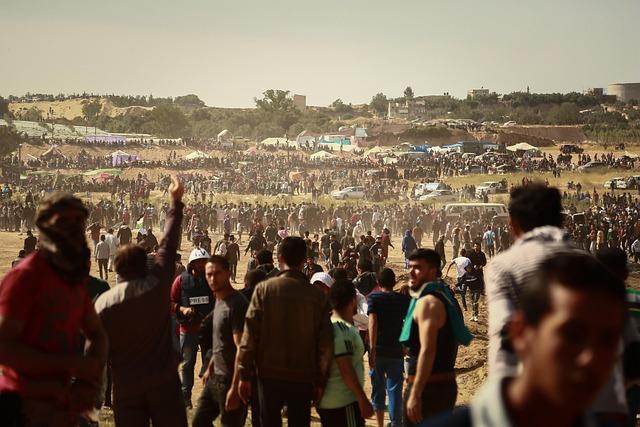
Mass protests across France have escalated into some of the most violent riots the country has seen in years, as clashes between demonstrators and law enforcement intensify. What began as widespread demonstrations have spiraled into chaotic scenes of unrest, prompting a heavy police response and causing significant disruption in several cities. This surge of violence marks a dramatic escalation in public dissent, raising concerns about social stability and the government’s ability to manage the ongoing crisis.
Mass Protests in France Escalate as Clashes with Police Intensify
Scenes of chaos erupted in major French cities as thousands of protesters took to the streets, opposing recent government policies. What began as peaceful demonstrations rapidly descended into violent confrontations, with reports of fires, vandalism, and widespread disorder. Police forces responded with tear gas and water cannons in an attempt to disperse the crowds, but clashes intensified throughout the evening, resulting in numerous injuries and arrests. Authorities have condemned the violence but stressed their commitment to upholding public order amid rising tensions.
The unrest has been fueled by discontent over economic reforms, with demonstrators highlighting concerns such as:
- Rising living costs and wage stagnation
- Unemployment rates, particularly among youth
- Perceived erosion of social protections
Local governments have deployed additional security personnel to hotspot areas as the situation remains volatile. Below is a snapshot of the impact across key cities:
| City | Protesters Estimated | Number of Arrests | Reported Injuries |
|---|---|---|---|
| Paris | 10,000+ | 150 | 45 |
| Lyon | 5,000 | 60 | 20 |
| Marseille | 4,500 | 40 | 15 |
Economic and Social Factors Fueling the Unrest Across Major Cities
Government Response Faces Criticism Amid Calls for Dialogue and Reform
The administration’s handling of the escalating unrest has drawn widespread condemnation from various corners of society. Critics argue that the government’s reliance on heavy-handed police tactics and emergency laws has only fueled public anger rather than calming tensions. Calls for a more inclusive dialogue have intensified, with activists, union leaders, and local officials urging authorities to engage directly with protestors and address core grievances related to economic inequality and social justice.
Amid growing pressure, opposition parties have presented a set of reform proposals aimed at creating a framework for constructive conversation and policy change. Key measures advocated include:
- Establishing a national dialogue commission to facilitate transparent communication between the state and citizens.
- Reviewing law enforcement protocols to ensure accountability and restraint in managing public demonstrations.
- Implementing targeted social programs focused on employment, education, and housing reforms.
| Proposed Reform | Expected Impact | Status |
|---|---|---|
| National Dialogue Commission | Improved trust and cooperation | Under review |
| Police Protocol Review | Reduced violence at protests | Planned |
| Social Program Expansion | Address root economic causes | Pending approval |
Security Experts Recommend Enhanced Community Engagement and Policing Strategies
In response to the escalating unrest witnessed across multiple cities, security specialists emphasize the need for a multi-layered approach that prioritizes dialogue alongside enforcement. Experts argue that fostering trust within communities can significantly reduce tensions and potential flashpoints. This involves creating robust channels for communication, where grievances are heard and addressed promptly through local forums and dedicated liaison officers.
Key recommendations include:
- Deploying community policing units trained in conflict de-escalation
- Enhancing youth engagement programs to address systemic disenfranchisement
- Implementing transparent oversight mechanisms to build public confidence in law enforcement
| Strategy | Objective | Expected Outcome |
|---|---|---|
| Community Policing | Build trust and reduce violence | Increased cooperation with law enforcement |
| Youth Engagement | Address root causes of unrest | Lowered participation in protests turning violent |
| Transparency Measures | Improve accountability | Higher public trust indices |
In Summary
As the mass protests in France continue to escalate into some of the most severe riots witnessed in recent years, authorities face mounting challenges in restoring order while addressing widespread public grievances. The unfolding situation remains fluid, with both officials and demonstrators bracing for what could be a prolonged period of unrest. Further updates will follow as the story develops.