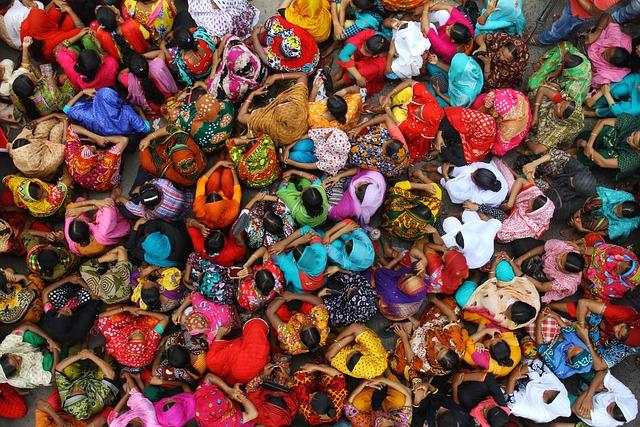
Tensions have escalated across France as widespread school protests continue to disrupt daily life, drawing attention to deep-rooted frustrations within the country’s education system. What began as student demonstrations against recent government reforms have evolved into a broader expression of discontent, encompassing teachers, parents, and unions. This article explores the underlying causes of the unrest, examining the social, economic, and political factors fueling anger among educators and young people alike. Amid growing calls for change, the protests highlight the challenges facing France’s schools and the urgent need for dialogue and reform.
The impact of education reforms on students and teachers
Education reforms in France have triggered significant upheaval within schools, deeply affecting both students and teachers. The sweeping changes to curriculum structure, assessment methods, and resource allocation have been met with widespread frustration. Many activists argue that these reforms have increased pressure on students, disrupting their learning environments and contributing to greater stress levels. Teachers, already grappling with heavy workloads, face heightened challenges in adapting to new pedagogical demands without adequate support. These reforms risk exacerbating inequalities, with disadvantaged students potentially losing critical access to tailored educational opportunities.
Resistance has also galvanized educators and students into unified action, illustrating the profound social impact of the policy shifts. The following table summarizes some reported effects in classrooms and staffrooms:
| Impact | Students | Teachers |
|---|---|---|
| Workload | Increased assignments and standardized tests | Longer hours and additional administrative duties |
| Morale | Lowered motivation due to pressure | Diminished job satisfaction and burnout risk |
| Support | Reduced personalized attention | Insufficient training for new reforms |
- Student voices have become central in protests, highlighting concerns over their mental health and future prospects.
- Teachers advocate for more dialogue with policymakers to ensure reforms meet classroom realities.
- Community groups emphasize the need for equitable resource distribution to bridge new divides created by reforms.
Socioeconomic factors fueling the nationwide unrest
Economic disparities play a significant role in fueling the nationwide unrest, as many families grapple with declining living standards and rising costs. Youth unemployment remains stubbornly high, especially in economically disadvantaged regions, leaving many young people disillusioned about their future prospects. These conditions have created an environment of frustration where educational reforms are perceived not just as policy changes but as an additional burden on already strained communities.
Key socioeconomic pressures exacerbating the situation include:
- High youth unemployment: Limited job opportunities intensify anxieties about post-school pathways.
- Widening income inequality: Marginalized groups feel increasingly excluded from economic progress.
- Rural and urban divides: Access to quality education and services remains uneven across regions.
- Erosion of social safety nets: Cuts to public spending have reduced support mechanisms for struggling families.
| Factor | Impact on Youth | Regional Disparity |
|---|---|---|
| Youth Unemployment | Increased anxiety about future | Higher in rural and suburban areas |
| Income Inequality | Reduced social mobility | Concentrated in urban peripheries |
| Social Services Cuts | Greater pressure on families | Widespread but uneven impact |
Government response and the public’s demand for dialogue
The French government has taken a firm stance amid escalating school protests, emphasizing the necessity of maintaining educational standards and discipline. Officials have voiced concerns about the disruptions caused by strikes and demonstrations, warning that prolonged unrest could harm students’ academic progress. However, this approach has been met with criticism as many feel it overlooks the underlying grievances voiced by the youth and educators alike.
In response, there is a growing call from the public, unions, and activists for a more inclusive and transparent dialogue. Key demands include:
- Greater student representation in decision-making processes.
- Open forums for teachers, parents, and students to discuss reforms.
- Policy reviews addressing socioeconomic disparities affecting education quality.
- Commitment to long-term investments in schools and teacher support.
Without addressing these demands, the risk of further disenchantment looms large, as demonstrated in the recent surge of youth mobilization across cities.
| Stakeholder | Government Position | Public Demand |
|---|---|---|
| Students | Maintain curriculum rigor | More voice in reforms |
| Teachers | Support for discipline measures | Improved working conditions |
| Parents | Emphasis on stability | Transparency in policy changes |
Strategies for addressing grievances and fostering school unity
Addressing the root causes of discontent among students requires a proactive approach rooted in dialogue and empathy. Educational institutions can implement confidential grievance channels, ensuring students feel safe to express concerns without fear of retribution. Peer mediation programs can empower students to resolve conflicts constructively while fostering mutual respect. Additionally, regular forums involving students, teachers, and administrators create a space where voices are heard and collaborative solutions are developed.
Building school unity in the context of widespread protests also demands deliberate efforts to celebrate diversity and shared goals. Initiatives such as inclusive cultural events and collaborative community projects nurture a collective identity that transcends individual frustrations. Below is a concise overview of potential strategies to mend fractures and cultivate solidarity:
| Strategy | Purpose | Outcomes |
|---|---|---|
| Open Dialogue Sessions | Encourage transparent communication | Improved trust and understanding |
| Student-Led Committees | Give students ownership | Enhanced engagement and responsibility |
| Conflict Resolution Workshops | Equip with mediation skills | Reduction in confrontations |
| Cultural and Arts Initiatives | Celebrate diversity | Stronger community bonds |
In Retrospect
As the protests continue to ripple across France, the underlying issues driving the unrest remain complex and deeply rooted in broader social and economic challenges. What began as opposition to proposed education reforms has evolved into a wider expression of frustration among students, educators, and families alike. Understanding the multifaceted causes behind the anger is essential for policymakers aiming to address the concerns and restore stability within the education system. The coming weeks will be critical in determining whether dialogue can bridge the divide or if the protests will signal a more profound call for change.