How Could Droughts in France Affect Your Summer Holiday?
As summer approaches, millions of tourists eagerly plan their getaways to France, drawn by its picturesque landscapes, world-renowned cuisine, and vibrant culture. However, this year, an increasingly alarming issue looms over those plans: drought. With parts of the country experiencing record low rainfall and parched conditions, the implications for holidaymakers could be profound. From restricted access to natural attractions and diminished water sports activities to potential food shortages and increased prices, understanding the impact of drought on France’s summer tourism landscape has never been more crucial. In this article, we delve into the current situation, exploring how droughts could reshape travel experiences across this beloved destination.
Impact on Local Agriculture and Food Supplies
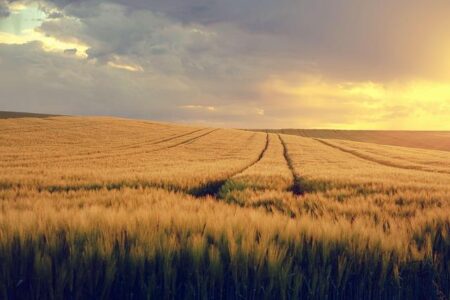
The severity of droughts in France poses serious implications for local agriculture, affecting both crop yields and livestock production. With water scarcity, farmers may face significant challenges in irrigating their fields, leading to reduced harvests of vital crops such as wheat, grapes, and vegetables. This downturn in agricultural output not only jeopardizes the farmers’ livelihood but can also ripple through the national food supply chain. To quantify the impact, consider the potential decrease in production:
| Crop Type | Typical Yield (tonnes/ha) | Estimated Drop Due to Drought (%) |
|---|---|---|
| Wheat | 7 | 30% |
| Grapes | 10 | 25% |
| Vegetables | 15 | 40% |
The ramifications for consumers are profound. As local supplies diminish, price inflation becomes inevitable, translating to higher costs for food staples in supermarkets and farmers’ markets throughout the region. Tourists looking to enjoy authentic French cuisine will find that the availability of fresh produce is compromised, leading to a reliance on imported goods. This situation not only impacts daily dining experiences but also threatens to alter the traditional culinary aspects that draw countless visitors to France every summer.
Changes in Travel Itineraries and Outdoor Activities
The ongoing droughts in France are having a significant impact on travel itineraries and outdoor activities, compelling travelers to rethink their plans for the summer. As picturesque landscapes dry up, some popular tourist spots may face restrictions or reduced accessibility. Travelers can expect adjustments in the availability of certain outdoor pursuits, particularly those that rely heavily on water bodies. Key changes include:
- Cancellation of water sports: Activities such as jet skiing, sailing, and swimming in lakes may be limited due to low water levels.
- Alteration of hiking routes: Trails near water bodies might be closed or rerouted, affecting planned excursions.
- Increased demand for alternative attractions: Cultural sites and indoor experiences, like museums and galleries, may see a surge as outdoor options diminish.
In response, local tourism boards are actively updating their offerings and promoting alternative activities that are less susceptible to the effects of drought. This includes cycling tours through vineyards, wine tastings, and culinary experiences that highlight regional cuisine. Here’s a brief overview of potential substitutes for popular outdoor activities:
| Outdoor Activity | Alternative Experience |
|---|---|
| Kayaking on lakes | Culinary tours featuring local specialties |
| Beach lounging | Winery visits with tasting sessions |
| Guided nature walks | Historical site explorations |
Health Risks from Exposure to Heat and Dust
The increasing temperatures and prolonged dry spells associated with droughts in France pose significant health risks due to heightened exposure to heat and airborne dust. As summer heatwaves intensify, individuals—especially vulnerable populations such as the elderly and those with pre-existing health conditions—may experience serious complications. In particular, the combination of excessive heat and dusty environments can lead to a myriad of health issues, including:
- Heat Exhaustion: Symptoms can escalate from fatigue and headache to severe dehydration.
- Respiratory Problems: Dust particles can exacerbate respiratory diseases like asthma and bronchitis.
- Skin Irritation: Prolonged sun exposure and dust can cause rashes or sunburn.
This dual exposure can overwhelm public health systems, particularly in tourist-heavy regions. Travelers should remain aware of local advisories related to heat and dust pollution. It is recommended to take proactive measures, such as:
- Staying Hydrated: Carry water bottles and consume fluids regularly.
- Wearing Protective Gear: Use masks and sunglasses to shield against dust.
- Avoiding Peak Hours: Limit outdoor activities during the hottest parts of the day.
| Health Risk | Symptoms | Preventive Measures |
|---|---|---|
| Heat Stroke | Fever, confusion, loss of consciousness | Seek shade, hydrate frequently |
| Allergic Reactions | Itching, sneezing, difficulty breathing | Limit outdoor exposure, use air filters |
Tips for Responsible Tourism During Drought Conditions
As drought conditions intensify across France, it is crucial for travelers to adopt sustainable practices to minimize their impact on local environments. Visitors should focus on water conservation by being mindful of their consumption. Simple actions like taking shorter showers, refraining from unnecessary laundry, and opting for restaurants that practice sustainable water management can make a significant difference. Choosing to engage in activities that support local conservation efforts rather than water-intensive leisure can also help maintain balance in affected areas.
Furthermore, if you’re planning to explore the French countryside or popular tourist sites, consider participating in eco-friendly accommodations and travel services. Select hotels that utilize rainwater harvesting systems or have implemented eco-friendly policies. Also, educate yourself about the local communities and their challenges during dry periods, fostering a deeper connection and respect for the places you visit. Here’s a quick look at some responsible travel choices:
| Travel Choices | Benefits |
|---|---|
| Stay in Eco-Accommodations | Supports local initiatives and reduces resource depletion |
| Participate in Local Programs | Fosters community support and awareness |
| Travel Off-Peak | Minimizes strain on local resources |
By aligning travel plans with sustainability principles, tourists can enjoy a fulfilling experience while helping safeguard France’s natural beauty during these challenging drought conditions.
To Wrap It Up
As summer approaches, the looming threat of drought in France poses significant implications for vacationers planning to bask in the country’s renowned landscapes and culture. From potential water shortages impacting rural areas to restrictions on leisure activities, travelers should remain informed about how environmental changes could alter their experiences. With sustainable tourism becoming increasingly vital, understanding these dynamics will not only enhance holiday plans but also encourage mindful engagement with the regions they visit. As the situation evolves, keeping a pulse on updates will empower tourists to adapt and enjoy their summer escapes, ensuring that the beauty of France remains accessible for all, even in challenging times.