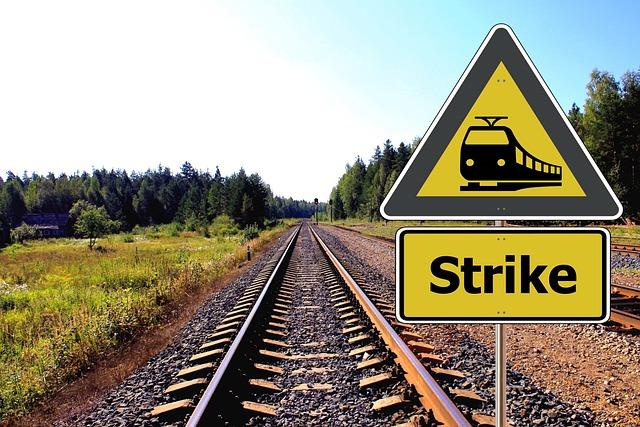
French Unions Mobilize Across Sectors as Budget Proposal Draws Near
In a significant display of solidarity, unions across France have called for strikes spanning multiple sectors in response to an impending budget proposal from the government. As workers unite to voice their concerns over wage stagnation, job security, and the rising cost of living, the strikes have begun to disrupt transportation, education, and healthcare services nationwide. With tensions mounting between labor organizations and government officials, the outcome of this labor action could have lasting implications for both economic policy and social stability in the country. As the budget proposal looms, all eyes are on the streets of France, where workers are demanding a more equitable distribution of economic resources amidst challenging fiscal realities.
Unions Mobilize in Response to Budget Proposal Crisis
In a dramatic display of solidarity, French unions have organized widespread strikes across multiple sectors as the government prepares to unveil its contentious budget proposal. Workers from industries such as transportation, education, and healthcare have united to express their dissatisfaction with anticipated austerity measures that threaten job security and social welfare programs. Protesters filled the streets of major cities, chanting slogans and waving banners that demand a fairer allocation of resources and the protection of workers’ rights.
As the pressure mounts, several labor leaders have emphasized the need for a cohesive resistance against perceived government overreach. Key demands include:
- Job Security: Protecting employment amidst budget cuts.
- Fair Wages: Ensuring living wages for all workers.
- Public Services: Maintaining robust funding for essential services.
The impending budget proposal has sparked fears of deep cuts, raising questions about the future of various public sectors. In light of this, union representatives are calling for an urgent dialogue with governmental officials to explore viable alternatives that avoid detrimental impacts on French workers and society as a whole.
| Sector | Impact of Strikes |
|---|---|
| Transportation | Delays and cancellations of services |
| Education | School closures and canceled classes |
| Healthcare | Reduced staffing and patient services |
Impact on Key Sectors: Transportation and Education at a Standstill
The ongoing strikes orchestrated by French unions have brought critical sectors like transportation and education to a grinding halt. With the looming budget proposal, train and bus services across major cities have been significantly disrupted, leading to chaos for commuters. Many travelers find themselves stranded, as the transit authority cancels routes and reduces frequencies. Key transportation hubs, including Gare de Lyon and Gare Saint-Lazare, are experiencing delays of up to several hours, while air travel is also affected with numerous flights grounded or rescheduled.
Simultaneously, students and educators are feeling the impact of the strikes, with schools across the nation closing their doors. The disruption has resulted in a significant loss of instructional time, prompting concerns among parents and educators about the long-term implications for student learning outcomes. The situation is dire, as institutions are forced to cancel assessments and revise academic calendars. In an effort to quantify the effects, here is a brief overview of the situation across the two sectors:
| Sector | Current Status | Estimated Impact |
|---|---|---|
| Transportation | Services suspended or delayed | Thousands affected daily |
| Education | Schools closed nationwide | Loss of instructional time |
Worker Sentiment and Public Support for Strikes Intensify
As the wave of strikes gains momentum across France, the public’s empathy towards the workforce has grown increasingly palpable. Recent surveys indicate that a significant portion of the populace stands in solidarity with the striking sectors. Workers cite grievances related to wage stagnation, working conditions, and job security as primary motivators for their actions. An overwhelming majority of respondents express their belief that labor strikes are a vital means of reclaiming rights and addressing systemic inequalities in the workplace.
Union leaders emphasize that the current budget proposal, set to unveil comprehensive economic policies, has been a catalyst for these strikes. The collective demand for improved working conditions and compensation is echoed in multiple sectors, including healthcare, education, and public transport. A recent poll reveals the following sentiments among the striking workers and public support:
| Sector | Support Level (%) | Key Issues |
|---|---|---|
| Healthcare | 82 | Wages, Staffing |
| Transportation | 75 | Job Security, Hours |
| Education | 68 | Funding, Pay Equity |
This growing alignments illustrate a pivotal moment in labor relations, with the public increasingly recognizing the impact of these strikes on everyday life and the importance of sustaining momentum for meaningful reform.
Potential Solutions: Government Engagement and Dialogue Pathways
Amid heightened tensions between the government and various labor unions, fostering dialogue may serve as a vital avenue for resolution. Stakeholder engagement is imperative, as both sides must recognize the importance of an open channel for communication. This engagement could take the form of scheduled meetings, public forums, and roundtable discussions tailored to emphasize the shared goals of economic stability and social welfare. By introducing an adaptable framework for dialogue, the government can potentially align its budgetary proposals with the expectations and concerns of union representatives, thereby reducing hostility and fostering a collaborative spirit.
Additionally, creating platforms for dialogue focused on key issues such as wage equality, benefits, and working conditions could bridge gaps between conflicting interests. Possible measures include:
- Establishing a task force with representatives from both the government and unions to facilitate ongoing discussions
- Conducting surveys to gather public opinion on proposed budget changes
- Organizing community forums to inform and involve citizens in the budgeting process
Supporting this approach through transparency and active participation would not only reassure union members but could also result in public backing for the government’s fiscal policy. The impact of these measures could lead to a more harmonious workplace environment, ultimately benefiting the broader economy.
Final Thoughts
As France braces for a potentially contentious budget proposal, the widespread strikes orchestrated by unions across various sectors underline a growing discontent among workers. From transportation to healthcare, employees are voicing their concerns over proposed cuts and the implications for public services. As negotiations continue, the striking workers have made it clear that they will not back down easily. The unfolding situation serves as a pivotal moment in France’s labor landscape, prompting both government officials and citizens to brace for an uncertain economic future. The outcome of these strikes may set a critical precedent, shaping the discourse around labor rights and fiscal policy in the months to come. As we await further developments, the nation remains on edge, with the stakes higher than ever.