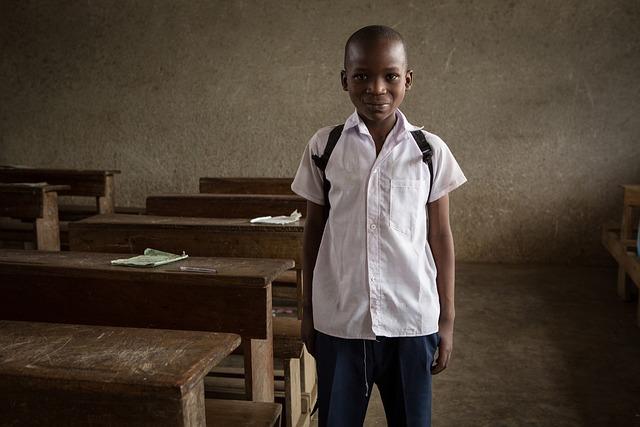
French pupils have recorded their lowest performance to date in the latest global education survey, stirring concerns among educators and policymakers. The findings, released by the Program for International Student Assessment (PISA), highlight a significant decline in French students’ competencies in key subjects such as reading, mathematics, and science. This unprecedented drop has prompted urgent calls for educational reform as France grapples with the challenge of improving student outcomes and closing widening gaps in academic achievement.
French Students Plummet in Global Education Rankings
Recent international assessments have shown a sharp decline in the performance of French students across key subjects, raising concerns about the effectiveness of the country’s educational strategies. France, historically known for its strong academic standards, now finds itself trailing behind many of its European neighbors as well as emerging education powerhouses worldwide. Experts highlight several contributing factors, including outdated curricula, large classroom sizes, and socio-economic disparities impacting student outcomes.
Key areas of concern include:
- Mathematics scores dropping below the OECD average for the first time.
- Significant gaps in reading comprehension emerging between urban and rural students.
- Decreased engagement and performance in science subjects during secondary education.
| Subject | 2015 Score | 2023 Score | Global Ranking Change |
|---|---|---|---|
| Mathematics | 500 | 470 | ↓ 12 places |
| Reading | 510 | 480 | ↓ 10 places |
| Science | 505 | 475 | ↓ 14 places |
Factors Contributing to Decline in Academic Performance
Several intertwined challenges have been identified as key drivers behind the recent downturn in French pupils’ academic results. Chief among these is the ongoing disparity in educational resources between urban and rural schools, which creates uneven learning environments. Additionally, rising socio-economic pressures on families have contributed to decreased student engagement and motivation. Many educators also point to the increasing prevalence of digital distractions, with screen time often encroaching on study hours, significantly impacting concentration and retention.
Other notable factors include:
- Curriculum rigidity limiting adaptability to diverse learning styles
- Insufficient support for students with special educational needs
- Overcrowded classrooms reducing individual attention
- Teacher burnout leading to higher turnover rates
- Language barriers affecting immigrant pupils’ performance
| Factor | Impact Level | Suggested Solution |
|---|---|---|
| Resource Disparity | High | Increased funding for rural schools |
| Socio-economic Pressure | Moderate | Community support programs |
| Digital Distractions | High | Balanced screen-time policies |
| Curriculum Rigidity | Moderate | Flexible, adaptive learning models |
Impact of Socioeconomic Disparities on Learning Outcomes
Unequal access to educational resources remains a significant barrier for many French pupils, exacerbating the recent decline in performance seen on international assessments. Students from lower socioeconomic backgrounds often face challenges such as limited access to quality tutoring, fewer extracurricular learning opportunities, and under-resourced schools. These factors combine to widen the achievement gap, making it harder for disadvantaged pupils to compete on an equal footing with their more affluent peers.
Key factors contributing to disparities include:
- Lack of access to digital learning tools at home
- Variability in school infrastructure and teacher quality
- Differences in parental support and educational background
- Inconsistent availability of remedial and enrichment programs
| Socioeconomic Group | Average Test Score | School Resource Index |
|---|---|---|
| High Income | 570 | 85% |
| Middle Income | 520 | 70% |
| Low Income | 460 | 45% |
This data highlights the stark contrast in educational outcomes and school conditions. The correlation between socioeconomic status and learning achievements is clear, pointing to a need for targeted policy interventions. Without addressing these embedded inequalities, the downward trend in France’s global education standings is likely to continue, affecting the future opportunities of its youth.
Strategies for Reversing the Educational Downturn in France
Addressing the decline in French pupils’ performance requires a multi-faceted approach focusing on both systemic reforms and classroom innovations. Improving teacher training programs to equip educators with modern pedagogical techniques is crucial. This includes incorporating digital tools effectively and fostering adaptive learning environments tailored to individual student needs. Additionally, promoting smaller class sizes can enable more personalized attention and support for struggling students.
Furthermore, collaboration between government, schools, and communities must be strengthened to build a supportive ecosystem. Key measures proposed include:
- Implementing nationwide literacy and numeracy initiatives in early education
- Increasing funding for underperforming schools and resource allocation based on student needs
- Encouraging parental involvement through workshops and communication platforms
- Introducing rigorous assessment and feedback mechanisms to track and address learning gaps
| Strategy | Expected Outcome |
|---|---|
| Enhanced Teacher Training | Improved instructional quality and student engagement |
| Smaller Class Sizes | More individualized support for learners |
| Parental Engagement | Stronger home-school connections boosting motivation |
Future Outlook
As France faces a historic decline in pupil performance on the international stage, educators and policymakers are now confronted with the urgent challenge of addressing the underlying factors behind this drop. The latest survey results not only signal a need for comprehensive reforms in the French education system but also set the stage for a broader debate about educational priorities and equity across the nation. How France will respond to this educational setback remains to be seen, but the global spotlight is firmly fixed on its schools as they strive to climb back from this unprecedented low.