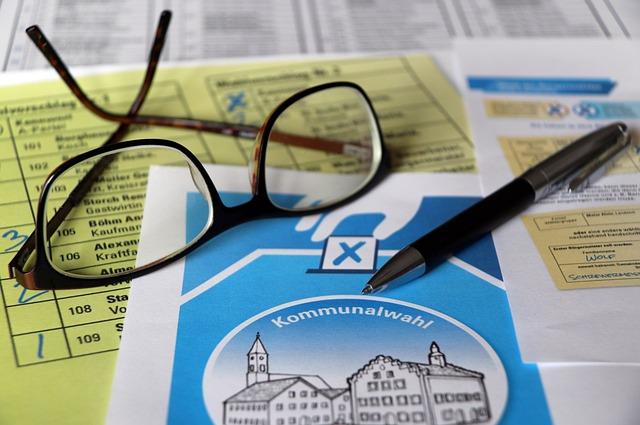
In a significant shift within the French political landscape, the far-right party has emerged as a frontrunner in the picturesque city of Nice, raising the stakes ahead of the upcoming municipal elections. As voters prepare to head to the polls, the growing momentum of the National Rally (Rassemblement National) underlines a broader trend of right-wing sentiment that has taken root across France. This development signals not only local implications for governance in the Côte d’Azur but also reflects national concerns regarding immigration, security, and national identity. With the election drawing near, the eyes of both local and national observers are closely fixed on Nice, as it may serve as a bellwether for the future political direction of France.
French Far Right’s Ascendancy in Nice: Implications for National Politics
The recent surge in support for the far-right party in Nice has far-reaching implications for the landscape of national politics in France. As the party consolidates its influence locally, key factors contribute to its ascent:
- Socioeconomic Discontent: Rising unemployment and economic instability have fueled public disenchantment with traditional political parties.
- Immigration Concerns: The party has effectively tapped into growing fears surrounding immigration and integration, resonating with constituencies anxious about cultural changes.
- Civic Identity: A campaign focused on national identity and local governance has struck a chord with voters seeking a return to perceived cultural roots.
The ramifications of this trend extend beyond municipal boundaries, potentially reshaping France’s political future. Observers note that if the far-right succeeds in capturing a significant electoral majority, there could be a domino effect in other regions, leading to:
- Policy Shifts: A shift in socio-political policies that emphasizes nationalism over globalization.
- Coalition Dynamics: Changes in coalition politics may emerge as mainstream parties reassess strategies to counter the far-right’s popularity.
- Increased Polarization: The rise of far-right ideologies could deepen existing political divides within the nation.
| Aspect | Current Trend |
|---|---|
| Voter Disillusionment | High |
| Far-Right Popularity | Growing |
| Impact on Mainstream Parties | Strategic Reevaluation |
Voter Demographics and Sentiment Shaping the Election Landscape
The recent rise of the far-right party in Nice has illuminated shifting voter demographics and sentiments that are reshaping the electoral landscape in France. Traditionally dominated by more moderate parties, the region now showcases increasing support for nationalist agendas among various age groups and socio-economic classes. Recent surveys have indicated that key factors influencing voters include:
- Economic Concerns: Many citizens feel the strain of inflation and job insecurity, fueling support for parties that promise strict immigration policies and economic nationalism.
- Cultural Identity: A growing number of voters express anxiety over cultural changes, leading them to gravitate towards parties that emphasize national pride and traditional values.
- Generation Gap: Younger voters, while more progressive, are demonstrating a complex relationship with issues like immigration, often swayed by the right’s populist messaging.
This evolving political climate is underscored by notable voting blocs that have emerged in response to these sentiments. To better illustrate this dynamic, the following table presents recent voter trends across different segments:
| Demographic Group | Support for Far-Right (%) | Key Issues |
|---|---|---|
| Young Adults (18-24) | 35 | Jobs, Immigration |
| Middle-Aged (25-54) | 45 | Economy, Security |
| Senior Citizens (55+) | 60 | Cultural Identity, Welfare |
The juxtaposition of these demographics reveals a multifaceted landscape where economic fears interface with cultural anxieties, leading to a surge of support for far-right candidates. As the election approaches, understanding these trends will be crucial for both political analysts and parties aiming to capture the hearts and minds of the electorate.
Strategies for Opposition Parties to Regain Ground
As the French far right gains traction in Nice, opposition parties face an urgent need to reevaluate their strategies to reclaim influence. Key measures that they could adopt include engaging with local communities through grassroots campaigns and addressing pressing social issues that resonate with voters. By focusing on authentic dialogue and community involvement, these parties can foster a sense of connection and trust among constituents, which is crucial for countering the growing appeal of populist rhetoric.
Additionally, opposition parties might consider uniting around shared values to create a stronger collective front. A coalition of moderate voices could amplify their impact, allowing for a more cohesive response to the threats posed by extreme factions. Strengthening their online presence through targeted digital campaigns, leveraging social media to disseminate positive messages, and highlighting their policy proposals can further engage younger voters, who are increasingly crucial in elections. These tactics could help create a formidable counter-narrative, fostering resilience against the tactics used by far-right proponents.
Lessons from Nice: Political Trends and Future Projections in France
The political landscape in France is undergoing a seismic shift as the far right gains significant ground in Nice, echoing a broader trend across the nation. This movement is characterized by an increasing acceptance of nationalist rhetoric and anti-immigration sentiment, resonating with a populace disillusioned by traditional parties. Elements contributing to this trend include:
- Economic Discontent: Rising living costs and job insecurities have left many seeking alternatives to the status quo.
- Cultural Identity: The far right’s emphasis on national pride is appealing to voters concerned about cultural dilution.
- Political Disillusionment: A growing mistrust in mainstream parties has paved the way for extremist views to gain traction.
Looking ahead, the ramifications of this shift extend beyond Nice. Analysts predict that, if current trends persist, the far right could secure substantial representation in upcoming elections. The implications could be profound, potentially altering France’s policies on immigration and integration, affecting European Union dynamics, and challenging established alliances. As the country stands on the precipice of a political transformation, the upcoming months will be critical for gauging the actual electoral strength of these emerging factions.
| Political Factors | Impact on Far Right |
|---|---|
| Economic Instability | Increased support due to frustration with existing leadership |
| Cultural Concerns | Boost in voter base driven by nationalistic narratives |
| Mainstream Disillusionment | Opportunities for radical ideologies to flourish |
Key Takeaways
In conclusion, the rise of the French far right in Nice underscores a significant shift in the political landscape as the region approaches a crucial election. With strong support for their candidates, this movement reflects growing concerns among voters regarding issues such as immigration and security. As the election date approaches, the implications of this trend will be closely monitored, not only for the future of Nice but for the broader national narrative in France. Political analysts are poised to examine how these developments could influence key policies and voter sentiments in the coming months. The outcome could herald a new chapter in French politics, one marked by increased polarization and a reevaluation of traditional political alliances. As the situation unfolds, it will be essential for citizens and leaders alike to grapple with the potential ramifications of this far-right momentum.