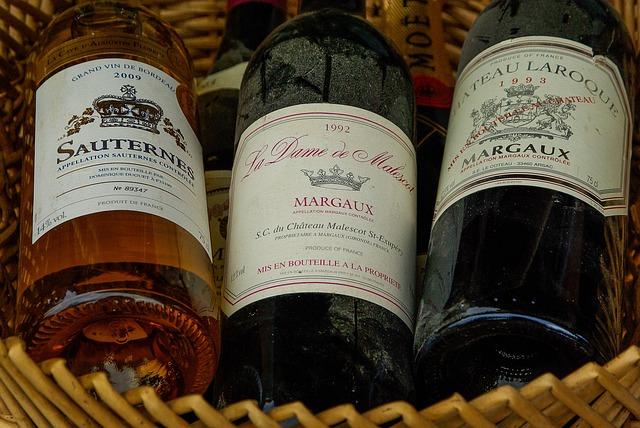
Wildfires Near Bordeaux Bring More Troubles to Wine Industry
In recent weeks, wildfires raging in the picturesque Bordeaux region have cast a shadow over its celebrated vineyards, adding to the growing concerns for the local wine industry. As flames consume vast tracts of land, winemakers face unprecedented challenges not only to their crops but also to the future viability of their businesses. With climate change intensifying the frequency and severity of such disasters, the implications for the renowned Bordeaux wine market are profound. This article delves into the impacts of the wildfires on the region’s economy, the livelihoods of its vintners, and the broader environmental issues at play.
Impact of Wildfires on Bordeaux Vineyards and Grape Production
The recent surge of wildfires in and around the Bordeaux region has raised significant concerns for local vineyards and the overall grape production landscape. The intense heat and smoke from these blazes threaten not only the immediate health of the vines but also the integrity of the grapes destined for wine production. Experts indicate that exposure to smoke can lead to “smoke taint,” a condition that alters the chemical composition of grapes, potentially resulting in unfavorable flavors and aromas in the final product. This issue could impact the reputation of Bordeaux wines, long celebrated for their quality and distinct characteristics.
Moreover, the environmental repercussions of wildfires exacerbate challenges faced by vineyard owners. The following are key impacts observed in the wake of recent fires:
- Loss of Vine Health: High temperatures and ash can severely affect vine resilience.
- Reduced Yields: The combination of stress and smoke exposure can diminish grape production significantly.
- Altered Terroir: Smoke and ash may change the soil composition, impacting future harvests.
In light of these challenges, vineyard owners are seeking solutions, including enhanced fire management strategies and investments in smoke detection technologies to mitigate risks. They remain hopeful that, with support and innovation, they can maintain the integrity of Bordeaux’s esteemed wine heritage despite the looming threats from nature.
Economic Consequences for Local Winemakers Amidst Crisis
The recent wildfires near Bordeaux have exacerbated the challenges facing local winemakers, who are already grappling with the economic fallout from various crises. The fires have not only damaged vineyards but have also disrupted production schedules, creating a perfect storm for an industry already under strain. Winemakers are confronting a series of hurdles, including:
- Increased costs: The need for new equipment and labor to remove charred vines has sharply risen.
- Insurance complications: Many producers are finding their coverage inadequate, leaving them exposed to significant financial losses.
- Market volatility: The uncertainty surrounding crop yields has led to fluctuating prices, impacting profit margins.
As the smoke clears, the long-term consequences may reshape the local wine landscape. A survey of production figures reveals alarming projections for the coming years:
| Year | Projected Yield (in hectoliters) |
|---|---|
| 2023 | 45,000 |
| 2024 | 30,000 |
| 2025 | 25,000 |
In this challenging environment, winemakers are being forced to innovate and adapt their business strategies to stay afloat. Initiatives such as collaborative marketing, community support, and exploring alternative crops are becoming essential for survival, as local artisans strive to rekindle the spirit of Bordeaux in the face of adversity.
Environmental Concerns and Future Risks for the Region’s Ecosystem
The recent wildfires near Bordeaux have ignited serious concerns about the region’s fragile ecosystem, which is intricately linked to its renowned wine industry. As drought conditions exacerbate, the frequency and intensity of wildfires are expected to increase, creating a vicious cycle of environmental distress. The implications for biodiversity are alarming; many native species are imperiled, while invasive plants may flourish in the aftermath, altering the natural habitat that vineyards depend on. Some key issues arising from these fires include:
- Soil Degradation: Ash and debris can lead to nutrient loss, affecting grape quality.
- Water Contamination: Runoff from burned areas may introduce hazardous materials into local waterways.
- Wildlife Displacement: Many species are losing their homes, threatening ecological balance.
Looking ahead, stakeholders in the wine industry must adapt to these emerging threats to sustain production. Climate change models suggest that hotter temperatures and altered precipitation patterns will persist, putting additional stress on vineyard management practices. Efforts towards sustainability are not only needed to protect the environment but also to enhance resilience against future risks. Essential strategies may include:
| Adaptation Strategies | Rationale |
|---|---|
| Implementing water conservation techniques | To ensure adequate irrigation under dry conditions |
| Planting fire-resistant vegetation | To create natural barriers against wildfires |
| Enhancing soil management practices | To combat erosion and maintain soil health |
Strategies for Recovery and Resilience in the Wine Industry
The recent wildfires near Bordeaux have sent shockwaves through the wine industry, prompting stakeholders to rethink their approaches. Resilience starts with proactive adaptation strategies that focus on climate awareness and resource management. Vineyards are increasingly investing in sustainable practices that improve soil health and water usage, ensuring the longevity of their crops amid unpredictable weather conditions. Key strategies include:
- Diversification of Crops: Growing a variety of grape types can protect against total loss in case of localized disasters.
- Implementing Technology: Using drones for monitoring and early fire detection helps in rapid response.
- Collaboration with Local Authorities: Partnering with government and environmental agencies can enhance fire prevention measures.
Moreover, support networks have emerged to bolster community resilience. Industry organizations are offering resources to affected producers, focusing on shared knowledge and funding for recovery. Addressing immediate needs while planning for future threats necessitates a strong focus on education and training for vineyard workers. A few highlighted initiatives include:
| Initiative | Description |
|---|---|
| Fire Management Workshops | Training sessions for best practices in fire resilience. |
| Emergency Response Drills | Simulations to prepare teams for fire outbreaks. |
Key Takeaways
As the summer of 2023 draws to a close, the wildfires near Bordeaux serve as a stark reminder of the increasingly volatile relationship between climate change and agriculture. The local wine industry, a cornerstone of the region’s economy and cultural identity, faces unprecedented challenges. Farmers and vintners are not only grappling with loss of crops but also with the long-term implications of these environmental catastrophes on their vineyards, community livelihoods, and the future of wine production in the region.
In light of these dire circumstances, industry experts stress the urgency of adapting practices and investing in sustainable solutions to mitigate the impacts of such disasters. As the world watches, Bordeaux’s resilience will be put to the test, highlighting the need for collective action in the face of climate adversity. The repercussions of the wildfires extend beyond the region, posing critical questions for the global wine market and raising awareness about the broader implications of climate change. As we move forward, it remains vital to support efforts that safeguard both the land and the legacy of this storied wine-producing region.