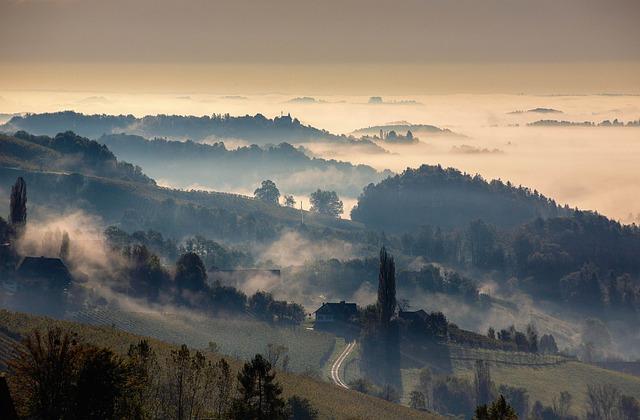
Wildfires Rage Across Southern Europe, Forcing Thousands to Flee Homes
In a devastating turn of events, wildfires have engulfed vast regions of southern Europe, prompting mass evacuations and widespread destruction. Communities from Greece to Spain are battling the flames as soaring temperatures and dry conditions exacerbate the crisis. Thousands have been forced to evacuate their homes, seeking refuge from the encroaching infernos that have decimated landscapes and threatened lives. As emergency services grapple with the rapidly spreading fires, the situation remains critical, urging international support and raising urgent questions about climate resilience and environmental stewardship across the continent.
Wildfire Outbreak Triggers Mass Evacuations Across Southern Europe
As flames sweep across vast expanses of southern Europe, thousands of residents have been forced to abandon their homes in the face of rapidly advancing wildfires. Authorities in countries such as Greece, Italy, and Spain are declaring states of emergency, mobilizing emergency services, and coordinating evacuations to ensure the safety of affected communities. Residents reported hearing the crackling of flames and feeling the intense heat, prompting many to leave with little more than the clothes on their backs. Key actions being taken include:
- Evacuation Centers: Emergency shelters have been established to provide temporary housing.
- Firefighting Efforts: Hundreds of firefighters, including volunteers, are battling the blazes, utilizing helicopters and fire engines.
- Civic Coordination: Local governments are working with national agencies to streamline rescue operations.
In addition to the immediate threat to life, the wildfires are wreaking havoc on wildlife ecosystems and could lead to long-term environmental damage. Ecosystem specialists have raised concerns about the consequences of such disasters, particularly in areas already struggling with high temperatures and prolonged drought conditions. A review of the latest statistics highlights the alarming nature of the situation:
| Country | Evacuated Residents | Area Affected (hectares) |
|---|---|---|
| Greece | 12,000 | 15,000 |
| Italy | 8,500 | 10,500 |
| Spain | 15,000 | 20,000 |
Impact on Communities: Displacement and Damage Assessment
The recent wildfires scorching southern Europe have ignited not only flames but also widespread disruption, prompting thousands of residents to evacuate their homes. Communities previously known for their picturesque landscapes are now grappling with the harsh reality of displacement. The immediate impact on these towns includes the loss of personal belongings, destabilization of local economies, and the strain on emergency services. Many families have found refuge in temporary shelters, where the lack of basic necessities exacerbates their plight.
In light of the destruction, damage assessment is crucial. Authorities are mobilizing teams to evaluate the extent of the devastation, focusing on both infrastructure and environmental recovery. Initial reports indicate significant losses, which can be summarized in the following table:
| Category | Estimated Damage |
|---|---|
| Homes Destroyed | 1,500+ |
| Acres Burned | 50,000+ |
| Days of Evacuations | 7+ |
| Estimated Cost | €200 Million |
This assessment highlights the urgent need for coordinated relief efforts and long-term recovery strategies, as communities begin the difficult process of rebuilding what has been lost.
Emergency Response Efforts: Coordination and Challenges on the Ground
In the face of devastating wildfires sweeping through southern Europe, emergency response teams are grappling with the complexities of coordination and crisis management. With thousands of residents forced to evacuate, local authorities, firefighters, and volunteers are working around the clock, but several challenges have emerged:
- Resource Allocation: Fire departments are strained, as they scramble for equipment and manpower amidst simultaneous outbreaks in multiple regions.
- Logistical Hurdles: Accessibility issues, such as damaged roads and adverse weather, hinder the swift mobilization of resources.
- Communication Breakdowns: The urgency of the situation has led to confusion in relaying vital information to both emergency services and affected populations.
Efforts are being made to streamline coordination among various agencies, but it remains precarious. Relief operations are being organized to provide shelter, food, and medical care; however, the sheer scale of the disaster is testing the resilience of both communities and responders:
| Challenge | Impact on Response |
|---|---|
| Unpredictable Fire Behavior | Limits the effectiveness of firefighting tactics. |
| Evacuation Centers Overwhelmed | Strain on resources and support services. |
| Public Panic | Complicates the execution of evacuation plans. |
Despite these hurdles, there are glimmers of hope as communities band together, showcasing remarkable resilience. As the flames rage on, the fight against these wildfires encapsulates not just the battle against nature but also the strength and solidarity of those determined to rebuild and recover.
Preventive Measures: Strategies for Future Fire Resilience
As wildfires continue to devastate southern Europe, it becomes increasingly essential to implement effective preventive measures that enhance fire resilience. One primary strategy involves forest management, which includes controlled burns and the removal of dead vegetation. These practices not only reduce the fuel available for wildfires but also promote healthier ecosystems. Communities should also prioritize land-use planning by creating firebreaks and implementing zoning laws that restrict building near high-risk areas.
Public awareness and education play a crucial role in fostering a culture of preparedness. Initiatives could include community workshops, where locals learn fire safety protocols and evacuation strategies. Furthermore, enhancing emergency response systems with advanced technology can significantly improve the effectiveness of firefighting efforts. Below is a table summarizing additional strategies that can bolster resilience against future wildfires:
| Strategy | Description |
|---|---|
| Community Engagement | Involving locals in fire prevention activities. |
| Investing in Technology | Utilizing drones and satellite imagery for monitoring. |
| Restoration Projects | Replanting native vegetation to restore ecosystems. |
| Policy Development | Creating and enforcing regulations that mitigate fire risks. |
Future Outlook
As wildfires continue to scorch vast areas of southern Europe, the ongoing devastation highlights the pressing need for comprehensive climate action and disaster preparedness. With thousands displaced and countless properties destroyed, the impact of these fires extends far beyond the immediate destruction, affecting local ecosystems and economies. Authorities are scrambling to contain the blazes while providing support to affected communities. The urgency of the situation cannot be overstated; as climate change exacerbates such natural disasters, the importance of global cooperation and resilience strategies has never been more critical. As the region grapples with this crisis, the stories of those affected serve as a poignant reminder of the human cost of environmental degradation. The world watches closely as southern Europe faces one of its most formidable challenges in recent history.