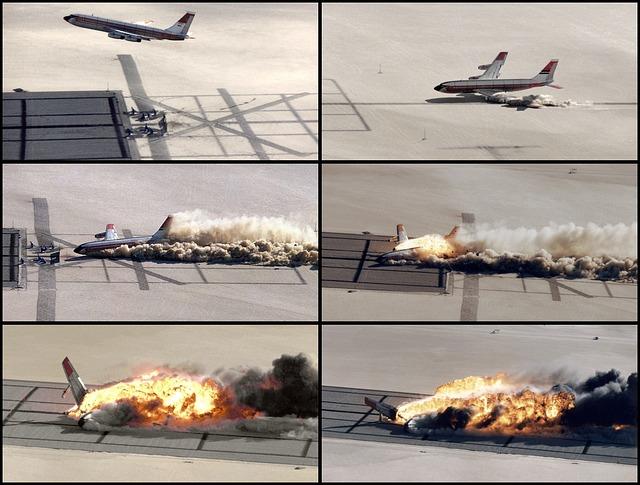
A tragic aviation accident has claimed the lives of all 11 individuals aboard a skydiving plane that crashed near Nancy, France. The incident, which occurred on Sunday, has sent shockwaves through the local community and the skydiving industry as authorities work to uncover the circumstances leading to the disaster. Eyewitnesses report a dramatic scene as the aircraft went down, prompting immediate emergency responses from local rescuers. As investigations begin, questions regarding safety protocols and regulatory oversight are coming to the forefront, highlighting the risks associated with recreational aviation.
Investigating the Causes of the French Skydiving Plane Crash
The investigation into the tragic plane crash near Nancy is focusing on several potential factors that may have contributed to this devastating event. Preliminary reports suggest that issues such as mechanical failure, pilot error, or adverse weather conditions may need further examination. As aviation experts delve deeper, they are looking into specific aspects, including:
- Aircraft maintenance history: Records will be scrutinized to assess if regular safety checks were performed.
- Pilot experience: An evaluation of the pilot’s qualifications and logged flight hours may provide insights into potential human error.
- Environmental conditions: Meteorological data from the time of the incident is under review to determine if weather played a significant role.
In addition to these factors, authorities are also examining regulatory compliance by the skydiving company. Eyewitnesses reported seeing the aircraft behaving erratically before the crash, which raises questions about the operational procedures and safety protocols in place. To systematize their findings, an initial analysis table categorizing each of these elements has been compiled:
| Factor | Details |
|---|---|
| Mechanical Failure | Pending inspection reports on engine and fuselage. |
| Pilot Error | Review of training and incident history. |
| Weather Conditions | Assessment of turbulence and wind patterns. |
| Regulatory Compliance | Investigating adherence to safety protocols. |
Emergency Response Protocols Reviewed After Tragedy
The tragic crash of a skydiving plane near Nancy has reignited discussions on emergency response protocols in aerial sports. Authorities are scrutinizing existing measures to ensure that such devastating incidents do not occur in the future. Local officials and aviation experts are emphasizing the need for a comprehensive review of safety standards and training procedures. Current emergency protocols include a range of critical steps, but many argue these must evolve to address the unique challenges posed by aerial operations. Key areas under examination are:
- First-responder coordination with aviation specialists
- Training enhancement for emergency medical teams
- Regular drills for skydiving companies
- Communication strategies for better crowd management
As investigations proceed, an initial assessment of response times and effectiveness has led to proposals for integrating technology into emergency protocols. A proposed dashboard system is being considered to ensure real-time updates and data sharing during crises. Planes operating in high-risk zones, such as those used for skydiving, may soon be equipped with tracking devices to facilitate quicker responses. The following table outlines proposed measures and their anticipated benefits:
| Proposed Measure | Anticipated Benefit |
|---|---|
| Real-time tracking devices | Faster location of crashed aircraft |
| Emergency response training programs | Improved response effectiveness |
| Regular safety audits | Identification of potential hazards |
Impact on Local Skydiving Community and Safety Regulations
The tragic crash of a skydiving plane near Nancy has sent shockwaves through the local skydiving community, raising urgent concerns about pilot training and aircraft maintenance. Many local jumpers are questioning the rigor of safety protocols and the effectiveness of current regulations that govern aerial sports. Skydiving clubs are expected to convene emergency meetings to discuss the implications of the crash, with an emphasis on sharing insights and best practices to enhance safety within the sport.
In the wake of this incident, regulatory bodies may consider an overhaul of existing safety measures. Areas likely to be scrutinized include:
- Pilot Certification: Evaluating the training requirements for pilots operating skydiving aircraft.
- Aircraft Maintenance Standards: Implementing stricter regulations for the upkeep of planes used in skydiving operations.
- Emergency Protocols: Developing comprehensive emergency response strategies tailored for skydiving operations.
Such actions aim to restore confidence among skydiving enthusiasts and ensure that safety remains a priority in the sport.
Calls for Enhanced Safety Measures in Aerial Recreational Activities
The tragic incident involving the skydiving plane near Nancy has reignited discussions surrounding the safety protocols in aerial recreational activities. As accidents like these draw attention, it becomes crucial for regulatory bodies and industry stakeholders to enhance existing safety measures. The lack of stringent guidelines can lead to devastating consequences, as evidenced by the recent crash that claimed the lives of all 11 individuals onboard. Experts advocate for a *multi-faceted approach* to improve safety standards, which might include:
- Regular Maintenance Checks: Implementing rigorous maintenance schedules to ensure aircraft are in optimal condition.
- Pilot Training: Enhancing training requirements for pilots, emphasizing emergency response and risk management protocols.
- Equipment Standards: Establishing strict guidelines for skydiving equipment, ensuring all gear meets high safety standards.
- Incident Reporting: Mandating comprehensive reporting of all aerial incidents to facilitate data analysis for future safety improvements.
Furthermore, the introduction of real-time monitoring systems could play a pivotal role in preventing such tragedies. Data collection and analysis from previous incidents could guide policy changes and inform best practices. Collaborative efforts among government agencies, aviation experts, and recreational organizations are essential to create a safer environment for aerial activities. Collective engagement in advancing safety measures not only protects participants but also instills confidence in the recreational flying community.
| Safety Proposal | Potential Impact |
|---|---|
| Regular Maintenance Checks | Reduce mechanical failures |
| Enhanced Pilot Training | Improve emergency response |
| Strict Equipment Standards | Minimize gear-related accidents |
| Real-time Monitoring Systems | Increase situational awareness |
In Retrospect
In conclusion, the tragic crash of a skydiving plane near Nancy has cast a shadow over the local community and the skydiving fraternity in France. With all 11 individuals on board confirmed deceased, the incident raises urgent questions about aviation safety and regulations in the small aircraft sector. As investigations by aviation authorities commence, families of the victims are left to grapple with the profound loss of their loved ones, while the nation mourns this catastrophic event. Further updates will be essential as more information comes to light, highlighting the need for ongoing vigilance in ensuring the safety of recreational air travel.