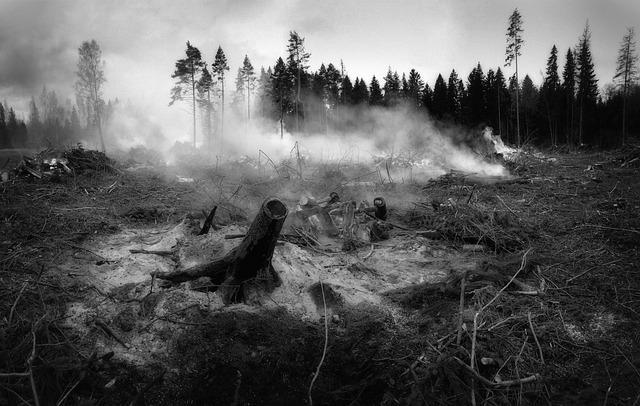
Thousands of residents in southern Europe have been forced to evacuate as wildfires rage uncontrollably across France and Spain, driven by unprecedented heatwaves sweeping the region. Temperatures have soared to extreme levels, exacerbating drought conditions and fueling the rapid spread of flames that have devastated communities, threatened homes, and prompted emergency response efforts on an unprecedented scale. This escalating crisis highlights the growing impact of climate change on Mediterranean countries, where authorities are grappling with how to protect vulnerable populations from intensifying natural disasters.
Wildfires Force Mass Evacuations Across Southern Europe
Across southern Europe, unprecedented heatwaves have sparked a series of devastating wildfires, compelling thousands of residents to evacuate their homes amid rising fears. In France and Spain, emergency services are battling flames that have engulfed vast tracts of forestland, with officials reporting that the combination of soaring temperatures and prolonged drought conditions has created the perfect storm for these rapidly spreading fires. Local authorities have issued urgent evacuation orders, prioritizing the safety of vulnerable communities, while firefighting teams work around the clock with aerial support to contain the blazes.
Key impacts of the wildfires include:
- Over 5,000 residents displaced in southern France
- Multiple villages in eastern Spain threatened and partially evacuated
- Significant destruction of natural habitats and agricultural lands
- Disruption to local infrastructure and road closures
| Country | Evacuations (approx.) | Area Affected (hectares) | Fires Active |
|---|---|---|---|
| France | 3,200 | 12,500 | 7 |
| Spain | 2,800 | 10,700 | 5 |
Rising Temperatures Fuel Intense Fire Conditions in France and Spain
Recent weeks have seen southern Europe endure a relentless heatwave, with temperatures soaring to unprecedented heights. The soaring mercury has created an environment ripe for wildfires, compelling thousands of residents in both France and Spain to evacuate rapidly to safer zones. Firefighters across the region are battling aggressively spreading blazes that have scorched thousands of hectares of forestland, threatening communities and wildlife alike.
The situation is exacerbated by the dry conditions and strong winds, which fan the flames and complicate containment efforts. Authorities have deployed hundreds of personnel and firefighting aircraft to critical hotspots and issued urgent advisories to the public to stay vigilant. Key factors intensifying the crisis include:
- Prolonged drought reducing moisture in vegetation
- Record-breaking daytime temperatures exceeding 40°C (104°F)
- Increased human activity during holiday periods leading to accidental ignitions
| Region | Area Affected (ha) | Evacuations | Active Fires |
|---|---|---|---|
| Occitanie, France | 12,500 | 3,400 | 5 |
| Andalusia, Spain | 9,800 | 2,700 | 6 |
| Provence-Alpes-Côte d’Azur, France | 7,200 | 1,500 | 3 |
Local Authorities Mobilize Emergency Response and Firefighting Resources
Across affected regions, local authorities have rapidly deployed a comprehensive network of emergency services to combat the unprecedented wildfire outbreaks. Firefighting units have been mobilized with aerial support including helicopters and water bombers, alongside ground crews equipped with specialized firefighting vehicles. Coordination centers have been established to streamline communication between municipalities, ensuring timely evacuation plans and resource allocation.
- Over 1,200 firefighters actively engaged in containment efforts.
- 24 helicopters and 16 water bombers in operation across southern France and northeastern Spain.
- Emergency shelters set up for thousands of displaced residents.
- Real-time weather monitoring teams providing critical data to forecast fire behavior.
| Resource Type | Quantity Deployed | Primary Role |
|---|---|---|
| Firefighters | 1,200+ | Containment & Rescue |
| Helicopters | 24 | Water Drop & Surveillance |
| Water Bombers | 16 | Fire Suppression |
| Emergency Shelters | 50+ | Evacuation Housing |
Authorities continue to emphasize public safety, urging residents in high-risk zones to adhere strictly to evacuation orders and avoid areas under active fire threat. Collaborative efforts with civil protection agencies aim to sustain logistical support for firefighting personnel, secure vital infrastructure, and expedite the restoration of affected communities once conditions permit.
Preventative Measures and Safety Tips for Residents in High-Risk Areas
Residents in wildfire-prone regions are urged to prioritize safety by implementing essential precautionary strategies. Creating and maintaining a defensible space around homes by clearing dry vegetation and debris significantly reduces fire risks. Regularly updating emergency kits with necessary supplies such as water, food, medications, and vital documents ensures readiness for rapid evacuation. Communities should establish clear communication plans, including multiple evacuation routes and meeting points, to enhance coordination during emergencies.
Local authorities emphasize adhering to outdoor fire restrictions and avoiding the use of machinery that could spark fires during high-risk periods. Additionally, staying informed through reliable channels about weather conditions and fire alerts can make all the difference. Below is a quick reference guide highlighting critical safety actions for residents:
| Safety Action | Description |
|---|---|
| Defensible Space | Clear 30 ft around structures from flammable materials |
| Emergency Kit | Include essentials: water, food, medication, documents |
| Evacuation Plan | Identify multiple exit routes and safe meeting locations |
| Fire Restrictions | Follow local bans on open flames and machinery usage |
| Stay Informed | Monitor updates via official news and alert systems |
Closing Remarks
As wildfires continue to ravage parts of France and Spain amid unprecedented heatwaves, authorities remain on high alert, grappling with the immediate challenges of evacuation and containment. The escalating impact of extreme temperatures in southern Europe underscores the urgent need for coordinated responses to climate-related disasters. Communities affected by the fires now face a long road to recovery, as concerns mount over the increasing frequency and intensity of such events in the region.