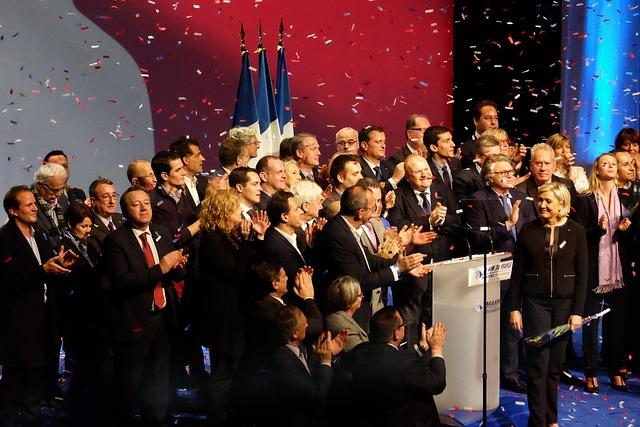
In a move that has sparked fierce debate across France’s political landscape, far-right leader Marine Le Pen has announced her intention to run for the presidency again in the upcoming election. Critics from rival parties have swiftly condemned her decision, accusing her of exploiting national grievances while promoting divisive rhetoric that could undermine social cohesion. As the race heats up, Le Pen’s candidacy is poised to reignite tensions over immigration, national identity, and economic policy, compelling both supporters and detractors to take a stand on the future direction of France. This article examines the implications of Le Pen’s bid and the response from her political opponents as the country gears up for a contentious electoral battle.
Le Pen’s Presidential Bid Faces Opposition as Critics Question Her Policies
As Marine Le Pen embarks on her latest presidential campaign, she faces a wave of criticism from political opponents and analysts who question the sustainability and impact of her policies. Critics argue that her proposed measures could exacerbate social divides and threaten the principles of equality and liberty that France has long championed. Among the contentious points raised are immigration restrictions, economic protectionism, and a potential shift towards nationalism that some fear may alienate minority communities and disrupt France’s role in the European Union.
In addition to these concerns, various politicians and think tanks have voiced apprehension about her party’s approach to social welfare. They highlight the risk of these policies leading to increased poverty rates and heightened social unrest. Those opposing her candidacy often cite data suggesting that her socio-economic proposals could create significant challenges, illustrated in the table below:
| Policy Area | Criticism | Potential Impact |
|---|---|---|
| Immigration | Restrictive measures | Increased social tensions |
| Economy | Protectionist stance | Job losses in global markets |
| Social Welfare | Reduction of benefits | Higher poverty rates |
Analyzing the Political Landscape: Challenges Ahead for Le Pen’s Campaign
As Marine Le Pen embarks on her campaign for the French presidency, she faces a myriad of challenges that could impact her political ambitions. Critics from various parties have swiftly condemned her move, arguing that it is merely a strategy to galvanize her base while distracting from pressing national issues such as economic inequality, immigration policy, and security concerns. As the political climate heats up, commentators are particularly focused on the following hurdles:
- Voter Fatigue: Citizens may be growing tired of Le Pen’s far-right rhetoric.
- Fragmentation of the Right: Competing interests within right-wing factions could dilute her support.
- Debate Performance: Potential gaffes in debates may weaken her campaign’s credibility.
Furthermore, internal divisions within Le Pen’s party, the National Rally, raise questions about their cohesion as they approach the election. Disputes over strategy and ideology could fracture the party just when the need for unity is paramount. A recent poll illustrates this precarious position:
| Polling Group | Support (%) |
|---|---|
| National Rally | 27 |
| Center-Right Coalition | 32 |
| Left Alliance | 20 |
With internal strife and external criticism looming large, the path to the presidency for Le Pen appears to be fraught with peril, testing her resolve and the loyalty of her supporters.
Public Sentiment Divided: Voter Reactions to Le Pen’s Candidacy
As Marine Le Pen announces her candidacy for the French presidency, reactions from the electorate are sharply divided. Supporters laud her commitment to national sovereignty and stringent immigration policies, often viewing her as a voice for the disenfranchised. Many believe her platform resonates with those feeling overlooked by traditional parties, leading to a surge of enthusiasm at her rallies. Key themes among her supporters include:
- National Identity: A focus on preserving French culture and values.
- Security Concerns: Emphasis on crime reduction and public safety.
- Economic Protectionism: Advocacy for local industries to thrive without foreign competition.
Conversely, her opponents raise alarm about the implications of her candidacy, warning voters of a potential drift toward extremism. Critics argue that her policies threaten to exacerbate social divisions and undermine France’s commitment to inclusivity and multiculturalism. In response to her growing support, they have mobilized campaigns that highlight fears surrounding her controversial views. In recent debates, they have focused on:
| Concern | Critique |
|---|---|
| Populism | Fear of undermining democratic institutions. |
| Xenophobia | Allegations of fostering discrimination against minorities. |
| Economic Instability | Worries about the impact of her policies on the Euro and economy. |
Strategic Recommendations for Le Pen to Address Criticism and Garner Support
To effectively counter the growing criticism from her opponents, Le Pen should consider a multi-faceted approach to reshape her public image and message. Engagement with Diverse Groups will be essential, allowing for open dialogues with various communities that feel alienated or misrepresented. By prioritizing the following strategies, she can strengthen her support base:
- Highlight Economic Policies: Focus on how her economic proposals can address the concerns of everyday citizens, particularly in the face of rising inflation and unemployment.
- Emphasize National Unity: Position herself as a candidate for all French citizens, fostering a narrative of inclusivity while maintaining her core values.
- Leverage Social Media: Use platforms to present a more approachable side and directly respond to misinformation or critiques.
Moreover, Le Pen should tackle her opponents’ criticisms head-on by developing a clear and transparent Communication Strategy that dispels myths surrounding her political agenda. A structured plan—detailed in the table below—can help clarify her positions on key issues relevant to the electorate:
| Key Issues | Proposed Actions |
|---|---|
| Immigration Reform | Propose a comprehensive policy that outlines clear steps toward integration and economic participation. |
| Social Welfare | Clarify plans to enhance benefits while ensuring they are targeted and sustainable. |
| Public Safety | Present actionable strategies to improve community safety without stigmatizing specific groups. |
The Conclusion
In conclusion, Marine Le Pen’s announcement to seek the French presidency has reignited fierce debate among political opponents and observers alike. Critics argue that her platform perpetuates division and undermines France’s core values of unity and inclusivity. As the electoral landscape evolves, the implications of her candidacy will certainly shape the discourse leading up to the election. With rising concerns over national identity and immigration, Le Pen’s campaign stands as a bellwether for the broader challenges facing France. As the nation prepares for a pivotal electoral season, the reactions and strategies of her opponents will be crucial in determining the direction of the country’s political future.