Excavation Unveils 2,000 Years of Urban History in Strasbourg, France
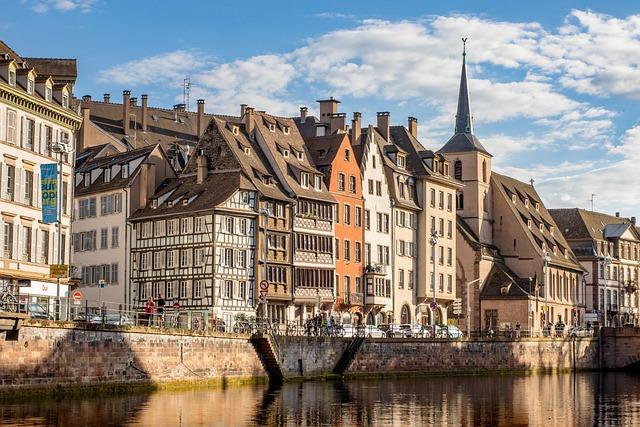
In a groundbreaking archaeological discovery, a recent excavation in Strasbourg, France, has unveiled a treasure trove of artifacts and structures that chronicle the city’s rich urban history spanning over two millennia. This significant find, which sheds light on the diverse cultural influences that have shaped Strasbourg, comes as a result of preparatory work for a new development project in the heart of the city. As researchers delve into layers of sediment and remnants of past civilizations, they are piecing together a narrative that not only highlights Strasbourg’s evolution from a Roman outpost to a vibrant European hub but also offers invaluable insights into the daily lives of its ancient inhabitants. The revelations promise to attract both historians and tourists alike, eager to explore the depths of Strasbourg’s historical tapestry.
Excavation Uncovers Ancient Artifacts Revealing Life in Early Strasbourg
Recent excavation projects in Strasbourg have unveiled a treasure trove of artifacts that date back over two millennia, offering an unprecedented glimpse into the lives of the city’s earliest inhabitants. Archaeologists have discovered a wide array of items, including:
- Pottery fragments: These remnants provide insights into the daily culinary practices and artistic expressions of ancient residents.
- Coins: Dating back to the Roman era, they illuminate the economic exchanges that defined early Strasbourg.
- Jewelry: Intricately designed pieces highlight the craftsmanship and social hierarchy of the time.
The findings paint a vivid picture of urban life during the height of Roman influence. Notably, a large section of a previously unknown settlement was unearthed, suggesting that Strasbourg was a significant hub for trade and cultural exchange. The excavation has also revealed the layout of streets and public spaces, reflecting the sophisticated planning employed by early inhabitants. To organize the uncovered data, the following table summarizes key artifacts and their historical context:
| Artifact Type | Estimated Date | Significance |
|---|---|---|
| Pottery | 1st Century AD | Daily life and culinary practices |
| Coins | 2nd Century AD | Economic activity and trade |
| Jewelry | 1st Century AD | Craftsmanship and social status |
Significance of Roman Influence on Modern Urban Development in Strasbourg
The recent excavation in Strasbourg has unearthed a plethora of remnants from Roman urban planning, highlighting the significant role that ancient Rome played in shaping the city’s architecture and infrastructure. Through meticulous studies of the findings, it has become increasingly clear that the principles of Roman urban design have left an indelible mark on modern Strasbourg. The grid layout, public spaces, and waste management systems adopted by the Romans not only optimized the use of land but also fostered community interaction, aspects still visible in today’s city planning.
Strasbourg’s Roman roots are reflected in various elements of modern urban life. Key features include:
- Road Networks: The remnants of Roman roads laid the foundation for contemporary transportation systems.
- Aqueducts and Water Systems: Innovations in water management have influenced modern plumbing techniques.
- Public Squares: The tradition of communal spaces originated from Roman forums, enhancing civic engagement.
This blend of ancient ingenuity with contemporary needs demonstrates how Rome’s influence continues to serve as a blueprint for urban development, ensuring that Strasbourg retains its historical essence while advancing into the future.
Implications for Future Archaeological Research in European Urban Centers
The recent excavation in Strasbourg not only uncovers a rich tapestry of history but also sets the stage for transformative approaches in future archaeological endeavors across European urban centers. As urban areas continue to expand, the findings highlight the need for integrated archaeological planning that balances development with the preservation of historic sites. This excavation demonstrates that urban archaeology can yield significant insights into the everyday lives of past populations, informing current social and cultural dynamics. Key areas for future research include:
- Collaborative Methodologies: Engaging local communities in archaeological efforts.
- Technological Integration: Utilizing advanced imaging and analysis techniques.
- Interdisciplinary Studies: Incorporating insights from history, anthropology, and urban studies.
Moreover, the Strasbourg findings compel researchers to rethink the narratives constructed around urban histories. The juxtaposition of diverse archaeological layers calls for a revised understanding of spatial relations and socio-economic structures throughout history. Going forward, researchers should prioritize establishing comparative frameworks that can be applied across different metropolitan landscapes, fostering a collaborative network among cities with rich archaeological potential. Such frameworks would not only enhance our comprehension of urban evolution but also empower cities to embrace their cultural heritage while navigating modern challenges. Below is a brief overview of anticipated research themes:
| Research Theme | Description |
|---|---|
| Urban Sustainability | Linking historical practices to modern sustainable urban planning. |
| Public Engagement | Harnessing community involvement in archaeological projects. |
| Historical Continuity | Tracing the evolution of urban spaces over millennia. |
Community Engagement and Preservation Efforts Following Historic Discoveries
Following recent archaeological discoveries in Strasbourg, the local community has rallied around initiatives aimed at preserving the rich heritage unveiled by excavations. The findings, which date back 2,000 years, have sparked a renewed interest in the history of the area, prompting various community engagement efforts that include:
- Public Workshops: Educational sessions led by historians and archaeologists to discuss the significance of the finds.
- Volunteer Programs: Opportunities for locals to participate in ongoing preservation projects, fostering a sense of ownership and connection to their history.
- Guided Tours: Special tours of the excavation sites, allowing residents and tourists alike to witness history in the making.
The city has also established a collaborative task force comprising local historians, conservationists, and community members to ensure these historical treasures are properly documented and preserved for future generations. Their goals include:
| Preservation Goal | Strategy |
|---|---|
| Documentation | Creating detailed records of the artifacts and site conditions. |
| Conservation | Implementing techniques to prevent deterioration of materials. |
| Community Outreach | Engaging residents through educational programs and events. |
Concluding Remarks
In conclusion, the recent excavation in Strasbourg has unearthed a fascinating tapestry of urban history spanning 2,000 years. This significant discovery not only highlights the city’s rich cultural heritage but also offers invaluable insights into the lives of its past inhabitants. As archaeologists continue to analyze the findings, the potential for further revelations about the ancient city grows. Strasbourg’s ongoing commitment to preserving and illuminating its historical narrative ensures that both residents and visitors can appreciate the depth of its legacy. As we await more updates from this groundbreaking site, it is clear that the past continues to shape the future of this vibrant European city.