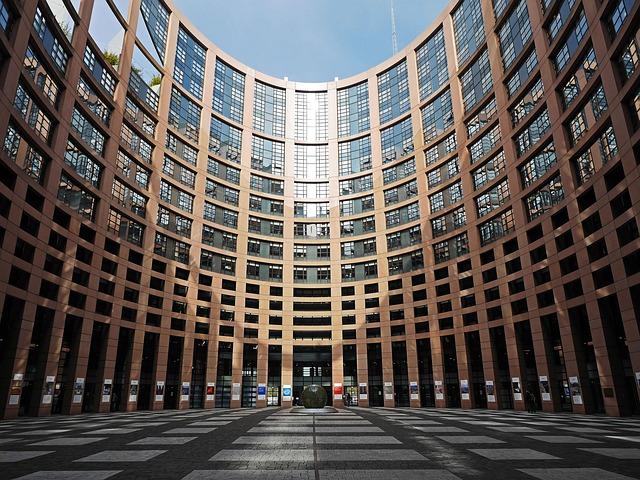
EU Parliament to Ditch Strasbourg Trips Thanks to American Intervention
In a significant shift for European legislative procedures, the European Parliament is poised to abandon its contentious practice of holding sessions in Strasbourg, France, a move catalyzed by diplomatic pressure from the United States. This development has sparked a fresh wave of debate about the efficiency and practicality of European institutions, as well as the influence of external forces on EU affairs. Aiming to streamline operations and reduce environmental impact, lawmakers are now grappling with the implications of this potential change, which could reshape the future of parliamentary governance in the EU. As the negotiations unfold, attention turns to how this shift will affect the relationship between the EU and its transatlantic ally, and what it signals about the evolving dynamics within European politics.
EU Parliament Considers Permanent Shift to Brussels Amid U.S. Pressure
The European Parliament is actively exploring the possibility of making Brussels its permanent home, a significant shift that comes in the wake of heightened pressure from the United States. This move is expected to streamline operations and enhance legislative efficiency, as the frequent travel between Strasbourg and Brussels has often been criticized for being a costly inefficiency. The U.S. has reportedly voiced its preference for a more consolidated European governance structure, which aligns well with the Parliament’s internal debates regarding its operational logistics.
Supporters of the change argue that eliminating the need for Strasbourg sessions could lead to:
- Cost Savings: Substantial reductions in transportation and accommodation expenses.
- Increased Productivity: More time for legislative work as travel days are cut.
- Improved Accessibility: Easier access for members, staff, and citizens engaging with the Parliament.
However, the change has sparked debates among member states, with critics highlighting the cultural and historical significance of Strasbourg as a symbol of European unity. As discussions unfold, the Parliament is tasked with balancing operational efficiency with its commitment to represent diverse European values.
Implications for European Unity and Legislative Efficiency
The decision to eliminate the Strasbourg parliamentary trips could mark a significant shift in the trajectory of European integration. With the European Parliament potentially reorganizing its operational framework, the emphasis on a centralized legislative environment might strengthen collaboration among EU member states. This adjustment could pave the way for a more cohesive legislative process, reducing the logistical burdens that have historically hampered efficiency and decision-making.
Moreover, the impact of this reform extends beyond mere efficiency. By aligning the parliamentary schedule more closely with the needs of its constituents, the EU could enhance its democratic legitimacy. The proposed changes bring forth several implications:
- Streamlined Decision-Making: Reduced travel time may foster quicker turnarounds on critical legislation.
- Increased Transparency: A singular meeting location could ensure that EU citizens are better informed about parliamentary activities.
- Potential Cost Savings: The financial implications of travel expenses could redirect funds towards more pressing EU initiatives.
Analyzing the Environmental Impact of Reduced Travel
The decision to eliminate routine travel to Strasbourg for EU Parliament members has significant ramifications for environmental health. Frequent flights and long-distance commutes contribute heavily to carbon emissions, exacerbating the climate crisis. Transitioning to a more localized parliamentary approach can lead to substantial reductions in the carbon footprint associated with these trips. Key considerations include:
- Reduction in Air Travel: Minimizing the need for flights would directly lower greenhouse gas emissions.
- Less Road Traffic: Fewer commutes would diminish congestion and pollution on Europe’s roadways.
- Resource Conservation: Reduced travel means lower demand for resources consumed in transit, potentially benefiting local ecosystems.
Analysts suggest that this shift represents not only a political victory but also a necessary environmental strategy. A preliminary assessment indicates potential yearly savings of thousands of tons of CO2 emissions if the travel ban is upheld. The following table provides an illustrative comparison of carbon emissions from different modes of travel related to the parliamentary sessions:
| Mode of Travel | Average CO2 Emissions (per trip) | Carbon Footprint Reduction Potential (Annual) |
|---|---|---|
| Air Travel | 250 kg | 20,000 tons |
| Train Travel | 90 kg | 7,500 tons |
| Car Travel | 180 kg | 15,000 tons |
Recommendations for Streamlining EU Operations in a Post-Strasbourg Era
In light of the recent announcement to eliminate the controversial Strasbourg sessions, several strategies can be implemented to enhance the efficiency of EU operations. Transitioning the bulk of legislative activities to Brussels allows for greater accessibility and better use of resources, benefiting not just the Members of the European Parliament (MEPs) but also the general public. Suggestions include:
- Digital Transformation: Invest in advanced telecommunication technologies to facilitate remote participation in debates and votes.
- Centralized Meetings: Organize regular, streamlined sessions in Brussels that consolidate discussions to minimize redundancies.
- Environmental Sustainability: Reduce carbon footprints by curtailing travel associated with multiple locations.
Additionally, fostering collaboration between EU institutions by creating inter-agency committees could lead to more cohesive policymaking. A system to evaluate the ongoing effectiveness of these operational changes will ensure that the EU remains responsive to dynamic political landscapes and citizen needs. Essential recommendations include:
| Strategy | Benefit |
|---|---|
| Regular Surveys | Gauge public opinion on EU performance. |
| Policy Feedback Loop | Enhance policy effectiveness through continuous stakeholder feedback. |
| Cross-Border Initiatives | Encourage cooperative projects between member states. |
Wrapping Up
In conclusion, the European Parliament’s decision to abandon its bi-monthly trips to Strasbourg marks a significant shift in its operational framework, catalyzed by American intervention. The move is expected to streamline legislative processes and reduce costs, reflecting a pragmatic response to an often criticized tradition. As the EU grapples with pressing challenges, this bold step may pave the way for a more efficient and cohesive legislative body. Observers will be watching closely to see how this change impacts the Parliament’s dynamics and its relationship with member states. The implications of this decision could resonate across Europe, heralding a new chapter in EU governance.

![Protoje & The Indiggnation in Lille France @ Le Splendid (Full Concert) [4/5/2026] – Reggaeville.com](https://news-france.info/wp-content/uploads/2026/09/68695-protoje-the-indiggnation-in-lille-france-le-splendid-full-concert-4-5-2026-reggaeville-com-450x300.jpg "Protoje & The Indiggnation in Lille France @ Le Splendid (Full Concert) [4/5/2026] – Reggaeville.com")