Title: Turmoil Erupts in France as Champions League Celebrations Descend into Chaos
In a stark turn of events during the Champions League celebrations in France, hundreds of individuals were arrested and dozens of police officers reported injuries following violent clashes that erupted across several cities. What began as a festive occasion to honor football’s elite quickly spiraled into unrest, prompting an unprecedented response from law enforcement. With the aftermath unfolding, authorities are grappling with the implications of the riots, raising questions about public safety, crowd control, and the broader societal issues at play. As investigations continue, the nation is left to reckon with the chaos that tarnished a much-anticipated sporting event.
Champions League Riots in France Escalate: A Closer Look at Causes and Consequences
The recent turmoil surrounding the Champions League in France has highlighted various underlying issues affecting French society. Rising tensions between fans and law enforcement, exacerbated by economic factors and social discontent, played a significant role in escalating the violence. As crowds gathered for the matches, frustrations boiled over, manifesting in clashes that led to widespread chaos. Reports indicate that misunderstandings between police and fans were common, further inflaming the situation. Many participants stated that they felt unfairly treated, which only intensified the confrontations, causing a ripple effect that engulfed the surrounding areas.
Consequences of these riots extend beyond immediate injuries and arrests, prompting concerns about safety at future sporting events. The aftermath has resulted in calls for greater accountability from both law enforcement and event organizers. Additionally, local businesses are feeling the impact; many faced property damage or lost revenue due to the unrest. Authorities are now faced with the pressing question of how best to manage crowd control at such large events. An analysis of incidents shows that appropriate measures could include:
- Enhanced communication between police and fan groups
- More transparent policies regarding fan behavior
- Increased community engagement to address underlying social issues
| Category | Details |
|---|---|
| Total Arrests | Over 300 |
| Police Injuries | Dozens |
| Estimated Cost of Damage | Millions |
Police Injuries Surge Amidst Unrest: The Impact on Law Enforcement and Public Safety
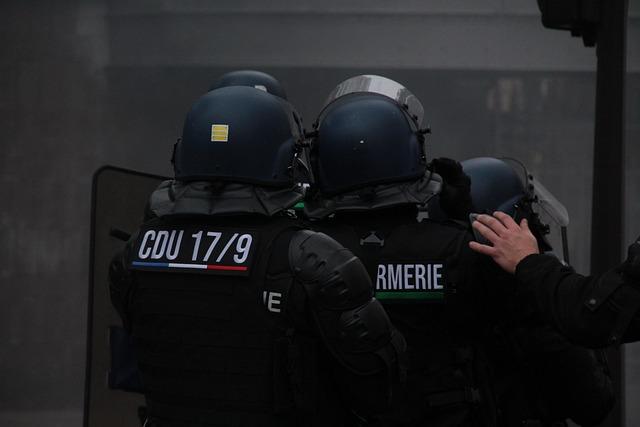
The recent Champions League riots in France have highlighted a troubling trend: the escalating violence faced by law enforcement during large-scale public disturbances. Officers on the ground reported a sharp increase in injuries as they attempted to manage the chaotic scenes, with many sustaining injuries from projectiles and confrontations with unruly crowds. The effects of these clashes resonate not only within the force but also extend to community safety, raising concerns about the broader implications for law enforcement capabilities. Key factors contributing to police injuries include:
- Increasing aggression from protestors: Many officers faced physical attacks as tensions flared.
- Use of makeshift weapons: Rioters employed stones, bottles, and other projectiles against police.
- Insufficient crowd control measures: The scale of unrest overwhelmed available resources.
As law enforcement grapples with the aftermath of such violent episodes, the ripple effects on public safety become increasingly concerning. Instances of police injuries can hinder response times and degrade the overall effectiveness of law enforcement agencies. Furthermore, this situation cultivates an environment of fear and mistrust, both among officers and within the communities they serve. The ongoing challenge is balancing the right to public assembly with the need for safety, leading to important discussions about protective measures and police training. Below is a snapshot of key statistics from the recent riots:
| Event | Injured Officers | Arrests Made | Civilian Impact |
|---|---|---|---|
| Champions League Riots | Dozens | Hundreds | Widespread Property Damage |
Community Responses and Accountability: Addressing the Fallout from the Riots
In the aftermath of the Champions League riots, the community has come together to address the chaos and its repercussions. Local leaders are organizing forums to discuss the underlying issues that may have contributed to the unrest, emphasizing the need for dialogue between law enforcement and the public. Community members have expressed concerns over safety and the escalating tensions. Actions being taken include:
- Community Meetings: To foster communication and understanding.
- Support for Injured Police: Initiatives to raise awareness and provide aid.
- Restorative Justice Programs: Aiming to heal community fractures.
Accountability, a critical aspect of healing, has also been a focal point. City officials and police are under scrutiny regarding their response to the riots. Investigations are being launched to determine the adequacy of law enforcement’s measures during the chaos. A community task force is being proposed to oversee these developments, ensuring transparency in the process. Relevant statistics include:
| Statistic | Number |
|---|---|
| Individuals Arrested | Hundreds |
| Police Injured | Dozens |
| Community Meetings Planned | 10+ |
Recommendations for Future Events: Ensuring Safety and Security During Major Sporting Occasions
To prevent future incidents similar to the recent Champions League riots, it’s crucial to implement a comprehensive safety framework that prioritizes both spectator enjoyment and individual security. Coordinated efforts between law enforcement, event organizers, and local authorities can significantly enhance crowd control and emergency response. Possible measures to consider include:
- Enhanced Surveillance: Deploy drones and advanced CCTV systems to monitor crowd behavior.
- Crowd Management Training: Invest in training programs for staff on de-escalation techniques and emergency procedures.
- Proactive Communication: Use social media and official channels for real-time updates and crowd advisories.
- Designated Safe Zones: Create areas for individuals needing assistance or who feel unsafe.
Moreover, collaboration with fan groups can provide insights into potential issues before they escalate, fostering an atmosphere of trust and respect. Furthermore, a robust health and safety plan should encompass:
| Strategy | Benefit |
|---|---|
| Pre-event Briefings | Educate attendees on safety protocols and expected behavior. |
| Increased Staff Presence | Provide an immediate point of contact for crowd-related issues. |
| Emergency Drills | Ensure swift and organized responses to unforeseen incidents. |
Future Outlook
In conclusion, the recent Champions League riots in France have underscored the volatility surrounding high-stakes sporting events, resulting in hundreds of arrests and numerous injuries among law enforcement officers. As authorities investigate the alarming escalation of violence, questions remain regarding crowd management and the security measures necessary to prevent future disturbances. The events of this weekend serve as a stark reminder of the potential consequences of unchecked fan fervor, highlighting the urgent need for a comprehensive approach to ensure safety at major sporting events. As France processes the aftermath, the focus will inevitably shift towards accountability and the safeguarding of public order in the realm of sports.