

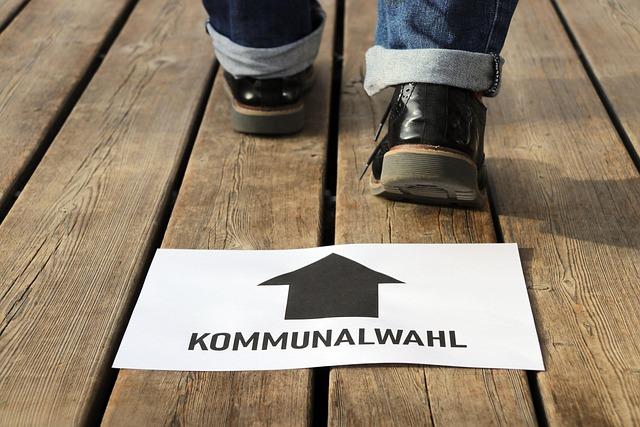
As France gears up for its municipal elections, the political landscape is charged with anticipation and strategic maneuvering. Set to unfold in key cities across the nation, these elections not only determine local governance but also serve as a bellwether for national sentiment ahead of upcoming elections. From the bustling streets of Paris to the historic districts of Marseille, the results in these municipalities could reshape party dynamics and influence policy agendas at the national level. In this article, we delve into the cities to watch, the issues at stake, and the candidates poised to make their mark in France’s evolving political scenario.
Key Contenders in Major French Cities Shaping Local Governance
The municipal elections across France have attracted substantial attention, particularly in major cities where a shifting political landscape may redefine local governance. In Paris, the incumbent mayor is facing significant challenges from both traditional parties and emerging movements. Notably, environmental issues and urban development are central to the candidates’ platforms, shaping campaigns that resonate with a growing electorate concerned about sustainability. Among the contenders are candidates from various affiliations, including La République En Marche!, the Greens, and traditional Republican factions, each presenting diverse visions for the future of the capital.
Meanwhile, in Marseille, the race is heating up, with local political dynamics showcasing a blend of leftist and right-wing candidates battling for dominance. The city’s unique socio-economic challenges, including housing shortages and cultural preservation, play a crucial role in shaping electoral strategies. Key points of debate include:
- Affordable Housing: Proposals for accessible housing initiatives.
- Public Safety: Strategies aimed at crime reduction in urban zones.
- Infrastructure Development: Plans for improving public transportation systems.
Furthermore, in Lyon, the local government race features a significant evolution in party representations, as several independent candidates emerge, seeking to redefine traditional party lines and engage younger voters. These elections could very well serve as a litmus test for local governance models across France, highlighting the need for cities to adapt rapidly to their citizens’ evolving demands.
Voter Engagement Strategies: Mobilizing the Electorate Ahead of Polling Day
As France gears up for its municipal elections, a range of voter engagement strategies are being deployed to energize and mobilize the electorate. Grassroots initiatives are at the forefront, with local organizations harnessing social media to promote civic participation. Events such as town halls and community forums are being organized to facilitate direct dialogue between citizens and candidates, fostering a sense of community ownership in the electoral process. Additionally, targeted outreach campaigns are focusing on traditionally underrepresented groups, aiming to ensure that every voice is heard and counted come polling day.
In major cities like Paris, Marseille, and Lyon, innovative approaches are being utilized to capture the attention of younger voters. Strategies include online advocacy, leveraging platforms like Instagram and TikTok to share engaging content about the electoral process and the impact of local policies. Furthermore, cities are employing mobile apps that provide real-time information on polling locations, candidate platforms, and voter registration status, making it easier than ever for constituents to participate. Below is a snapshot of the main voter engagement tactics being implemented across key cities:
| City | Engagement Tactics |
|---|---|
| Paris | Town Halls, Social Media Campaigns |
| Marseille | Community Forums, Outreach Programs |
| Lyon | Mobile Apps, Youth Engagement Events |
The Role of Youth and First-Time Voters in France’s Municipal Landscape
The impact of youth and first-time voters in France’s municipal elections cannot be understated. As the demographics shift, this group increasingly wields the power to sway results in key cities. The potential for young voters to influence policies surrounding climate change, education reform, and employment opportunities is significant, as they advocate for issues that affect their future. Engaging this demographic has become a priority for candidates who understand that harnessing their energy and enthusiasm could lead to groundbreaking shifts in local governance.
Moreover, various civic initiatives and digital platforms are emerging to facilitate youth participation. These efforts aim to educate first-time voters on local issues and the importance of their engagement. Some highlighted initiatives include:
- Online Voting Guides: Resources designed to simplify the voting process.
- Social Media Campaigns: Targeted outreach to promote engagement on critical local issues.
- Youth Forums: Opportunities for candidates to engage directly with young voters.
By capturing the interests of young voters, candidates not only enhance their chances of securing votes but also pave the way for a more representative municipal landscape that reflects the diverse voices within their communities.
Analyzing the Impact of National Politics on Local Election Outcomes
The dynamics of national politics can significantly sway local election outcomes, as we observe in France’s municipal elections. Voter sentiment often mirrors broader political trends, leading to a nuanced interplay between local and national issues. Some key factors influencing these elections include:
- National Leadership Approval: The popularity of the current government can affect voter turnout at the municipal level.
- Local Responses to National Policies: Local candidates who align or diverge from national policies may either mobilize or alienate the electorate.
- Political Messaging: National parties often leverage local platforms to amplify their messages, impacting grassroots engagement.
In key cities like Paris and Marseille, local candidates may find themselves navigating a political landscape heavily influenced by national narratives. Voters are not just casting their ballots for local representatives; they are also responding to the larger political context shaped by issues such as economic policy, immigration, and public health. A comparative examination of recent polls indicates a correlation between national party performance and municipal election results, as illustrated in the table below:
| City | National Party Strength (%) | Local Election Candidates |
|---|---|---|
| Paris | 60 | Progressive Coalition, Conservative Party |
| Marseille | 45 | Leftist Alliance, National Rally |
| Lyon | 50 | Centrist Bloc, Socialist Party |
In Retrospect
As France gears up for another significant electoral cycle, the municipal elections promise to reshape the political landscape in key cities across the nation. With a focus on voter turnout and local issues, these elections will not only influence local governance but also serve as a bellwether for national sentiment ahead of future contests. As candidates vie for crucial positions in cities like Paris and Marseille, the stakes are high, and the implications are far-reaching. Observers will be closely monitoring the results, which could signal shifts in public priorities and party dynamics. As the ballots are cast and counted, the outcomes may provide vital insights into the evolving political narrative of France. Stay tuned for comprehensive coverage and analysis as we track the developments in this pivotal electoral moment.


![[Interview] France school protests go deeper than rioting or reactionism, says Sciences Po lecturer – EUobserver](https://news-france.info/wp-content/uploads/2026/10/72634-interview-france-school-protests-go-deeper-than-rioting-or-reactionism-says-sciences-po-lecturer-euobserver-450x319.jpg "France School Protests Uncover Deeper Social Struggles Beyond Riots and Reactionism, Expert Says")