

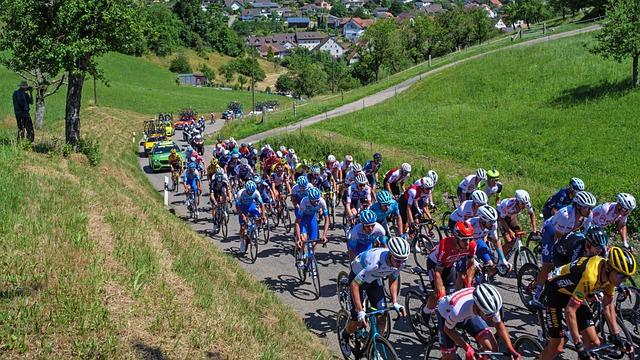
The Tour de France 2026 enters a crucial phase with Stage 9 set to challenge the peloton in new and unexpected ways. As riders tackle a demanding route that blends sharp climbs and fast descents, anticipation builds around who will emerge as the frontrunner heading into the race’s second week. This preview delves into the key segments of the stage, highlights notable contenders, and outlines the strategic opportunities that could shape the overall standings in one of cycling’s most prestigious events.
Tour de France 2026 Stage 9 Course Breakdown and Key Climbs
The ninth stage of the 2026 Tour de France promises to be a defining segment in the mountain classification battle, featuring a grueling route that tests riders’ climbing prowess and endurance. Beginning in the historic town of Gap, the course immediately challenges the peloton with a series of punchy ascents, setting the tone for a day where positioning and timing will be essential. The stage covers approximately 160 kilometers, weaving through the heart of the Alps before culminating in a panoramic summit finish that has already sparked excitement among teams and fans alike.
The key climbs that stand out on this route include:
- Col de Manse (1,268 m) – A sharp opener with gradients hitting 9% at points, perfect for early attacks or a selective pace.
- Col de Vars (2,108 m) – Long and steady, this climb will test riders’ stamina with an average gradient of 6%, likely to be decisive for breakaways.
- Col d’Izoard (2,360 m) – The iconic and challenging ascent known for its barren, lunar landscape. Its relentless slope up to 7.3% will serve as the stage’s ultimate shake-up before the finish.
| Climb | Length (km) | Average Gradient | Peak Elevation (m) |
|---|---|---|---|
| Col de Manse | 9.5 | 7% | 1,268 |
| Col de Vars | 19.5 | 6% | 2,108 |
| Col d’Izoard | 14.1 | 7.3% | 2,360 |
Rider Strategies and Team Tactics to Watch
As the peloton faces the varied terrain of Stage 9, expect teams to employ calculated strategies to position their leaders for a crucial day. Breakaways will likely be vigilantly monitored by strongly organized squads aiming to control the pace, preventing any risky escapes from gaining too much time. Sprinters’ teams will work at full throttle early, setting a relentless tempo to reel in potential threats before the decisive climbs. Look for bold moves from opportunistic riders attempting late attacks on the undulating sections, capitalizing on their endurance and team support to unsettle the general classification contenders.
Team dynamics will be pivotal, especially with mountain domestiques ready to shield team captains from headwinds and maintain position in the pack. Coordination in bike exchanges and feed zones could make a difference in energy conservation for the GC hopefuls. Below is a quick glance at key team roles expected to shape the stage outcome:
| Team | Primary Tactic | Key Rider Role |
|---|---|---|
| Team Velocità | Control early breakaways | Climbing Domestique |
| Équipe Cyclone | Protect GC leader on climbs | Lead-out Sprinter |
| Pedalers United | Launch late attacks | All-rounder |
- Energy management will separate contenders from the pack on crucial summit finishes.
- Communication between riders and team cars is expected to be smoother than ever with enhanced radio tactics.
- Weather conditions could force unexpected changes in strategies, particularly strong crosswinds on exposed sections.
Weather Conditions and Their Potential Impact on the Race
Stage 9 is shaping up to be heavily influenced by the unpredictable alpine weather, which could drastically alter race dynamics. With forecasts predicting intermittent rain showers and gusty winds across key mountain passes, riders will need to prepare for slippery descents and fluctuating temperatures. These conditions may benefit technically skilled climbers, who can safely navigate the treacherous terrain, while posing risks for less experienced descenders. Additionally, strong crosswinds in exposed sections could break up the peloton, potentially leading to early splits and selective race moments.
Teams will be closely monitoring the weather to adjust their strategies accordingly. Key considerations include:
- Rain and wet roads increasing the chance of crashes and cautious descending.
- Variable temperatures that could impact rider hydration and energy management.
- Wind direction and speed affecting drafting opportunities and breakaway viability.
- Visibility challenges in foggy or misty sections reducing reaction times.
| Weather Factor | Potential Impact |
|---|---|
| Rain | Slippery descents, cautious riding |
| Wind | Peloton splits, energy drain |
| Temperature | Hydration needs, pace adjustments |
| Fog | Reduced visibility, crash risk |
Equipments and Gear Recommendations for Optimal Performance
To conquer the challenging terrain of Stage 9 in the 2026 Tour de France, riders will rely heavily on specialized equipment designed for both durability and speed. Lightweight carbon fiber frames remain the gold standard, drastically reducing strain during intense climbs without sacrificing rigidity on fast descents. Aerodynamically optimized helmets and skinsuits can gain crucial seconds, especially in transitional segments where riders transition between flats and rolling hills. In addition, disc brakes have become increasingly favored for their superior stopping power and control on technical descents, ensuring safer navigation at high speeds.
When it comes to gear selection, careful consideration is a must. Teams will likely recommend:
- Compact cranksets to maintain cadence during steep pitches
- Wide-range cassettes offering smooth gear shifts for diverse gradients
- High-performance tubular tires for puncture resistance and minimal rolling resistance
- Power meters to precisely gauge effort and energy expenditure
The synergy between rider skill and equipment precision will be a defining factor on this stage’s complex profile.
| Equipment | Recommended Brand | Key Benefit |
|---|---|---|
| Carbon Frame | Specialized S-Works | Lightweight & Stiff |
| Disc Brakes | Shimano Dura-Ace | Enhanced Stopping Power |
| Tires | Continental Grand Prix | Puncture Resistance |
| Power Meter | SRM | Precise Effort Tracking |
The Conclusion
As the riders gear up for Stage 9 of the Tour de France 2026, anticipation continues to build around what promises to be a pivotal day in this year’s race. With challenging terrain and strategic opportunities shaping the course, teams and contenders alike will need to bring their sharpest tactics and strongest legs to the fore. Cyclingfans can expect thrilling competition and potential shake-ups in the standings as the peloton tackles this crucial stage. Stay tuned to Cyclingnews for in-depth coverage and analysis as the Tour rolls on.

![[Interview] France school protests go deeper than rioting or reactionism, says Sciences Po lecturer – EUobserver](https://news-france.info/wp-content/uploads/2026/10/72634-interview-france-school-protests-go-deeper-than-rioting-or-reactionism-says-sciences-po-lecturer-euobserver-450x319.jpg "France School Protests Uncover Deeper Social Struggles Beyond Riots and Reactionism, Expert Says")