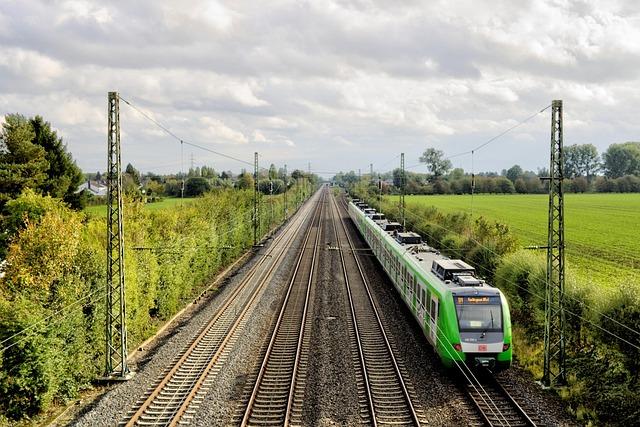
A recent study conducted in the Île-de-France region has shed new light on how weather conditions affect rail mobility, underscoring the challenges faced by the densely populated area’s transportation network. The comprehensive research, highlighted by RAILMARKET.com, offers critical insights into the correlation between climatic factors and rail service disruptions, with implications for regional planning and infrastructure resilience. As weather patterns grow increasingly unpredictable, the findings could prove vital in shaping future strategies to enhance the reliability of rail travel across one of Europe’s busiest corridors.
Île-de-France Study Reveals Weather Patterns Disrupting Rail Mobility
Recent findings from a comprehensive study conducted across the Île-de-France region have pinpointed significant disruptions in rail services correlated with adverse weather conditions. Analysis highlights that extreme temperature fluctuations, heavy rainfall, and dense fog increase the likelihood of delays and technical failures on key commuter lines. Operators are facing mounting challenges in maintaining schedule adherence during seasonal transitions, prompting calls for enhanced weather-resilient infrastructure investments.
Key weather factors influencing rail mobility identified include:
- Prolonged rain causing track flooding and signal malfunctions
- Severe heat waves leading to rail track deformation
- Fog reducing visibility and slowing train speeds
- Winter frost impacting overhead wiring and switches
| Weather Condition | Impact on Rail Operations | Frequency in Île-de-France |
|---|---|---|
| Heavy Rainfall | Track flooding, signal problems | Seasonal (Spring/Autumn) |
| Heatwaves | Track deformation, speed restrictions | Increasing (Summer) |
| Fog | Visibility reduction, delays | Common (Autumn/Winter) |
| Winter Frost | Electrical failures, switch freezes | Frequent (Winter) |
Detailed Analysis Highlights Vulnerable Routes and Peak Impact Periods
New findings from the comprehensive Île-de-France rail study pinpoint critical segments where weather disruptions pose the greatest risk to daily commuters. Specifically, routes passing through low-lying areas and open-air tracks near the Seine river show heightened vulnerability to flooding and severe storm conditions. Analysis reveals that these sections experience a higher frequency of service delays and maintenance shutdowns during adverse weather events, directly affecting the reliability of rail connections in the northern suburbs and parts of the Val-de-Marne region.
Peak disruption periods have also been mapped meticulously, highlighting early autumn and late spring as key windows of concern. During these months, rapid temperature fluctuations coupled with unexpected precipitation surges contribute to both track integrity challenges and increased equipment malfunctions. Key impacts observed include:
- Weekend afternoon schedules: up to 25% increase in delay incidents
- Weekday morning rush hours: critical strain on signaling systems
- Night-time maintenance delays: exacerbated by weather-induced track damages
| Route Segment | Primary Weather Threat | Peak Impact Period | Average Delay (minutes) |
|---|---|---|---|
| Line A – Northern Suburbs | Flooding | October-November | 18 |
| Line B – Val-de-Marne | Storm Wind | April-May | 22 |
| Line C – Western Corridor | Temperature Swings | March-April | 15 |
Experts Recommend Infrastructure Upgrades and Real-Time Weather Monitoring
Industry specialists emphasize the critical role that upgrading rail infrastructure plays in mitigating the challenges posed by unpredictable weather conditions. Enhanced drainage systems, reinforced tracks, and weather-resistant signaling equipment are among the top priorities. These upgrades not only improve the resilience of the rail network but also help maintain punctuality and passenger safety during extreme weather events, which have been increasingly frequent in the Île-de-France region.
In parallel, experts advocate for the integration of advanced real-time weather monitoring technologies into rail operations. Such systems provide instant alerts and precise forecasting that enable proactive responses to evolving weather threats. Key features recommended include:
- Automated track condition sensors to detect ice or flooding;
- Enhanced communication platforms to disseminate real-time updates to train operators and passengers;
- Data analytics tools for predicting weather-related delays and enabling dynamic scheduling.
| Upgrade Area | Benefit | Estimated Impact |
|---|---|---|
| Drainage System Improvement | Reduces flooding risk | 35% fewer weather-related delays |
| Signal Equipment Weatherproofing | Enhances operational reliability | 20% increase in on-time arrivals |
| Real-Time Weather Alerts | Improves decision accuracy | 40% quicker response time |
Policy Makers Urged to Integrate Climate Adaptation in Rail Network Planning
Recent findings from the Île-de-France rail mobility study highlight the urgent need for policymakers to factor climate resilience into future rail infrastructure projects. The research reveals that extreme weather events, including heatwaves and heavy rainfall, are increasingly disrupting rail services, causing delays and posing safety risks. Experts emphasize that adapting rail networks to withstand these climate challenges is no longer optional but essential to maintain reliable urban transit systems.
Key adaptation measures proposed include:
- Enhancing track materials to tolerate temperature fluctuations
- Upgrading drainage systems to prevent flooding
- Implementing real-time weather monitoring linked to operational adjustments
- Designing flexible schedules to accommodate potential disruptions
| Weather Impact | Frequency Increase (Last 10 Years) | Operational Consequence |
|---|---|---|
| Heatwaves | +35% | Track buckling, speed restrictions |
| Heavy Rainfall | +20% | Flooding, service interruptions |
| Storms | +15% | Power outages, debris on tracks |
To Wrap It Up
As Île-de-France continues to grapple with the challenges posed by fluctuating weather patterns, this recent study underscores the critical need for adaptive strategies in rail mobility management. By quantifying weather-related impacts, stakeholders can better anticipate disruptions and enhance infrastructure resilience. Moving forward, these insights will be essential for ensuring a more reliable and efficient rail network, serving millions of commuters across the region. RAILMARKET.com will keep monitoring developments as transport authorities integrate these findings into their operational frameworks.