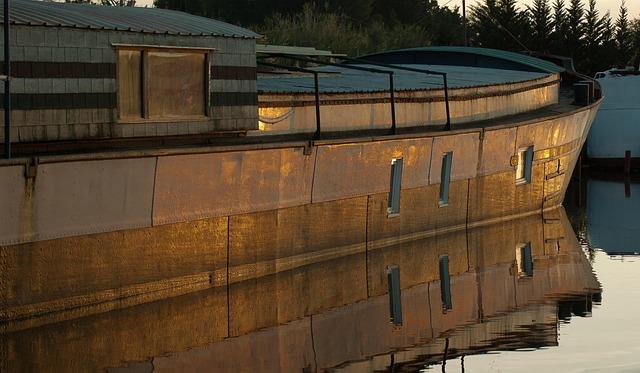
A Cruise Through History on the Canal du Midi: Exploring France’s Timeless Waterway
As travelers seek unique experiences that blend leisure with cultural enrichment, the Canal du Midi emerges as a compelling destination for those looking to explore the heart of France’s historical tapestry. This UNESCO World Heritage site, which stretches over 240 kilometers from the city of Toulouse to the Mediterranean Sea, offers more than just picturesque views; it serves as a living testament to 17th-century engineering and the burgeoning trade routes that once connected the Atlantic Ocean to the inland waterways. In this article, we delve into the enchanting journey along the Canal du Midi, highlighting its significance in French history, the vibrant landscapes that line its banks, and the modern-day experiences that await those who embark on this leisurely cruise through a bygone era. Join us as we navigate the convergence of nature, culture, and history that makes a holiday along the Canal du Midi an unforgettable adventure.
Exploring the Architectural Marvels Along the Canal du Midi
As you glide along the tranquil waters of the Canal du Midi, it’s hard not to be captivated by the architectural marvels that line this UNESCO World Heritage site. The canal, completed in the 17th century, showcases a series of stunning structures that reflect France’s rich history and engineering prowess. Among these treasures are the 19 locks, meticulously crafted to facilitate easier navigation, and bridges that blend seamlessly into the breathtaking landscape. Visitors are particularly drawn to the iconic Lock of Naurouze, where the waters of the canal meet the historic Langogne and Languedoc regions, serving as a pivotal junction and an architectural highlight.
The canal’s banks are adorned with charming villages and historical edifices, including vintage mills and rustic warehouses that once thrived during trade. Each stop reveals a new story, from the ancient Roman influences in Capestang to the grand Château de Ventenac, a prime example of the rural French aristocracy’s lifestyle. Not to be missed is the Ecluses de Fonséranes, a remarkable series of eight consecutive locks that create a waterfall effect, providing not just a transit solution but also a visual spectacle. Visitors often pause to admire the lush vineyards that hug the banks, reminding travelers that beauty and utility co-exist harmoniously along the canal’s path.
A Culinary Journey Through the Region’s Local Flavors
The Canal du Midi, a UNESCO World Heritage site, offers an unparalleled backdrop for exploring the culinary delights of the surrounding region. As you drift along the tranquil waters, you’ll encounter an array of local dishes that reflect the rich agricultural heritage of the south of France. Indulge your taste buds in languedocien specialties, where the freshness of ingredients shines through. Key flavors include:
- Tapenade: A savory olive spread often enjoyed with crusty bread.
- Cassoulet: A hearty bean stew infused with duck, sausage, and aromatic herbs.
- Fougasse: A rustic bread, fragrant with olive oil and herbs, perfect for sharing.
- Ratatouille: A colorful vegetable medley echoing the region’s vibrant market stalls.
Every town along the canal brims with market stalls and roadside cafés, where chefs are eager to showcase seasonal ingredients sourced from nearby farms. For an intimate understanding of local gastronomy, consider participating in one of the many culinary workshops offered throughout the region. Below are highlights of notable local producers:
| Local Producer | Specialty | Location |
|---|---|---|
| Les Jardins de la Lune | Organic Fruits & Vegetables | Beziers |
| Château de Puymin | Local Wines | Carcassonne |
| Fromagerie Artisanale | Cured Cheeses | Toulouse |
Top Recommendations for Unforgettable Stops and Attractions
As you glide along the serene waters of the Canal du Midi, you’ll encounter a plethora of breathtaking sights and historical treasures that are sure to leave a lasting impression. Stop at Carcassonne, an iconic fortified city where medieval charm meets modern allure. Wander through its cobbled streets, explore the impressive château, and soak in the views from its ramparts. Another must-visit destination is Toulouse, known as the “Pink City,” where vibrant architecture reflects its rich history. The breathtaking Basilica of Saint-Sernin, a UNESCO World Heritage site, is a highlight, showcasing stunning Romanesque design amid the lively atmosphere of this dynamic city.
Continuing your journey, don’t miss the picturesque Villeneuve-lès-Béziers, a quaint village that boasts a remarkable 19th-century bridge and lovely canalside cafes. The vibrant flower market here offers a sensory feast, perfect to enhance your canal-side picnic. For those interested in wine, a detour to Languedoc-Roussillon will uncover vast vineyards and invite tastings of local delights. The region’s renowned historical sites and verdant landscapes create opportunities for unforgettable experiences on land and water alike. An engaging mix of culture and nature awaits as you explore these enchanting spots, ensuring your cruise along the Canal du Midi is nothing short of extraordinary.
Historical Significance and Cultural Heritage of the Canal
The Canal du Midi is not just a marvel of engineering but also a symbol of the cultural and historical evolution of France. Commissioned in the 17th century by King Louis XIV, it facilitated trade and communication, connecting the Mediterranean Sea to the Atlantic Ocean. This strategic artery played a crucial role in the economic prosperity of the region, sparking the growth of towns and commerce along its banks. Its construction was a massive undertaking, reflecting the ambition of France’s monarch and an era defined by enlightenment and exploration. UNESCO recognized the canal as a World Heritage Site in 1996, acknowledging its influence on transportation, agriculture, and regional identity within the broader scope of European history.
Beyond its historical function, the canal is a treasure trove of cultural heritage. The picturesque villages that line its route—such as Carcassonne and Castelnaudary—echo tales of medieval life, while the rich flora and fauna of the region illustrate its ecological significance. Visitors can experience the legacy of traditional crafts, with local artisans preserving skills in pottery and winemaking that have been passed down through generations. The canal also hosts annual events celebrating its vibrant culinary traditions, from wine festivals to harvest fairs, further deepening the connection between the region’s history and its present-day culture.
| Aspect | Significance |
|---|---|
| Engineering Feat | One of the first major infrastructure projects in Europe. |
| Economic Impact | Boosted trade between two major bodies of water. |
| Cultural Events | Home to wine and culinary festivals celebrating local heritage. |
| Biodiversity | Supports diverse flora and fauna along its banks. |
Insights and Conclusions
As we conclude our journey through the historic landscapes of the Canal du Midi, it becomes clear that this UNESCO World Heritage site offers more than just picturesque views. It presents a unique window into the past, connecting travelers to the rich tapestry of French history and culture. Whether you’re drawn by the allure of leisurely boat rides, the enchanting vineyards, or the quaint villages dotted alongside the waterways, a cruise along the canal promises an unforgettable experience.
With each bend and turn, the Canal du Midi not only serves as a scenic route but also as a living narrative of engineering prowess and resilience, a reminder of the harmonious relationship between man and nature. For those considering their next holiday in France, this historic waterway invites exploration and reflection, offering a perfect blend of relaxation and discovery. As you plan your next trip, let the Canal du Midi be your gateway to a deeper understanding of France’s storied past.