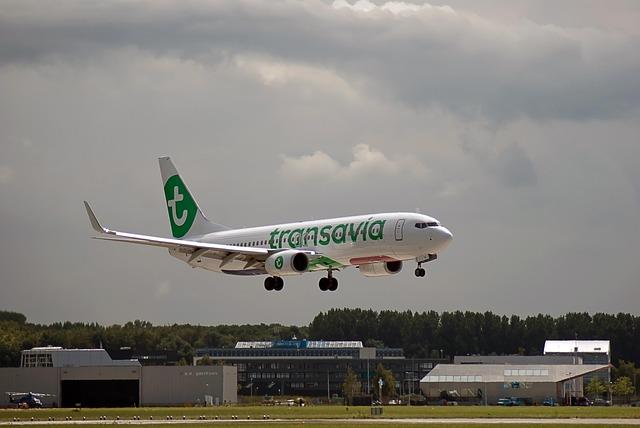
Transavia, the low-cost airline subsidiary of Air France-KLM, has announced the cancellation of approximately 2% of its flights scheduled for May and June, amid a worsening jet-fuel shortage in France. The disruption highlights the growing impact of the ongoing energy crisis on the aviation sector, as fuel supply constraints and soaring prices continue to challenge airlines across Europe. This development comes as travelers brace for further disturbances during the crucial spring and early summer travel period.
Transavia Reduces May–June Flight Schedule Amid Soaring Jet Fuel Costs
Transavia has announced a reduction in its flight schedule for the months of May and June, canceling approximately 2% of its planned departures as a direct response to escalating jet fuel prices. The airline cited the soaring costs of fuel in France as a critical factor influencing this decision, highlighting the broader challenges faced by carriers amid volatile energy markets. This proactive measure aims to mitigate financial losses while maintaining operational efficiency during a turbulent economic period.
The affected flights predominantly serve short-haul domestic and European routes, with priority given to sustaining key travel corridors. Passengers impacted by cancellations are being notified with options including rescheduling, refunds, or travel vouchers. Below is an overview of the cancellation impact by region:
| Region | % of Flights Canceled | Primary Routes Affected |
|---|---|---|
| France Domestic | 3.5% | Paris-Nice, Lyon-Marseille |
| Western Europe | 1.8% | Amsterdam, Barcelona, Berlin |
| Mediterranean | 1.2% | Lisbon, Rome, Athens |
Impact of France’s Jet Fuel Crisis on Airlines and Passenger Travel Plans
Several airlines have been forced to slash schedules amid widespread jet fuel shortages in France, with Transavia announcing cancellations amounting to 2% of its total flights between May and June. This disruption reflects broader challenges facing the aviation sector as suppliers struggle to meet demand, and factories contend with supply chain bottlenecks exacerbated by the ongoing energy crisis. Passengers are now facing delays, forced rebookings, and limited seat availability, as airlines prioritize essential routes and adjust operational strategies to mitigate the impact of fuel scarcity.
Travelers are advised to:
- Check with airlines directly for real-time flight updates and possible cancellations.
- Consider flexible ticket options to accommodate sudden changes in schedules.
- Prepare for longer wait times at airports due to adjusted flight itineraries.
- Monitor official communications regarding refueling services and their impact on flight operations.
| Airline | Flight Cancellation Rate (May–June) | Affected Routes |
|---|---|---|
| Transavia | 2% | Domestic & European short-haul |
| Air France | 3.5% | Select international hubs |
| EasyJet | 1.8% | Popular European leisure destinations |
Challenges Faced by Budget Carriers Navigating Rising Operational Expenses
Budget carriers like Transavia are grappling with escalating operational costs, primarily driven by soaring jet fuel prices. In response to the jet-fuel crisis impacting France, these airlines have been forced to adjust schedules, exemplified by Transavia’s decision to cancel 2% of its May–June flights. This reduction highlights the delicate balance low-cost airlines must maintain between affordability for passengers and profitability under tightening economic pressures.
Operational challenges extend beyond fuel expenses, encompassing:
- Increased maintenance costs due to aging fleets and intensified usage.
- Staff shortages as the industry recovers unevenly from the pandemic downturn.
- Higher airport fees and regulatory charges that are less negotiable for smaller carriers.
These factors combined place substantial strain on budget carriers, prompting strategic shifts such as route optimization, selective flight cancellations, and an overall emphasis on cost-efficiency to mitigate the impact without compromising service quality.
Strategies for Travelers to Mitigate Disruptions During Flight Cancellations
In light of the increasing flight cancellations, it is crucial for travelers to adopt proactive measures. First and foremost, keeping abreast of airline notifications and real-time flight status updates via official apps or trusted travel platforms can significantly reduce last-minute inconveniences. Having flexible travel dates and booking tickets with refundable or change-friendly policies not only offers peace of mind but also financial protection in uncertain times. Additionally, enrolling in airline notification programs ensures travelers receive immediate alerts on cancellations or rebookings, minimizing downtime at the airport.
Practical on-the-ground strategies are equally important when navigating flight disruptions. Travelers should:
- Arrive early at airports to allow ample time for rebooking or customer service consultations.
- Prepare essential supplies such as snacks, chargers, and vital documents in carry-on luggage to stay comfortable during unexpected delays.
- Explore alternative routes or nearby airports as backup options, which may offer faster re-accommodation.
- Maintain an emergency fund for unforeseen expenses like overnight stays or last-minute transportation arrangements.
| Tip | Benefit |
|---|---|
| Subscribe to Airline Alerts | Immediate updates for smoother rebooking |
| Flexible Ticketing | Minimize financial losses on cancellations |
| Backup Airport Options | Increased chances of alternate flights |
| Essentials in Carry-On | Comfort during delays and cancellations |
The Conclusion
As the jet-fuel crisis continues to impact France’s aviation sector, Transavia’s decision to cancel 2% of its May–June flights underscores the challenges airlines face in maintaining schedules amid rising operational costs. Travelers are advised to stay informed about potential disruptions and monitor airline communications closely. The situation remains fluid, with industry stakeholders seeking solutions to stabilize fuel supplies and mitigate further disturbances in the weeks ahead.