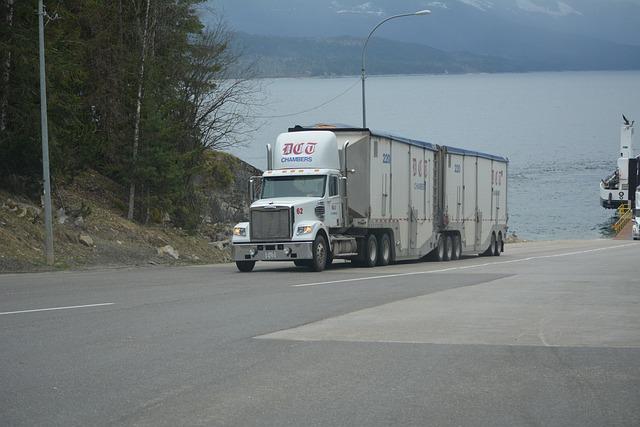
Lorry Drivers Plan French Motorway Blockades Over Rising Fuel Prices
In a significant escalation of tensions surrounding soaring fuel costs, lorry drivers across France are gearing up for a series of planned blockades on major motorways. The protests, organized by various transport unions, aim to draw attention to the financial strain that skyrocketing fuel prices are placing on the logistics industry and everyday consumers alike. As truckers prepare to bring traffic to a standstill, authorities and commuters brace for potential disruptions that could ripple through supply chains and impact essential services. This move highlights the growing frustration among drivers, who are demanding urgent government intervention to address the escalating crisis. As the situation develops, the implications for both the economy and everyday life in France are becoming increasingly uncertain.
Lorry Drivers Mobilize for Protest Amid Rising Fuel Costs
In a show of solidarity against soaring fuel prices, lorry drivers across France have announced plans to stage significant motorway blockades. As costs for diesel and petrol continue to climb, the protest aims to draw attention to the financial pressures facing the transport sector and the broader implications for consumers. Organizers are urging drivers to participate en masse, with expected disruptions in key areas including major urban centers and transportation hubs. The blockade strategy is designed not only to highlight their struggle but also to push for governmental intervention regarding fuel price regulations.
The impact of these planned demonstrations could be substantial. Many businesses rely on lorry transportation for goods and services, and disruptions could lead to delays and shortages. Support for the protest is gaining momentum, with key points of discussion focusing on:
- Fuel Tax Revisions: Calls for a reassessment of current fuel taxes that heavily burden drivers.
- Subsidies for Transport Companies: Requests for financial assistance to help alleviate rising operational costs.
- Public Awareness Campaigns: Efforts to inform the public about the impact of high fuel prices on everyday logistics.
| Fuel Type | Current Price (€) | Price Change (Last Month) |
|---|---|---|
| Diesel | 1.80 | +0.20 |
| Petrol | 1.65 | +0.15 |
As discussions unfold, the lorry drivers’ plight resonates with many who feel the pinch of rising living costs. This wave of protests may be just the beginning, as workers across various sectors are beginning to voice concerns over economic policies that seem to overlook their needs. The call for unity among lorry drivers may inspire a broader movement for change, signaling a pivotal moment in labor rights activism within France.
Impact of Blockades on Supply Chains and Consumer Prices
The recent decision by lorry drivers to initiate blockades on French motorways underscores the fragility of supply chains that crisscross Europe. Such actions disrupt not only the flow of goods but also amplify the existing challenges faced by transportation industries. With decreased mobility on essential freight routes, the ripple effects on logistics can be profound, leading to delays in deliveries that affect a wide array of sectors, from retail to agriculture. This bottleneck may trigger a cascade of shortages, impacting availability of products and creating a strain on businesses that rely heavily on timely shipments.
Moreover, the financial implications of these blockades extend beyond mere supply chain disruptions. As transportation costs escalate due to fuel price hikes and logistical complexities, consumers are likely to feel the pinch in their wallets. This could manifest in rising consumer prices, with essential goods experiencing the most significant cost increases. The potential for price inflation can be illustrated in the following table, highlighting anticipated price changes in key sectors affected by the blockades:
| Sector | Estimated Price Increase (%) |
|---|---|
| Groceries | 5-10% |
| Construction Materials | 8-12% |
| Automotive Parts | 6-9% |
| Pharmaceuticals | 4-7% |
Government Response to Fuel Price Dilemmas for Transport Sector
The escalating fuel prices have prompted significant unrest within the transport sector, leading lorry drivers to plan blockade actions on French motorways. As frustration mounts, the government is under pressure to address these surging costs impacting logistics and transportation. Fleet operators have expressed concerns that inflated fuel prices could threaten their livelihoods, adversely affecting supply chains and causing a ripple effect on consumer prices. In response, the government is considering a range of measures aimed at alleviating this burden and maintaining stability in the transport sector.
Among the potential solutions being discussed are:
- Subsidies for Fuel Prices: Providing financial assistance to transport operators to help offset increased costs.
- Temporary Tax Reductions: Implementing short-term reductions in fuel taxation to offer immediate relief to drivers.
- Investment in Alternative Energy: Promoting the transition to electric and hybrid vehicles to reduce dependence on fossil fuels.
| Measure | Impact |
|---|---|
| Fuel Subsidies | Short-term relief for transport companies |
| Tax Reductions | Increased affordability for lorry drivers |
| Alternative Energy Investment | Long-term sustainability in transport |
Strategies for Resolving Fuel Price Disputes in the Long Term
To effectively tackle the ongoing disputes surrounding fuel prices, it is essential to implement a series of proactive strategies aimed at fostering long-term solutions. Stakeholder engagement is a critical first step, wherein government officials, industry representatives, and driver associations collaborate to discuss grievances and potential resolutions. Additionally, establishing a transparent pricing mechanism can help ensure that all parties are informed of the factors influencing fuel costs. This could involve regular public reports detailing price-setting methodologies, regional fluctuations, and international market trends.
Another pivotal strategy involves investing in alternative fuels and technologies. By diversifying fuel sources, the reliance on traditional fossil fuels can decrease, leading to more stable pricing. The implementation of tax incentives for green fuel initiatives could encourage companies and drivers to explore more sustainable options. Furthermore, the government could consider creating an emergency fund to temporarily stabilize prices during extreme fluctuations, providing relief to drivers and mitigating future disputes. Maintaining open channels for communication and feedback will ensure that strategies remain relevant and effective over time.
To Wrap It Up
In conclusion, the planned blockades by lorry drivers across France mark a significant development in the ongoing debate over rising fuel prices and their impact on the transport sector. As frustrations mount, the potential disruptions to supply chains and daily commutes underscore the urgency of addressing these economic challenges. With the situation evolving, it remains to be seen how both government officials and industry leaders will respond to the drivers’ calls for action. As stakeholders brace for potential gridlock, the focus will inevitably shift to finding sustainable solutions that balance the needs of drivers, consumers, and the broader economy. The Connexion will continue to monitor this situation closely, providing updates as events unfold.