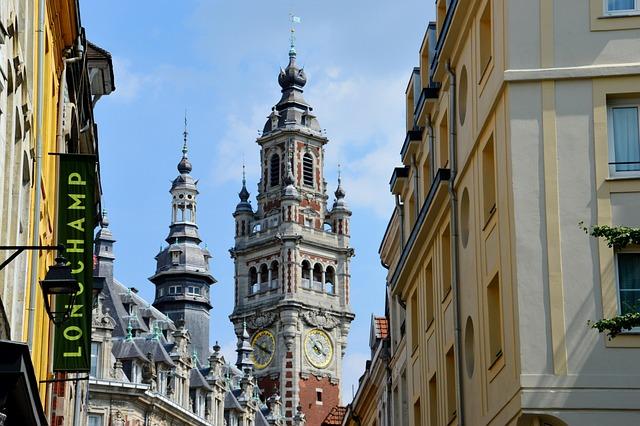
Northern French City of Lille to Host New EU Customs Authority
In a significant development for trade and customs operations across Europe, the northern French city of Lille has been selected as the headquarters for the European Union’s new customs authority. The decision, announced amid rising complexities in international trade and Brexit-related adjustments, aims to streamline customs procedures for EU member states and enhance cooperation on cross-border trade. Lille, with its strategic location near key transport routes and its status as a burgeoning hub for commerce, is poised to play a central role in shaping the future of EU customs policy. This move is expected to not only bolster the local economy but also strengthen the EU’s capacity to manage its external borders and facilitate smoother trade flows within its single market.
New EU Customs Authority Set to Transform Lille’s Economic Landscape
The establishment of a new customs authority in Lille promises to reshape the city’s economic prospects dramatically. As the EU seeks to streamline border processes and enhance trade facilitation, Lille is poised to become a pivotal hub for cross-border exchanges. The authority will bolster local businesses by significantly reducing customs clearance times and providing direct access to EU-wide resources. Experts predict that the presence of this agency will not only enhance service efficiency but also attract investments, ultimately fostering job creation in the region.
Furthermore, the customs authority is expected to enhance cooperation between EU member states, creating a more cohesive trading environment. Key benefits of this development include:
- Increased Trade Efficiency: Faster processing times for exporters and importers.
- Job Opportunities: Potential for new employment in customs and logistics sectors.
- Improved Infrastructure: Upgrades to transport networks to accommodate heightened trade activity.
- Enhanced Collaboration: Strengthened partnerships between local government and businesses.
| Expected Outcomes | Timeline |
|---|---|
| Reduction in Clearance Times | By Q4 2024 |
| Investment Increase | Within 2 Years |
| Job Creation | Ongoing |
Impact on Trade Dynamics and Regional Development in Northern France
The establishment of a new EU customs authority in Lille marks a pivotal shift in trade dynamics within Northern France. This strategic location not only enhances the region’s logistical capabilities but also amplifies its significance as a gateway to international markets. Key factors contributing to this transformation include:
- Enhanced Infrastructure: Investment in transport networks and facilities is expected to boost connectivity with neighboring countries.
- Job Creation: The opening of the customs authority will likely lead to an influx of employment opportunities, strengthening the local economy.
- Competitive Advantage: Proximity to customs services can streamline processes for businesses, making Northern France a more attractive location for trade.
In addition to altering trade dynamics, the presence of the EU customs authority is poised to spur regional development in several ways. With increased trade activity, local enterprises may see a rise in demand for goods and services, fostering innovation and entrepreneurship. Moreover, the authority can facilitate partnerships between various stakeholders, including:
- Small and Medium Enterprises (SMEs): SMEs can benefit from resources and support provided by the customs authority.
- Research Institutions: Opportunities for collaboration on trade-related research can emerge, leading to enhanced knowledge sharing.
- Local Governments: Partnerships will enhance local governance and policy development to support economic growth.
Infrastructure Enhancements and Workforce Implications
The establishment of the new EU customs authority in Lille is set to transform the local infrastructure landscape significantly. To support its operational needs, the city will witness an influx of investments aimed at enhancing transport networks, data handling facilities, and customs processing capabilities. Key initiatives include:
- Expansion of transport links: Upgraded rail and road networks to facilitate smoother cargo movement.
- Smart technology integration: Implementation of advanced tracking systems for efficient customs clearance.
- Increased logistics hubs: Development of dedicated facilities for storing and processing goods.
However, these infrastructure enhancements also imply substantial changes for the local workforce. The demand for skilled labor in customs operations and logistics management will rise, prompting a shift in employment dynamics. Key implications include:
- New job creation: Anticipated positions in customs administration and IT management will bolster the local economy.
- Upskilling opportunities: Existing workers may be encouraged to pursue further education in compliance and logistics.
- Regional economic growth: The authority’s presence is expected to attract related businesses, creating a ripple effect in job availability.
| Impact Area | Expected Outcome |
|---|---|
| Infrastructure Investment | Enhanced transport and logistics capabilities |
| Labor Market | Increased job opportunities and skill development |
| Economic Growth | Attraction of new businesses and improved local economy |
Recommendations for Local Businesses to Adapt to Regulatory Changes
As the new EU customs authority sets up in Lille, local businesses must be proactive in adapting to an evolving regulatory landscape. Engaging with local chambers of commerce can provide valuable insights into upcoming changes and allow businesses to voice their concerns. Establishing strong connections with compliance specialists will also help navigate the complexities of customs regulations. Businesses should consider the following strategies:
- Stay Informed: Regularly check updates from the EU regarding customs regulations.
- Attend Workshops: Participate in training sessions focused on compliance practices.
- Upgrade Technology: Implement software solutions that streamline customs documentation.
Furthermore, collaboration among local enterprises can foster a resilience against potential disruptions. Forming alliances with logistics partners can enhance distribution efficiency and adapt to any changes in tariffs or taxes. Implementing a feedback mechanism with clients will also ensure that businesses can quickly respond to shifts in customer expectations caused by regulatory changes. Consider establishing a task force dedicated to monitoring and addressing potential impacts by adhering to the following action plan:
| Action | Responsible Party | Timeline |
|---|---|---|
| Compliance Training | HR Department | Q1 2024 |
| Technology Upgrade | IT Department | Q2 2024 |
| Client Feedback Survey | Marketing Team | Ongoing |
Final Thoughts
In conclusion, the selection of Lille as the host city for the new EU customs authority marks a significant development not only for the region but for the European Union as a whole. With its strategic location and robust infrastructure, Lille is poised to become a pivotal hub for customs operations, enhancing trade efficiency and regulatory compliance across member states. As the authority begins its work, stakeholders will be closely watching how this move influences local economies and strengthens the EU’s collective response to customs challenges in an increasingly interconnected world. The establishment of this authority is a testament to the EU’s commitment to improving trade relations and ensuring smoother borders, setting the stage for a new chapter in European cooperation.