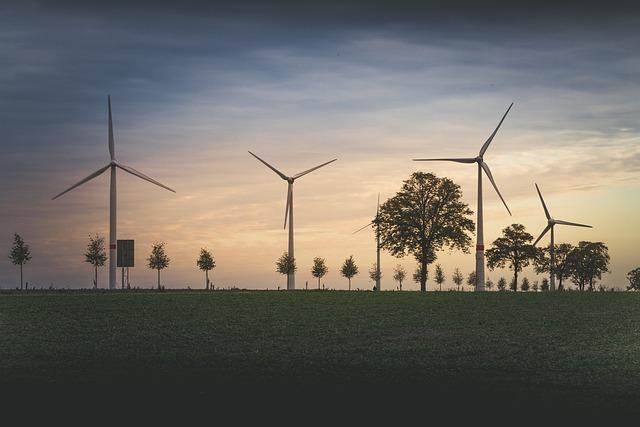
France has announced a comprehensive set of measures aimed at accelerating its transition to electric power, marking a significant step in the country’s commitment to clean energy and climate goals. The new initiatives, unveiled by the government, focus on boosting electric vehicle adoption, expanding renewable energy infrastructure, and enhancing energy efficiency across various sectors. This move underscores France’s dedication to reducing carbon emissions and positioning itself as a leader in the global shift towards sustainable energy solutions.
France Accelerates Transition to Electric Power with New Government Initiatives
In a bold move to combat climate change and foster sustainable development, the French government has introduced several groundbreaking policies aimed at expediting the nation’s transition to electric power. Key measures include increased subsidies for electric vehicle (EV) purchases, enhanced infrastructure funding for charging stations, and revised regulations to support renewable energy integration into the national grid. These initiatives are designed to reduce fossil fuel dependence significantly by 2030 while boosting France’s competitive edge in green technology.
- EV Purchase Incentives: Up to €7,000 rebates for new electric cars
- Charging Infrastructure: €300 million allocated for nationwide fast-charging stations
- Renewable Integration: Streamlined permits for wind and solar farms
- Research Investment: €500 million dedicated to battery innovation and storage solutions
| Target Year | EV Adoption Goal | Renewable Energy % | Charging Points Goal |
|---|---|---|---|
| 2025 | 25% of new car sales | 40% | 20,000 |
| 2030 | 60% of new car sales | 65% | 100,000 |
Experts suggest these reforms will not only accelerate carbon neutrality goals but also create thousands of green jobs across the country. With a comprehensive approach encompassing financial incentives, infrastructure expansion, and regulatory reform, France is setting a robust example for other nations aiming to harness electric power as a primary energy source.
Boosting Renewable Energy Infrastructure to Reduce Carbon Emissions
France has announced ambitious initiatives that will significantly expand the nation’s renewable energy infrastructure, aiming to dramatically cut down carbon emissions over the next decade. The measures focus on accelerating the deployment of wind, solar, and hydropower projects, backed by enhanced government funding and streamlined permitting processes. By prioritizing these clean technologies, France expects to reduce reliance on fossil fuels and foster energy independence while contributing to global climate goals.
Key actions include:
- Introducing fast-track approval for large-scale renewable projects
- Allocating €5 billion for upgrading electricity grid capacity
- Incentivizing public-private partnerships to spur innovation
- Expanding offshore wind farm zones along the Atlantic coast
| Renewable Sector | 2024 Target Capacity | Estimated Carbon Reduction (Mt CO2) |
|---|---|---|
| Onshore Wind | 12 GW | 7.5 |
| Offshore Wind | 8 GW | 5.2 |
| Solar PV | 15 GW | 9.8 |
| Hydropower | 10 GW | 6.0 |
Experts highlight that this push not only aligns with France’s commitment to the Paris Agreement but also creates thousands of green jobs, stimulating economic growth. The government’s commitment to integrating these renewables with smart grid technology is expected to enhance energy efficiency and reliability, positioning France as a leader in Europe’s clean energy transition.
Incentives and Support Measures for Electric Vehicle Adoption
To stimulate widespread adoption of electric vehicles, the French government has introduced a comprehensive package of financial incentives aimed at both consumers and manufacturers. Key measures include purchase subsidies of up to €7,000 for new electric cars, coupled with tax breaks for electric vehicle buyers. Further support is extended through reduced registration fees and exemptions from toll charges on national highways, significantly lowering the overall cost of ownership. Additionally, funds have been allocated to expand charging infrastructure nationwide, addressing one of the primary obstacles faced by prospective EV owners.
Manufacturers and local businesses stand to benefit from policy measures designed to accelerate production and innovation in electric mobility. The government offers grants and favorable loans to companies investing in battery technology and charging station deployment. Public-private partnerships will be encouraged to enhance research and development efforts, fostering a sustainable ecosystem for EVs. The following table outlines the main support components:
| Measure | Details | Benefit |
|---|---|---|
| Purchase Subsidy | Up to €7,000 | Reduced upfront cost |
| Tax Incentive | Income tax credits | Lower tax burden |
| Charging Infrastructure | €500 million budget | Expanded network |
| Toll Exemption | All national highways | Lower commuting costs |
| Manufacturer Grants | R&D and innovation funding | Boosted production |
Strategic Recommendations for Sustainable Energy Expansion
To effectively accelerate the transition towards a cleaner energy future, it is imperative to prioritize a framework that supports holistic policy integration. This involves aligning economic incentives with environmental goals, facilitating private sector investments, and fostering innovation in renewable technologies. A robust regulatory environment, combined with transparent and stable market signals, will encourage stakeholders to commit resources towards expanding renewable energy infrastructure and phasing out fossil fuel dependency.
- Expand grid modernization programs to handle the increased flow of intermittent renewable energy sources.
- Enhance cross-border energy cooperation for a resilient and balanced electricity network.
- Invest in energy storage solutions to mitigate supply fluctuations and ensure continuous access.
- Promote community-led energy projects to boost local engagement and socio-economic benefits.
| Strategy | Expected Impact | Timeline |
|---|---|---|
| Smart grid deployment | Improved energy efficiency | 2025-2030 |
| Renewable incentive schemes | Increased investment inflow | 2024-2027 |
| Energy storage scaling | Grid stability | 2026-2032 |
| Community energy programs | Local economic growth | 2024-2026 |
The Way Forward
France’s newly announced measures to accelerate the transition to electric power mark a significant step in the country’s commitment to sustainable energy and climate goals. By streamlining regulatory frameworks, boosting investments in renewable infrastructure, and promoting electric vehicle adoption, the French government aims to reduce carbon emissions and enhance energy independence. As these initiatives take shape, their impact will be closely watched both domestically and globally, highlighting France’s evolving role in the global shift towards cleaner energy.