

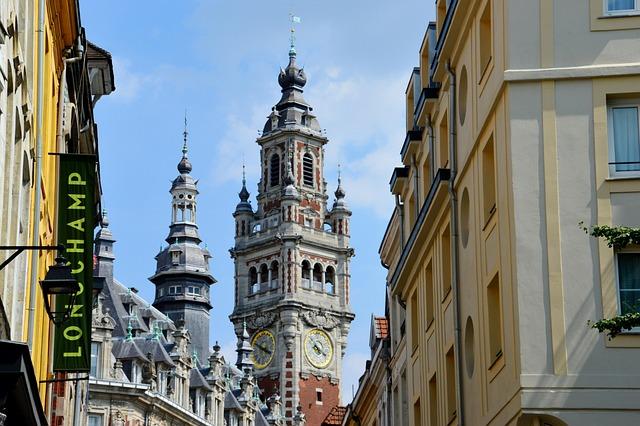
Lille Wins Race to Host EU Customs Authority
In a significant development for European governance, the city of Lille, France, has emerged victorious in the competition to host the new European Union Customs Authority. This decision marks a pivotal moment in the EU’s ongoing efforts to enhance customs efficiency and streamline cross-border trade within the bloc. Announced by EU officials earlier today, the selection of Lille not only underscores the city’s strategic location and infrastructure but also highlights the increasing importance of customs regulation in the post-Brexit landscape. As the EU seeks to fortify its internal market against external challenges, the establishment of the Customs Authority in Lille promises to play a crucial role in shaping the future of trade across member states.
Lille Secures EU Customs Authority: A Strategic Move for European Integration
Lille’s successful bid to host the new EU customs authority marks a turning point in European integration and cooperation. This strategic decision underscores the city’s central role in facilitating cross-border trade and harmonizing customs procedures across member states. By positioning itself as a hub for customs operations, Lille not only strengthens its economic infrastructure but also enhances its influence within the EU, inviting businesses and stakeholders to converge in a region primed for growth.
The establishment of the customs authority in Lille will bring several key advantages:
- Streamlined Customs Processes: Improved efficiency in handling customs regulations will benefit businesses throughout Europe.
- Economic Growth: The influx of jobs and investments in the region will bolster the local economy.
- International Collaboration: Enhanced partnerships among EU countries will lead to more effective trade policies.
To illustrate the potential impact of this strategic move, consider the following table outlining expected outcomes:
| Outcome | Description |
|---|---|
| Job Creation | Estimates suggest thousands of new positions will be generated in customs operations and support services. |
| Investment Opportunities | Private enterprises may see a rise in investments as they capitalize on the centralized customs operations. |
| Regional Development | Infrastructure upgrades in Lille are anticipated as the city prepares to house the new authority. |
Economic Impact of Hosting the EU Customs Authority in Lille
The decision to establish the EU Customs Authority in Lille is poised to transform the local economy significantly. Job creation is expected to surge as numerous administrative roles will be needed to support the new authority. Beyond direct employment, the influx of international professionals may stimulate local businesses, thereby enhancing the economic landscape. Lille could also become a hub for logistics and trade-related services, creating a multiplication effect that further benefits regional development.
Furthermore, the presence of the customs authority is likely to boost infrastructure investments in transport and public services. Enhanced connectivity could facilitate smoother trade operations, attracting businesses that rely on efficient logistics. The anticipated rise in tourism related to conferences and industry events held in Lille also presents a lucrative opportunity for the hospitality sector. To summarize, the establishment of the customs authority is expected to be a catalyst for multifaceted economic growth in Lille, with long-term benefits for both local residents and businesses.
| Economic Benefits | Potential Growth Areas |
|---|---|
| Job Creation | Logistics and Trade Services |
| Infrastructure Development | Hospitality and Tourism |
| Increased Investment | Local Business Growth |
Infrastructure and Innovation: Preparing Lille for a New Era
Lille’s selection as the new home for the EU customs authority is set to transform the city into a major player in European logistics and trade. This strategic move not only signifies the EU’s confidence in Lille but also underscores the city’s commitment to enhancing infrastructure and innovation. With the customs authority’s presence, significant investments are anticipated in transportation networks, digital technologies, and sustainable practices, all aimed at boosting efficiency and promoting cross-border trade. Key initiatives may include upgrades to:
- Transport Infrastructure: Expanding rail connections and upgrading local ports.
- Digital Solutions: Implementing advanced data systems to streamline customs processes.
- Green Technology: Introducing eco-friendly transport options to minimize environmental impact.
The ripple effects of this victory could lead to job creation and a surge in local businesses catering to the expanded customs operations. As Lille positions itself as a hub of regulatory and trade activities, collaboration between local authorities, businesses, and educational institutions will be crucial. Developing a skilled workforce equipped to embrace these changes can be fostered through:
| Area of Focus | Objectives |
|---|---|
| Vocational Training | Prepare workers for jobs in customs and logistics |
| Public-Private Partnerships | Encourage innovation through collaboration |
| Research Initiatives | Explore new technologies for customs efficiency |
Recommendations for Maximizing Benefits from the EU Customs Authority Presence
To fully leverage the relocation of the EU Customs Authority to Lille, stakeholders should prioritize collaboration and information sharing among local businesses and government entities. Engaging in regular workshops and seminars will encourage dialogue on best practices and compliance strategies, ensuring that all participants are well-informed about the nuances of EU customs regulations. Additionally, creating a formal network among companies can foster mutual support, allowing businesses to exchange resources and insights that can lead to streamlined operations and improved efficiency.
Furthermore, it is vital to establish a dedicated support system that caters specifically to SMEs looking to navigate the complexities of customs procedures. This could include:
- Dedicated assistance hotlines for immediate inquiry resolution
- Tailored training programs focusing on compliance and documentation
- Online resources featuring up-to-date guidelines and case studies
These initiatives not only equip businesses with the necessary tools but also contribute to a culture of transparency and trust among all stakeholders involved. A proactive approach will ensure a thriving ecosystem surrounding the customs authority’s new presence in Lille.
Key Takeaways
In conclusion, Lille’s successful bid to host the EU Customs Authority marks a significant milestone for the city and the broader European Union landscape. As the EU seeks to modernize and streamline its customs operations, Lille’s central location and commitment to facilitating trade position it as a pivotal player in this crucial domain. The decision not only highlights the competitive spirit of European cities but also underscores the EU’s ongoing efforts to enhance cooperation and efficiency in customs management. As Lille prepares to welcome the authority, stakeholders will be watching closely to see how this development shapes the future of customs operations in Europe.


![[Interview] France school protests go deeper than rioting or reactionism, says Sciences Po lecturer – EUobserver](https://news-france.info/wp-content/uploads/2026/10/72634-interview-france-school-protests-go-deeper-than-rioting-or-reactionism-says-sciences-po-lecturer-euobserver-450x319.jpg "France School Protests Uncover Deeper Social Struggles Beyond Riots and Reactionism, Expert Says")