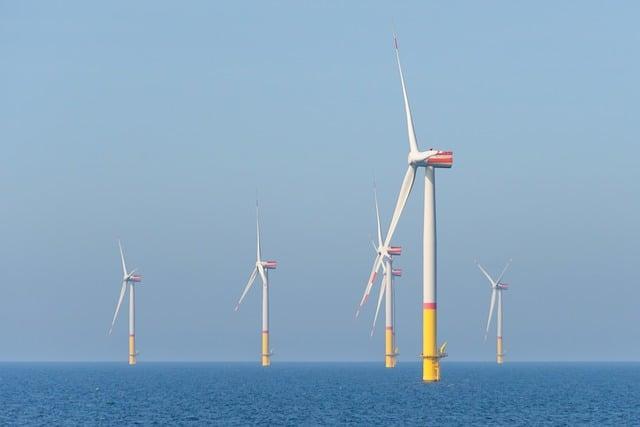
France is set to accelerate its renewable energy ambitions with plans to award contracts for 10 offshore and floating wind projects by early 2027, according to a recent report from Bloomberg.com. This move marks a significant step in the country’s strategy to expand its clean energy capacity, reduce reliance on fossil fuels, and meet its climate targets. The upcoming project awards will position France among the leading European nations investing in innovative offshore wind technology, particularly floating wind farms, which offer new opportunities in deeper waters.
France Targets Offshore Wind Expansion with Ambitious Project Awards by 2027
France is accelerating its commitment to renewable energy by planning a significant awarding of projects that will enhance its offshore and floating wind capacity. By early 2027, the government aims to finalize contracts for 10 new projects, reinforcing its position as a major player in the European green energy transition. This strategic move comes as part of the country’s broader goal to reduce carbon emissions and diversify its energy portfolio amid rising global energy demands. The selected sites will cover both fixed offshore wind farms and innovative floating wind technologies, addressing geographical and environmental challenges along the extensive French coastline.
Key highlights of the planned award phase include:
- Accelerated timelines for project approvals and financial support
- Focus on integrating cutting-edge floating wind turbines capable of deeper water installation
- Collaboration opportunities with international developers and technology providers
- Commitment to local economic benefits, including job creation and infrastructure investments
| Project Type | Expected Capacity (MW) | Location | Projected Online Date |
|---|---|---|---|
| Fixed Offshore Wind | 800 | Normandy Coast | 2029 |
| Floating Offshore Wind | 600 | Brittany Coast | 2030 |
| Floating Offshore Wind | 300 | Provence Coast | 2030 |
Strategic Focus on Floating Wind Technologies to Boost Renewable Capacity
The French government is doubling down on innovation by prioritizing floating wind technology as a key pillar in its renewable energy expansion. With traditional fixed offshore wind farms sometimes limited by shallow coastal waters, floating platforms offer the flexibility to tap into deeper, more turbulent zones with stronger and more consistent winds. This strategic pivot aims to significantly enhance France’s clean energy portfolio, enabling the country to meet its ambitious climate targets while bolstering energy security.
Industry experts anticipate that the upcoming tender process will stimulate significant investments and technological advancements. The move also opens new opportunities for coastal communities and local economies through job creation and infrastructure development. Key advantages of floating wind technology include:
- Expanded site selection beyond shallow continental shelves
- Reduced environmental impact on seabed ecosystems
- Potential for higher energy yields due to stronger offshore winds
| Technology Aspect | Benefit |
|---|---|
| Modular Design | Ease of transport and assembly |
| Dynamic Mooring Systems | Improved stability in rough seas |
| Advanced Materials | Extended lifespan and corrosion resistance |
Economic and Environmental Impacts of France’s Offshore Wind Initiative
France’s ambitious offshore wind program is set to not only transform the nation’s energy landscape but also deliver substantial economic benefits. The development of 10 offshore and floating wind projects is projected to generate thousands of jobs across construction, maintenance, and technology sectors, stimulating regional economies along the coastline. This initiative is expected to attract billions in investment, positioning France as a major player in the growing European wind energy market. Local supply chains will receive a significant boost, with opportunities for manufacturing, logistics, and specialized engineering services expanding in tandem with the projects.
Beyond economic gains, the environmental ramifications stand to be equally profound. Offshore wind farms will play a crucial role in reducing France’s carbon footprint by providing clean, renewable energy to millions of households. By harnessing strong, consistent marine winds, these projects will help displace fossil fuel dependence, decreasing greenhouse gas emissions and pollution. However, careful attention is being paid to marine biodiversity and ecosystem preservation, with advanced environmental monitoring and mitigation strategies integrated from project inception.
| Impact Area | Projected Outcome |
|---|---|
| Job Creation | Over 15,000 new jobs |
| Investment | €12 billion by 2027 |
| Carbon Reduction | Up to 6 million tons CO2 annually |
| Energy Output | 4 GW of offshore wind capacity |
Recommendations for Stakeholders to Maximize Opportunities in France’s Wind Sector
To fully capitalize on the upcoming offshore and floating wind projects, stakeholders must adopt a multi-faceted approach that leverages France’s advantageous regulatory framework and technological innovations. Collaboration with local authorities and communities will be critical to streamline permits and foster social acceptance, reducing potential delays. Additionally, forming strategic partnerships with engineering firms specializing in floating turbine technology could accelerate deployment while driving cost efficiencies. Investors should also stay attuned to government incentives designed to de-risk projects, ensuring competitive bidding submissions align with France’s sustainability goals.
Moreover, fostering a robust supply chain within the region will increase resilience against global market fluctuations and enhance job creation. The following table summarizes key focus areas and corresponding actions for stakeholders:
| Key Focus | Recommended Action | Expected Benefit |
|---|---|---|
| Community Engagement | Host informational forums and outreach programs | Increased local support and reduced opposition |
| Technology Collaboration | Partner with offshore tech R&D centers | Accelerated innovation and cost reduction |
| Supply Chain Development | Invest in local manufacturing capabilities | Job creation and supply stability |
| Regulatory Alignment | Engage early with permitting agencies | Smoother approval process and timeline certainty |
Future Outlook
As France accelerates its commitment to renewable energy, the planned awarding of 10 offshore and floating wind projects by early 2027 marks a significant step in expanding the country’s clean energy portfolio. This initiative not only underscores France’s efforts to reduce carbon emissions but also positions the nation as a key player in the burgeoning offshore wind sector. Industry stakeholders and environmental advocates alike will be watching closely as the government finalizes these projects, which are expected to contribute substantially to France’s energy transition and economic growth in the coming years.