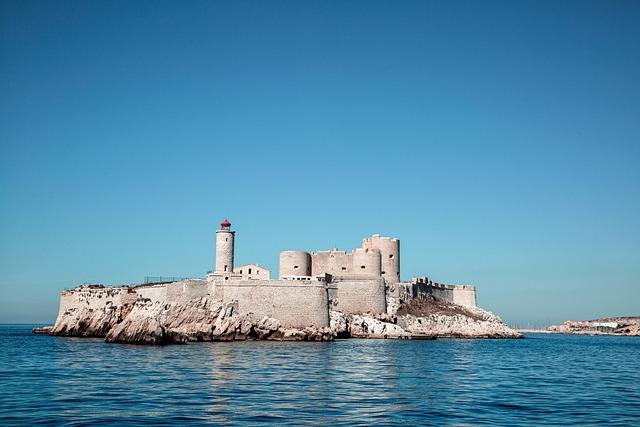
Wildfire Threatens Marseille, Shuts Down Airport in Southern France
A fierce wildfire has erupted near Marseille, forcing authorities to take swift action as flames approach the city limits. The rapidly spreading blaze has already led to the temporary closure of the Marseille Provence Airport, disrupting travel plans for thousands of passengers. As firefighters battle the raging inferno, concerns are rising about the impact on local communities and the surrounding environment. The incident highlights the growing frequency of wildfires in southern France, exacerbated by extreme weather conditions. Residents are urged to remain vigilant as the situation develops, and emergency services are mobilized to contain the fire and protect lives.
Wildfire Woes: An Overview of the Marseille Crisis
The recent wildfire crisis in Marseille has escalated to alarming levels, prompting emergency evacuations and widespread disruption. Nearly 1,000 acres of land have been engulfed by flames, threatening both residential areas and natural reserves. Authorities have mobilized firefighting units from across the region, utilizing aerial support to combat the advancing blaze. The situation was exacerbated by dry conditions and strong winds, which have stoked the flames, prompting the local government to declare a state of emergency. Key areas affected include:
- Saint-Charles: Evacuations of multiple neighborhoods
- Aerodrome de Marseille: Temporary shut down due to safety concerns
- Calanques National Park: High-risk areas close to residential zones
In response to the ongoing crisis, a coordinated effort from local and national emergency services is underway. Citizens are urged to stay informed and prepared for potential evacuations. Several shelters have been established for those displaced, as support services extend their reach in light of the emergency. The French government has also announced plans to review and bolster forest management practices to mitigate future risks. The full extent of the damage will only be assessed once conditions stabilize, but preliminary estimates indicate significant losses to both property and habitat. A brief overview of emergency response resources includes:
| Resource Type | Current Status |
|---|---|
| Firefighting Teams | Engaged in active combat |
| Evacuation Centers | Open and operational |
| Aerial Support | Deploying water drops |
Air Travel Disruptions: Impact on Travelers and Local Economy
The recent wildfire near Marseille has resulted in significant disruptions to air travel, with the local airport being forced to shut down amid rising flames and deteriorating conditions. As flights have been canceled or diverted, travelers are facing unexpected delays and uncertainty. Many passengers are experiencing a cascade of complications, including last-minute hotel bookings, rescheduling of connecting flights, and in some cases, being stranded without their luggage. Travelers are advised to check with airlines for the latest updates and consider alternative travel plans as the situation unfolds.
The economic impact of this disruption extends beyond the airport gates. Local businesses, heavily reliant on tourism, are bracing for a downturn as fewer travelers arrive in the region. Restaurants, hotels, and service providers are likely to see a decline in revenue due to the lack of visitors. Moreover, the employment landscape could be affected as the tourism sector, which is a vital cog in the local economy, faces prolonged challenges. In response, stakeholders are already discussing crisis management strategies, highlighting the need for resilience in the face of environmental threats.
| Impact Area | Description |
|---|---|
| Travelers | Flight cancellations and delays, loss of baggage |
| Local Businesses | Reduced customer footfall, declining revenue |
| Employment | Potential job losses in tourism sector |
| Economic Recovery | Need for crisis management and support strategies |
Emergency Response: Evaluating Efforts and Safety Measures
As wildfires rage near Marseille, emergency services have mobilized extensive resources to combat the flames and ensure public safety. The rapid spread of the fire prompted the closure of Marseille Provence Airport, disrupting travel plans for thousands. Local authorities have enacted evacuation orders for nearby communities, showcasing the severity of the situation. Firefighting teams have been deployed from across the region, utilizing both aerial support and ground crews to contain the blaze. The coordinated effort underscores the importance of preparedness in the face of such natural disasters, with officials emphasizing how crucial it is to follow safety protocols during emergencies.
In assessing these efforts, several key safety measures have been put into place, aimed at minimizing risks to both residents and responders. Among the adopted strategies are:
- Real-time updates: Authorities are using social media and local news outlets to keep the public informed.
- Safe evacuation routes: Designated paths have been established to facilitate orderly evacuations.
- Resource allocation: Field teams are being strategically deployed to areas most at risk.
The following table outlines the current fire status and response measures implemented by emergency services:
| Measure | Status |
|---|---|
| Aerial firefighting | Active |
| Ground crew deployments | In progress |
| Community evacuations | Ongoing |
Future Preparedness: Recommendations for Fire Mitigation Strategies
In the wake of recent wildfires threatening urban areas and disrupting essential services, developing comprehensive fire mitigation strategies has become imperative for communities like Marseille. Local authorities should prioritize increased funding for fire prevention programs, which may include vegetation management, controlled burns, and the installation of firebreaks. Furthermore, enhancing public awareness initiatives will equip residents with knowledge about fire risks and promote community engagement in fire safety practices.
Furthermore, collaboration between governmental organizations, environmental agencies, and local stakeholders is crucial for implementing robust fire management plans. Establishing a regional task force to coordinate emergency response strategies and sharing best practices can strengthen resilience against wildfires. Investment in advanced monitoring technologies, such as satellites and drones, will provide real-time data on fire behavior, helping firefighting teams deploy resources more efficiently and effectively.
Concluding Remarks
As the situation continues to evolve, the threat posed by the raging wildfires in southern France underscores the urgent challenges of climate change and fire management. Local authorities are working tirelessly to combat the flames and safeguard communities, while residents face uncertainty and disruption, particularly with the closure of Marseille’s airport affecting travel plans. As firefighters battle these blazes, the resilience of the affected areas will be tested in the days to come. Citizens and tourists alike are advised to remain vigilant and stay updated through official channels. The path to recovery will demand collective action and support, emphasizing the need for sustainable solutions to prevent such tragedies in the future.