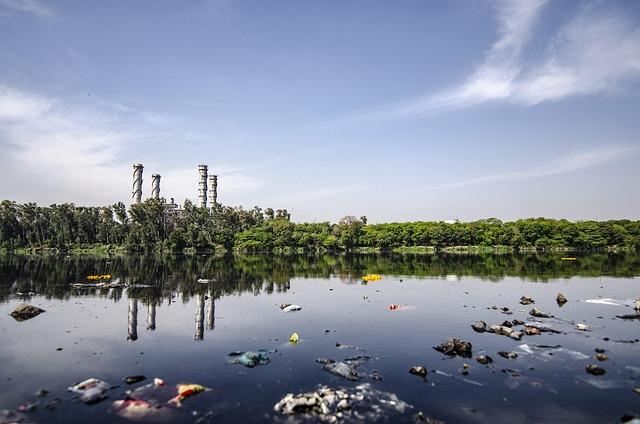
Residents of Lyon’s ‘Chemical Valley’ Seek Compensation Over PFAS Contamination
In the heart of France’s industrial landscape, the residents of Lyon’s ‘Chemical Valley’ find themselves at a crossroads in a growing environmental crisis. For years, these communities have grappled with the pervasive impacts of per- and polyfluoroalkyl substances (PFAS), a class of synthetic chemicals linked to serious health concerns. As evidence mounts regarding the contamination of soil and water sources, local residents are now mobilizing to demand accountability and compensation from the industries responsible. This unfolding situation puts a spotlight on the intersection of public health, environmental justice, and corporate responsibility, raising pressing questions about the safety of communities living in the shadows of chemical manufacturing. In this article, we delve into the residents’ struggles, the science behind PFAS, and the legal avenues they are exploring in their quest for justice.
Residents Demand Justice as PFAS Contamination Plagues Chemical Valley
Residents in Lyon’s industrial region, often referred to as “Chemical Valley,” are expressing their outrage over chronic *PFAS contamination* which they claim has severely impacted their health and the environment. Community meetings have seen an influx of concerned citizens, many sharing personal accounts of deteriorating health linked to the presence of these toxic substances. The push for justice is fueled by studies connecting PFAS exposure to both serious health risks and environmental degradation. In response to these alarming findings, local advocacy groups are rallying together to demand significant *compensation* from the responsible corporations.
As the community seeks accountability, they are presenting their case through various platforms, including legal proceedings and public protests. The primary concerns highlighted by residents include:
- Health Issues: Increased incidents of cancer and reproductive health problems.
- Environmental Damage: Contaminated water sources affecting local wildlife and agriculture.
- Community Sentiment: A pervasive sense of betrayal by industries that have long claimed to prioritize safety.
| Key Issues | Impact on Residents |
|---|---|
| PFAS Exposure | Higher rates of health problems. |
| Contaminated Water | Unsafe drinking water sources. |
| Trust Erosion | Loss of confidence in local industries. |
Health Impacts: Understanding the Risks Associated with PFAS Exposure
The residents of Lyon’s “Chemical Valley” are increasingly concerned about the potential health implications of PFAS (per- and polyfluoroalkyl substances) exposure. These man-made chemicals are known for their persistent nature and have been linked to various adverse health effects. Research indicates that individuals with high levels of PFAS in their blood may face elevated risks of:
- Kidney cancer
- Testicular cancer
- Thyroid disease
- High cholesterol
- Reproductive issues
As investigations into contamination levels continue, public health officials stress the importance of understanding the long-term impacts of these chemicals. It is essential for affected residents to seek medical advice and to remain informed about potential health screenings that can assess PFAS exposure. Local advocacy groups are demanding transparency from the authorities regarding pollution levels and are urging for comprehensive health studies to shed light on the correlation between PFAS exposure and specific health conditions.
Legal Pathways: Exploring Compensation Options for Affected Communities
In the wake of increased awareness regarding the dangers of PFAS contamination, residents of Lyon’s ‘Chemical Valley’ are mobilizing to pursue compensation for the adverse effects on their health and environment. The presence of these hazardous chemicals, often found in industrial products, has raised significant concerns among the population. Key factors driving this movement include:
- Health Risks: Residents report a rise in illnesses linked to long-term exposure to PFAS.
- Environmental Damage: Local ecosystems have suffered irreversible harm, prompting calls for government accountability.
- Legal Precedents: Successful compensation claims in other regions may serve as a model for Lyon.
As the community rallies for justice, various legal avenues are being explored to ensure that affected individuals can seek redress. Potential pathways include class-action lawsuits, direct negotiations with chemical manufacturers, and appeals to local and national government bodies. Key considerations for residents include:
| Legal Option | Pros | Cons |
|---|---|---|
| Class-Action Lawsuit | Collective bargaining power | Potentially lengthy process |
| Direct Negotiation | Faster resolutions | Uncertain outcomes |
| Government Appeals | Public support | Bureaucratic delays |
Government Accountability: The Role of Regulatory Bodies in Environmental Protection
In the wake of rising concerns over PFAS contamination in Lyon’s ‘Chemical Valley’, regulatory bodies are being called upon to act decisively. Residents affected by the hazardous chemicals are advocating for accountability and transparency from both the companies responsible and the government entities that oversee environmental regulations. The complex interplay between industry practices and regulatory oversight has come under scrutiny, as many argue that tighter controls and more robust monitoring systems could have mitigated the extent of the contamination.
The role of these regulatory bodies is crucial in enforcing environmental protection measures that safeguard public health. Community advocates are pressing for changes that would lead to:
- Stronger oversight of chemical manufacturing practices
- Increased transparency in reporting chemical usage and emissions
- Regular health assessments for residents in affected areas
- Financial compensation for those impacted by environmental negligence
As the demand for accountability grows, regulatory agencies are faced with the challenge of balancing industrial interests with the urgent need for environmental justice. The situation in Lyon serves as a stark reminder of the importance of effective regulatory frameworks in protecting both public health and the environment.
Wrapping Up
In conclusion, the ongoing plight of the residents in Lyon’s “Chemical Valley” underscores the urgent need for accountability in environmental health matters. As the community rallies for compensation due to PFAS contamination, their struggle highlights the broader implications of industrial pollution and governmental responsibilities. With mounting evidence of health risks associated with these chemicals, the call for action echoes far beyond the Rhône-Alpes region. As this situation develops, it remains crucial for authorities to address both the immediate concerns of affected residents and the systemic issues that allow such contamination to persist. The outcome of this fight will not only shape the future of Chemical Valley but also set a precedent for communities across France and beyond facing similar challenges.