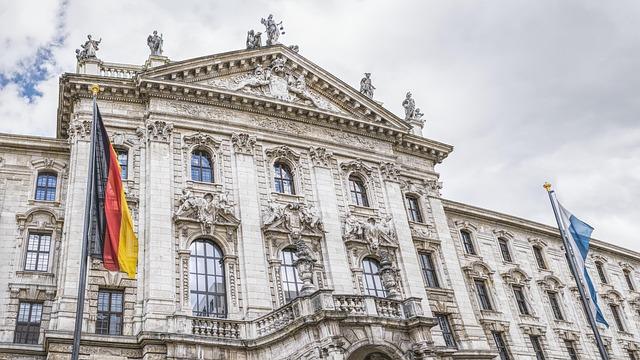
In a landmark ruling, a Paris court has found 10 individuals guilty of cyberbullying Brigitte Macron, France’s first lady. The verdict marks a significant moment in the fight against online harassment targeting public figures. The accused were charged with orchestrating a sustained campaign of abusive and defamatory messages aimed at Mrs. Macron, highlighting growing concerns over digital abuse and its legal repercussions in France. This case underscores the increasing efforts by authorities to tackle cyberbullying and protect individuals from online violence.
Court Convicts Ten Individuals in High-Profile Cyberbullying Case Against Brigitte Macron
In a landmark decision, a Paris court has handed down convictions to ten individuals involved in an extensive cyberbullying campaign targeting Brigitte Macron, the First Lady of France. The case, which captured national attention, revealed a coordinated effort to disseminate harassing and defamatory messages across multiple social media platforms. The court underscored the severity of their actions, emphasizing how such attacks disrupt public discourse and infringe on personal dignity. The convicted parties face a range of penalties including fines, suspended prison sentences, and mandatory digital conduct programs designed to discourage future offenses.
The investigation highlighted several key tactics employed by the perpetrators:
- Anonymous social media accounts: Used to evade detection while spreading harmful content
- Targeted harassment campaigns: Coordinated messaging intended to intimidate and humiliate
- Manipulation of public opinion: Attempts to sway public sentiment through false narratives
Authorities emphasized the importance of accountability in the digital age, signaling a robust stance against cyberbullying at the highest levels of society. The verdict serves as a potent reminder that online actions carry real-world consequences.
Evidence and Legal Arguments Reveal the Scope of Online Harassment Faced by France’s First Lady
Following a comprehensive investigation, the Paris court presented extensive evidence documenting the online abuse directed at Brigitte Macron. Digital forensic analyses revealed a coordinated pattern of cyberbullying, ranging from defamatory posts to explicit threats across multiple social media platforms. Testimonies from cybersecurity experts and witnesses detailed the persistent nature of these attacks, emphasizing their severe psychological impact on the First Lady. The court highlighted that such harassment not only targeted her personally but also sought to undermine the dignity of France’s highest public office.
The legal arguments brought forth underscored a broader concern about digital accountability in high-profile cases. Prosecutors argued that the defendants exploited the anonymity of the internet to perpetuate a sustained campaign of hatred, which was systematically orchestrated to silence and intimidate. The verdict reflects a notable precedent in addressing cyber harassment, sending a stern message that the law will actively protect public figures from hate speech and online violence. Key points presented include:
- Use of multiple fake accounts to spread defamatory content
- Coordination among defendants to amplify hostile messaging
- Psychological harm documented through expert reports
- Violation of France’s cybercrime statutes under digital harassment laws
| Type of Harassment | Platform Used | Legal Reference |
|---|---|---|
| Defamatory Messaging | Twitter, Facebook | Article 222-33-2-2 (French Penal Code) |
| Threatening Comments | Article 222-17 | |
| Fake Profiles | Multiple Platforms | Article 414-3 (Identity Fraud) |
Impact of Verdict on French Cyberbullying Laws and Digital Hate Speech Policies
Recommendations for Strengthening Online Protection Measures for Public Figures
Public figures, particularly those in the political spotlight like Brigitte Macron, face relentless digital harassment that demands robust defensive strategies. Implementing end-to-end encryption across all communication platforms is essential to prevent unauthorized access. Additionally, authorities and social media companies must collaborate to enhance real-time monitoring systems that flag defamatory content swiftly, minimizing its spread. Mandatory training on digital safety for public figures and their teams can bolster awareness around phishing, doxxing, and other cyber threats, empowering them to act proactively.
Legal frameworks also require significant reinforcement, especially to impose stricter penalties for online harassment and cyberbullying. A transparent reporting mechanism supported by dedicated law enforcement units ensures quicker investigations and justice. For ease of understanding, the table below highlights key protective measures and their roles in fortifying online security:
| Protective Measure | Purpose | Impact |
|---|---|---|
| End-to-End Encryption | Secure communications | Reduces data breaches |
| AI-Powered Content Moderation | Identify harmful posts | Limits exposure to hate speech |
| Legal Enforcement Units | Investigate cyberbullying | Accelerates prosecution |
| Digital Safety Training | Educate on risks | Strengthens preventive behavior |
To Wrap It Up
The convictions mark a significant stance by the French judiciary against online harassment targeting public figures, underscoring the growing importance of combating cyberbullying in the digital age. As France’s first lady, Brigitte Macron’s case highlights the challenges faced by individuals in the public eye and sets a precedent aimed at deterring similar offenses in the future. Authorities continue to emphasize the need for vigilance and stricter measures to ensure accountability and protect citizens from abuse on the internet.