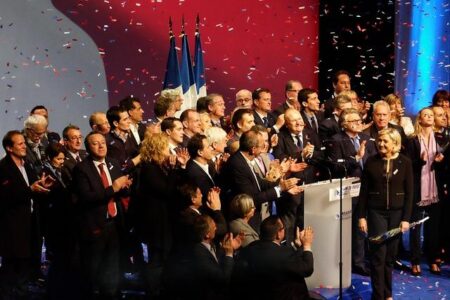
As France gears up for its 2027 presidential election, the political landscape is already buzzing with activity, turning speculation into a dynamic race that has captured the attention of citizens and analysts alike. With an array of candidates positioning themselves and emerging factions vying for influence, the contest promises to be one of the most closely watched in recent memory. Key issues, from economic reform to immigration, are dominating discussions, setting the stage for a heated and transformative electoral cycle. As the nation inches closer to casting its votes, the strategies and alignments forming now could significantly reshape France’s future.
France’s 2027 Presidential Election Candidates Begin to Take Shape
As the political landscape in France begins to solidify for the upcoming presidential election, potential candidates are making their intentions known and testing the waters for support. While some familiar faces have announced their candidacies, new contenders are emerging, each bringing their distinct platforms to the table. Key figures so far include:
- Élisabeth Borne – Currently serving as Prime Minister, Borne is expected to leverage her government experience.
- Marine Le Pen – The leader of the National Rally, Le Pen aims to capitalize on her previous strong voter base.
- Jean-Luc Mélenchon – A veteran leftist, Mélenchon will likely appeal to progressive voters disillusioned with traditional parties.
- Gérald Darmanin – The Interior Minister is positioning himself as a candidate for the right, emphasizing security and immigration policies.
With debates already heating up, the candidates are outlining their stances on pressing issues such as economic reform, climate change, and immigration. Party coalitions are also expected to play a significant role as various factions attempt to rally support and consolidate power. A preliminary assessment of the candidates reveals various strategies aimed to capture the electorate’s attention:
| Candidate | Main Focus | Strengths |
|---|---|---|
| Élisabeth Borne | Government reform | Experience in leadership |
| Marine Le Pen | Nationalism | Strong voter base |
| Jean-Luc Mélenchon | Progressive policies | Appeal to youth |
| Gérald Darmanin | Security | Government connections |
Key Issues Dominating the Early Campaign Landscape
The early stages of France’s 2027 presidential election race are already revealing a complex tapestry of challenges that candidates must navigate. The political landscape is sharply divided, with economic concerns taking center stage as inflation continues to affect household budgets. Additionally, the implications of climate change policies are igniting passionate debates, especially among younger voters who are increasingly prioritizing environmental sustainability. As these issues unfold, candidates are facing pressure to present coherent plans that resonate with disparate voter demographics.
In addition to economic and environmental issues, national security and immigration policy remain critical points of contention. Rising tensions in the region prompt candidates to clarify their stances on defense spending and international alliances. Moreover, the integration of public safety and community cohesion reflects a growing anxiety among voters regarding crime rates and local governance. Below is a snapshot of key issues currently shaping the dialogue:
| Issue | Candidate Position |
|---|---|
| Economic Reform | Focus on job creation and tax incentives. |
| Climate Action | Commitment to achieving net-zero emissions by 2040. |
| National Security | Strengthen military capabilities and increase funding. |
| Immigration | Revamp policies to balance security and humanitarian needs. |
Voter Sentiment and Engagement Strategies Ahead of the Polls
The upcoming presidential election in France has sparked a surge of voter sentiment that political candidates can no longer afford to overlook. With public interest intensifying, candidates are employing a variety of engagement strategies to connect with constituents. Among the most effective methods being implemented are:
- Grassroots Campaigning: Mobilizing local activists to resonate with community issues.
- Social Media Outreach: Utilizing platforms to communicate directly and dynamically with voters.
- Town Hall Meetings: Facilitating face-to-face conversations to build trust and transparency.
Voters are increasingly expecting more from their candidates, urging them to address pressing matters such as climate change, economic recovery, and social equality. To better gauge public sentiment, organizations are employing polling tools and focus groups, resulting in the following insights:
| Issue | Voter Priority (%) |
|---|---|
| Climate Change | 34% |
| Economic Recovery | 29% |
| Social Equality | 25% |
| Healthcare Reform | 12% |
Understanding these priorities is paramount for any candidate aiming to secure support as the elections approach. Leveraging this data not only informs campaign messages but also shapes policy proposals that resonate deeply with the electorate.
Implications of Early Endorsements on the Election Outcome
The early endorsements from influential figures and organizations can significantly shape the trajectory of France’s 2027 presidential election. Such endorsements often serve as a catalyst for momentum, providing candidates with not just visibility but also a validation of their positions. They can attract a wider base of supporters and, importantly, can influence undecided voters by lending credibility to a candidate’s campaign. Notable influences include:
- Media Coverage: Candidates backed by prominent figures are likely to receive more extensive media attention.
- Fundraising Boost: Early endorsements often lead to increased donations, as backers feel more confident in their chosen candidate.
- Mobilization of Supporters: Endorsements can galvanize a candidate’s base and drive voter engagement effectively.
Moreover, early endorsements can create a ripple effect, encouraging other political figures or organizations to align with a candidate. This can lead to the formation of potent coalitions that not only solidify a candidate’s stance but may also deter potential challengers from entering the race. The table below illustrates key endorsements and their potential impact on candidate policies:
| Candidate | Endorser | Impact on Policy Direction |
|---|---|---|
| Candidate A | Prominent Politician 1 | Shift towards more progressive policies |
| Candidate B | Industry Association | Emphasis on economic growth strategies |
As the election approaches, the strategic implications of these early endorsements cannot be underestimated, as they play a crucial role in shaping public perception and candidate viability in a competitive political landscape.
Future Outlook
As the political landscape in France continues to evolve, the 2027 presidential election race is shaping up to be a pivotal moment for the nation. With potential candidates already positioning themselves and public sentiment shifting, the coming months will be crucial for both established politicians and newcomers alike. Voter engagement remains a key focus, as the electorate grapples with pressing issues such as economic stability, social justice, and climate change. As the debates intensify and allegiances form, all eyes will be on France to see who will emerge as a viable contender in this dynamic political arena. The stage is set, and the stakes could not be higher as the nation prepares for what promises to be a consequential election. Stay tuned as we continue to monitor developments in this unfolding story.