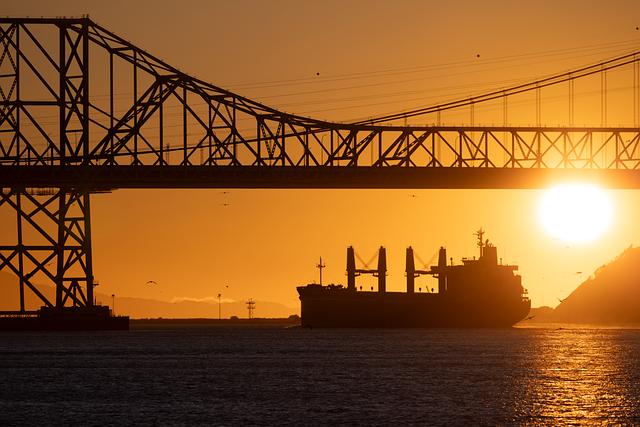
French authorities have taken into custody the captain of a tanker suspected of operating as a Russian shadow vessel, intensifying scrutiny over covert maritime activities linked to Russia. The detention comes amid ongoing international efforts to enforce sanctions and monitor illicit shipping practices. The tanker, reportedly involved in shadow trading, has drawn significant attention as global powers seek to clamp down on opaque fuel shipments circumventing regulatory oversight. This development marks a notable escalation in France’s commitment to maritime law enforcement and the broader geopolitical tensions surrounding energy resources.
Captain of Suspected Russian Shadow Tanker Detained by French Authorities
The French authorities have taken a decisive legal step by detaining the captain of a tanker allegedly operated under the shadow of Russian interests. This action marks a significant development within international maritime security efforts, particularly concerning vessels suspected of evading sanctions and engaging in clandestine operations at sea. Officials assert that the tanker was linked to discreet oil shipments believed to bypass international restrictions, raising concerns over the enforcement of global trade regulations.
Key aspects of the case emphasize the complexity and international coordination involved in such operations, including:
- Multinational Investigations: Cooperation between France, the UK, and EU border agencies.
- Sanction Evasion Tactics: Use of obscure shipping routes and falsified registry documents.
- Implications for Energy Markets: Potential impact on global oil supply chains and market stability.
| Detail | Status |
|---|---|
| Detention Location | Port of Marseille |
| Captain’s Nationality | Undisclosed |
| Vessel Type | Oil Tanker (Shadow Fleet) |
| Investigating Body | French Customs & Maritime Police |
Investigation Reveals Potential Links to Sanctions Evasion and Illicit Oil Trade
Authorities have intensified scrutiny over the vessel suspected to be engaged in sanctions evasion, with the captain now in French custody under allegations connected to illicit oil trading activities. Intelligence sources suggest the tanker’s voyages were strategically routed to circumvent international embargoes, raising concerns about a broader network facilitating the underground sale of sanctioned crude oil. This probe not only highlights the gaps exploited in global maritime regulations but also underscores the challenges faced in enforcing compliance on high seas.
Key factors identified in the investigation include:
- Use of ship-to-ship transfers to obscure cargo origin and destination.
- Manipulation of vessel tracking data through “dark shipping” tactics.
- Connections to shadow companies registered in multiple offshore jurisdictions.
| Aspect | Evidence | Implications |
|---|---|---|
| Tracking Anomalies | Frequent AIS signal gaps | Covering unauthorized oil transfers |
| Ownership Structure | Multiple shell companies | Funding conduit for illicit trade |
| Port Activity | Unregistered dockings | Undisclosed cargo handling |
Experts Urge Enhanced Maritime Surveillance and Stronger International Cooperation
In the wake of the recent detention of a suspected Russian shadow tanker captain by French authorities, maritime security experts are calling for a significant overhaul of monitoring systems across international waters. Increased deployment of cutting-edge technologies such as satellite tracking, automatic identification systems (AIS), and unmanned aerial vehicles (UAVs) is being recommended to detect and deter illicit maritime activities more effectively. Experts emphasize that without real-time, accurate data exchange, the risk of illegal shipments, including sanctioned goods, continues to jeopardize global security frameworks.
Alongside technological advancements, enhanced international cooperation remains paramount. Security analysts suggest establishing a unified multinational task force leveraging intelligence sharing, joint naval patrols, and standard protocols for vessel inspections. Such efforts could be structured around the following strategic priorities:
- Harmonization of maritime laws to close legal loopholes exploited by shadow fleets.
- Regular diplomatic dialogues to reinforce commitments and share intelligence swiftly.
- Coordinated sanctions enforcement targeting entities supporting covert operations.
| Measure | Purpose | Expected Outcome |
|---|---|---|
| Satellite Surveillance | Continuous vessel tracking | Early identification of suspicious movements |
| Joint Naval Exercises | Interoperability testing | Improved rapid response capability |
| Information Sharing Platforms | Real-time data exchange | Enhanced situational awareness |
Calls for Stricter Enforcement of Shipping Regulations Amid Rising Geopolitical Tensions
Global shipping authorities and international regulators are intensifying calls for more stringent oversight following the recent detainment of a suspected Russian shadow tanker captain by French authorities. This high-profile incident has highlighted glaring vulnerabilities in maritime operations, especially as geopolitical tensions escalate. Experts advocate for the implementation of robust verification protocols and enhanced tracking technologies to curb illicit shipping practices that may contribute to destabilizing regional security or breaching sanctions.
Industry analysts stress the urgent need for coordinated enforcement measures among coastal states to close loopholes exploited by vessels operating under flagged states with lax regulations. Below is a summary of key regulatory gaps identified during recent investigations:
| Regulatory Area | Current Challenge | Proposed Solution |
|---|---|---|
| Flag State Oversight | Inadequate vessel registration checks | Standardize global flag verification system |
| Maritime Tracking | Manipulation of AIS signals | Mandate continuous real-time monitoring with encrypted signals |
| Sanctions Compliance | Challenges in enforcing trade embargoes | Strengthen interagency intelligence sharing |
- Enhanced vessel scrutiny at ports of call
- Improved international cooperation for early detection of suspicious activities
- Regular audits and penalties for non-compliant shipowners
Insights and Conclusions
The detention of the captain marks a significant development in the ongoing investigation into the activities of suspected shadow tankers linked to Russia. As French authorities continue to scrutinize the vessel and its operations, the case underscores the heightened scrutiny of maritime activities amid geopolitical tensions. Further updates are expected as the investigation unfolds.