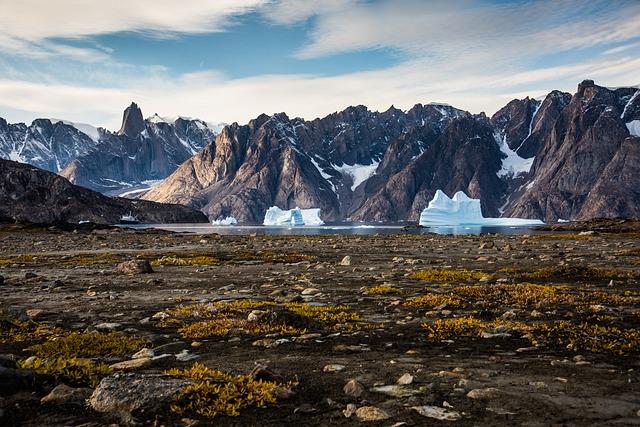
Canada and France have officially opened new consulates in Greenland, marking a significant development in the Arctic region’s geopolitical landscape. The move underscores increasing international interest in Greenland’s strategic location and abundant natural resources. Both countries aim to strengthen diplomatic ties, enhance cooperation on environmental and economic issues, and assert their presence amid growing attention from global powers. The consulate openings were reported by NHK, highlighting the evolving dynamics in Arctic affairs.
Canada and France Expand Diplomatic Presence with New Consulates in Greenland
Both Canada and France have taken significant steps to deepen their engagement with Greenland by inaugurating new consulates on the island. This strategic move highlights the growing geopolitical and economic interest in the Arctic region, driven by its vast untapped natural resources and emerging shipping routes due to climate change. These consulates will play a pivotal role in facilitating diplomatic relations, boosting economic cooperation, and strengthening cultural ties with Greenlandic authorities and communities.
The consulates are expected to focus on several key areas:
- Environmental collaboration: Addressing Arctic climate challenges and sustainable development.
- Trade and investment: Promoting mining, fisheries, and tourism sectors.
- Security partnerships: Enhancing dialogue on Arctic security and maritime safety.
This expansion of diplomatic presence reflects a broader international recognition of Greenland’s strategic importance in global affairs, marking a new chapter in Arctic diplomacy.
| Country | Location of Consulate | Key Focus Areas |
|---|---|---|
| Canada | Nuuk | Resource development, environmental protection |
| France | Ilulissat | Scientific research, cultural exchange |
Strategic Implications for Arctic Sovereignty and International Relations
The establishment of Canadian and French consulates in Greenland marks a significant development in the geopolitical landscape of the Arctic region. As global warming accelerates ice melt, new shipping routes and resource extraction opportunities are emerging, intensifying competition among Arctic and non-Arctic states. The increased diplomatic presence underscores these nations’ strategic intent to strengthen influence and safeguard interests amid evolving territorial claims and economic prospects. Greenland, with its vast untapped natural wealth and pivotal geographic location, is rapidly becoming a focal point for sovereignty debates and international negotiations.
Key strategic implications include:
- Enhanced bilateral relations with Greenland’s government and indigenous communities, increasing leverage in policymaking.
- Boosted military and scientific cooperation in Arctic security and environmental monitoring.
- Heightened competition for access to critical shipping lanes such as the Northwest Passage and the Arctic Ocean.
- Greater presence enabling participation in multilateral Arctic forums, influencing regional governance frameworks.
| Country | Primary Strategic Interest | Potential Collaboration Areas |
|---|---|---|
| Canada | Control over Northwest Passage shipping routes | Environment, Indigenous Rights, Security |
| France | Scientific research and Arctic resource access | Climate Science, Technology Sharing, Maritime Law |
| Greenland | Economic development and international partnerships | Mining, Infrastructure, Cultural Exchange |
Economic and Environmental Opportunities Driving Consulate Establishments
Establishing consulates in Greenland represents a strategic move by Canada and France to strengthen their foothold in a region marked by unprecedented economic potential and environmental significance. The Arctic’s thawing ice is not only opening new maritime routes but also unveiling vast mineral and energy resources that are critical to global markets. Through these diplomatic outposts, both nations aim to facilitate trade partnerships, promote sustainable resource extraction, and support scientific collaborations aimed at monitoring climate change impacts firsthand.
These consulates also underscore a shared commitment to environmental stewardship in a fragile ecosystem. They will enhance cooperation on conservation initiatives, indigenous community engagement, and green technology development. The move highlights how geopolitical interests merge with ecological responsibilities, positioning Greenland as a pivotal hub where economic progress and environmental vigilance converge.
- Facilitating sustainable investment in mining and energy sectors
- Enhancing Arctic research collaboration for climate resilience
- Supporting local indigenous communities through socio-economic programs
- Promoting environmental diplomacy to safeguard fragile habitats
| Opportunity | Benefit | Focus |
|---|---|---|
| Arctic Shipping Routes | Reduced transit times | Trade & Logistics |
| Rare Earth Minerals | Strategic resource access | Economy & Industry |
| Climate Research | Enhanced environmental policies | Science & Conservation |
| Indigenous Partnerships | Cultural and social inclusion | Community Development |
Policy Recommendations for Enhancing Collaborative Arctic Governance
In light of recent diplomatic expansions in Greenland, strengthening frameworks for Arctic cooperation is imperative. Prioritizing inclusive multilateral engagement that respects the sovereignty and traditional knowledge of Arctic Indigenous communities is essential. This approach should foster sustainable development while mitigating geopolitical tensions. Governments and stakeholders must establish clear protocols on areas like environmental protection, resource management, and emergency response, ensuring that shared interests do not compromise local ecosystems or cultural heritage.
To operationalize these goals, several strategic measures are recommended:
- Creation of a permanent Arctic coordination council with representatives from Arctic nations and Indigenous groups to facilitate real-time dialogue and conflict resolution.
- Standardization of scientific data sharing to enhance environmental monitoring and climate change adaptation strategies across jurisdictions.
- Investment in joint infrastructure projects that improve connectivity and disaster preparedness, leveraging the strategic presence of new consulates.
- Development of educational exchange programs aimed at cultivating Arctic expertise and cross-cultural understanding among younger generations.
| Recommendation | Primary Benefit |
|---|---|
| Permanent Arctic Coordination Council | Stronger diplomatic collaboration and conflict mitigation |
| Scientific Data Sharing Protocols | Improved environmental resilience and policy-making |
| Joint Infrastructure Investment | Enhanced connectivity and disaster responsiveness |
| Educational Exchange Programs | Expanded Arctic expertise and intercultural dialogue |
In Summary
The opening of Canadian and French consulates in Greenland marks a significant development in the Arctic region’s geopolitical landscape. As both nations seek to strengthen their presence and cooperation in this strategically important area, the move highlights the growing international interest in Greenland’s resources and its role in global affairs. The consulates are expected to enhance diplomatic relations, promote economic partnerships, and support scientific collaboration in the years ahead. This expansion of diplomatic representation underscores Greenland’s rising importance on the world stage and signals a new chapter in Arctic diplomacy.