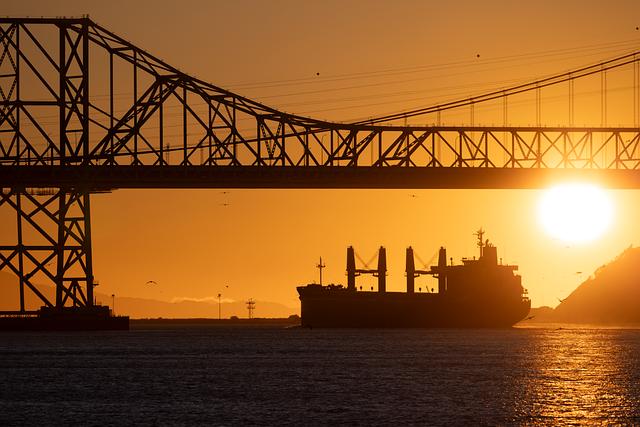
Sanctions-Suspect Tanker “Grinch” En Route from Russia to Marseille Amidst Ongoing Tensions
In a development raising eyebrows among international observers, the oil tanker “Grinch,” flagged under suspicious circumstances, has made its way from Russian waters to the French port of Marseille. This move occurs amid heightened scrutiny surrounding sanctions imposed on Russia following its ongoing conflicts. The vessel’s journey has sparked concerns over its compliance with international maritime regulations and the implications for global oil markets. As countries continue to grapple with the impacts of sanctions, the arrival of the “Grinch” in one of Europe’s major ports serves as a pivotal moment, potentially highlighting loopholes in enforcement mechanisms and the complexities of navigating geopolitical tensions in the maritime domain.
Sanctions Implications for Grinch’s Voyage from Russia to Marseille
The recent journey of the tanker Grinch, suspected of breaching international sanctions, has raised significant eyebrows within maritime and regulatory circles. As the ship navigates from Russia to Marseille, a hub for global commerce, implications abound. Authorities are particularly concerned about the potential for circumventing existing sanctions aimed at curbing Russian oil exports. Analysts suggest that the voyage may not only defy legal stipulations but also exacerbate geopolitical tensions in a region heavily influenced by the energy crisis.
Key factors influencing the situation include:
- Economic Impact: The ongoing sanctions are designed to limit revenue streams for the Russian state, with oil being a primary source of income.
- Legal Ramifications: If found in violation, the stakeholders behind the Grinch could face severe penalties, including fines and blacklisting.
- Environmental Concerns: Transporting oil across international waters raises questions about potential spills and ecological damage, particularly near sensitive marine environments.
Investigating the Ownership Structure of the Grinch Tanker
The Grinch Tanker, currently docked in Marseille, has garnered attention due to its contentious ownership structure, which raises questions about its operational history and potential links to sanctioned entities. A recent investigation revealed that the vessel is linked to a network of shell companies, primarily based in offshore jurisdictions. This intricate web is designed to obscure true ownership and facilitate maritime activities that may contravene international sanctions, particularly those targeting Russian entities following the ongoing geopolitical tensions.
Information gathered from maritime tracking services indicates the following key points concerning the ownership of the Grinch Tanker:
- Registered Owner: Unknown, masked by multiple layers of corporate entities.
- Beneficial Ownership: Allegations suggest connections to individuals implicated in sanctions evasion.
- Previous Ports of Call: Predominantly Russian ports, pointing to a possible nexus with Russian oil trade.
| Entity Type | Jurisdiction |
|---|---|
| Shell Company | British Virgin Islands |
| Trading Firm | Cyprus |
| Shipping Company | Panama |
Regulatory bodies and maritime security experts are now scrutinizing the Grinch Tanker for compliance with international maritime law. Given its questionable ownership and the potential for illicit activities, this vessel serves as a key case study in the broader fight against sanctions evasion in the shipping industry.
Marseille’s Response: Local Authorities Address Sanctions Violations
Local authorities in Marseille have swiftly initiated measures in response to the recent docking of the tanker Grinch, which is suspected of violating international sanctions linked to its Russian operations. The Maritime Prefecture of the Mediterranean confirmed that they are launching an investigation to fully assess the compliance of the vessel with current regulations. Officials have emphasized their commitment to maintaining maritime integrity and enforcing sanctions effectively. In a statement, they outlined their approach as follows:
- Immediate Inspection: A thorough examination of the tanker and its cargo.
- Collaboration with Authorities: Working alongside customs and international agencies to gather intelligence.
- Legal Repercussions: Preparing potential penalties for those found in violation of any laws.
The response from local authorities reflects growing concerns about maritime activities linked to Russia, particularly in light of ongoing geopolitical tensions. Officials reiterated that Marseille remains committed to upholding international laws and ensuring that any activities contributing to sanctions violations do not go unchecked. They have also indicated plans to engage with the shipping industry to promote awareness and compliance with sanction regulations, fostering a collective effort towards securing the maritime domain.
| Key Actions | Details |
|---|---|
| Inspection Frequency | Increased checks on vessels arriving from high-risk areas. |
| Collaboration Networks | Establishing partnerships with European coastal nations. |
| Public Awareness | Launching campaigns to educate businesses on sanctions. |
Recommendations for Strengthening Maritime Sanction Enforcement in Europe
To enhance the efficacy of maritime sanction enforcement across Europe, several strategies should be prioritized. First, improving inter-agency cooperation is crucial. Increased information sharing between national maritime authorities, customs agencies, and intelligence services can create a more comprehensive understanding of potential sanction violations. This could involve the establishment of a centralized database that tracks vessels suspected of engaging in prohibited activities. Furthermore, enhancing technological capabilities, such as using satellite surveillance and real-time tracking systems, can aid in instant identification and monitoring of sanction-suspect vessels.
Secondly, strengthening legal frameworks is essential for deterring violations. European nations should consider harmonizing regulations related to maritime sanctions to ensure uniformity and effectiveness across borders. This includes enacting stricter penalties for non-compliance and collaborating internationally to enforce existing sanctions. Additionally, increased training for enforcement personnel on recognizing and prosecuting sanction-related crimes can bolster the enforcement landscape. A multi-faceted approach that includes robust legal measures and operational readiness will significantly contribute to the integrity of maritime sanctions.
In Conclusion
In conclusion, the recent arrival of the sanctions-suspect tanker, the Grinch, in Marseille underscores the ongoing challenges in enforcing international maritime regulations regarding Russian oil exports. As authorities continue to scrutinize the vessel’s activities, this incident not only highlights the complexities of global sanctions but also raises questions about compliance and accountability in the shipping industry. With geopolitical tensions at play, the outcome of this situation could have significant implications for both European energy security and international relations with Russia. As developments unfold, the focus will undoubtedly remain on the rigorous enforcement of sanctions, the transparency of shipping practices, and the broader impacts on the global economy.